
Exciting new series on “Voice, Body and Movement for Lawyers – How to connect with the jury and find Justice Through Dramatic Technique!”
Click here to find out more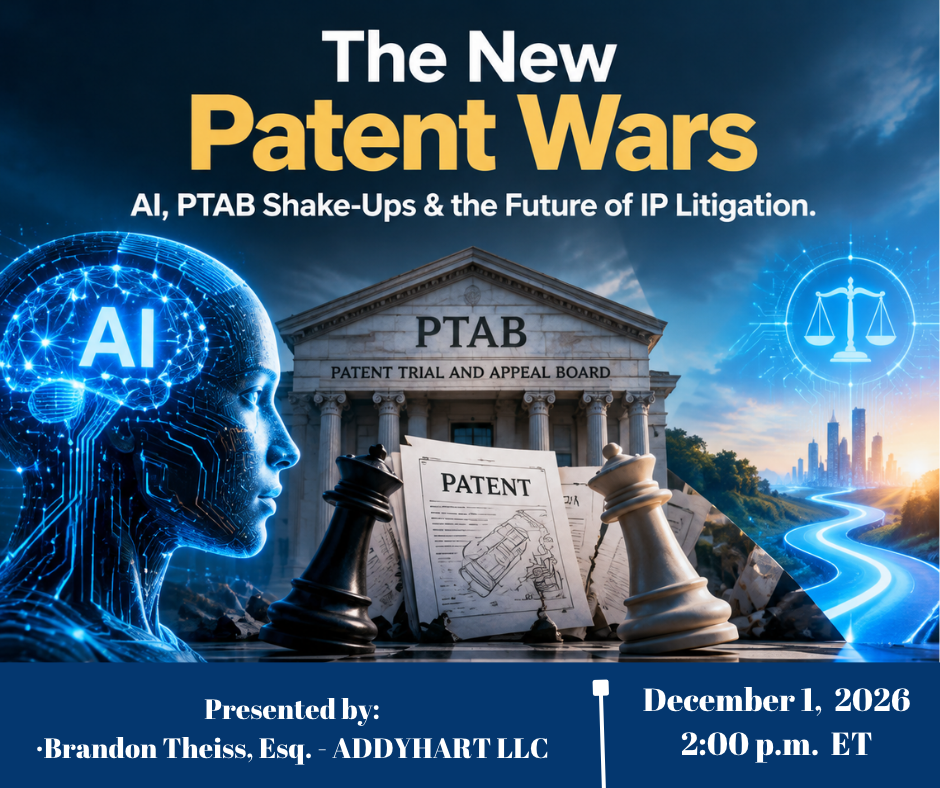
Artificial intelligence is reshaping the strategy and economics of patent litigation, from locating prior art to preparing expert testimony and setting litigation budgets.
This program examines how AI-assisted searches can make previously overlooked patents and printed publications easier to locate and evaluate for potential ex parte reexamination requests; how testifying experts’ use of generative AI raises questions about verification, disclosure, discovery, and the reliability of their opinions; and how anticipated AI efficiencies are creating downward pressure on litigation pricing and client budgets. Attendees will learn to assess whether AI-identified prior art supports a reexamination strategy, evaluate and challenge generative AI use in expert reports and testimony, and identify opportunities to adjust staffing, fees, and budgets while preserving the quality of legal work and expert analysis.
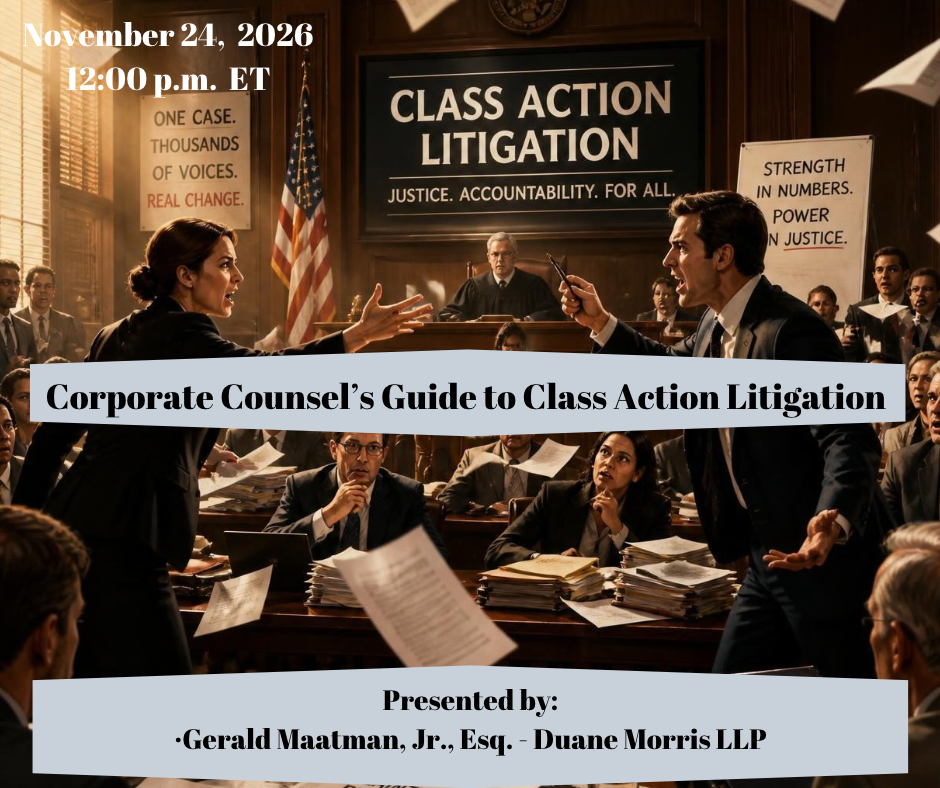
Class action litigation continues to expand in both number of filings and monetary exposure, with se...

During this course you will learn about the Federal Firearm Rights Restoration program and the Feder...

I was wrongfully separated from the military and I will get no military pay and disability retiremen...
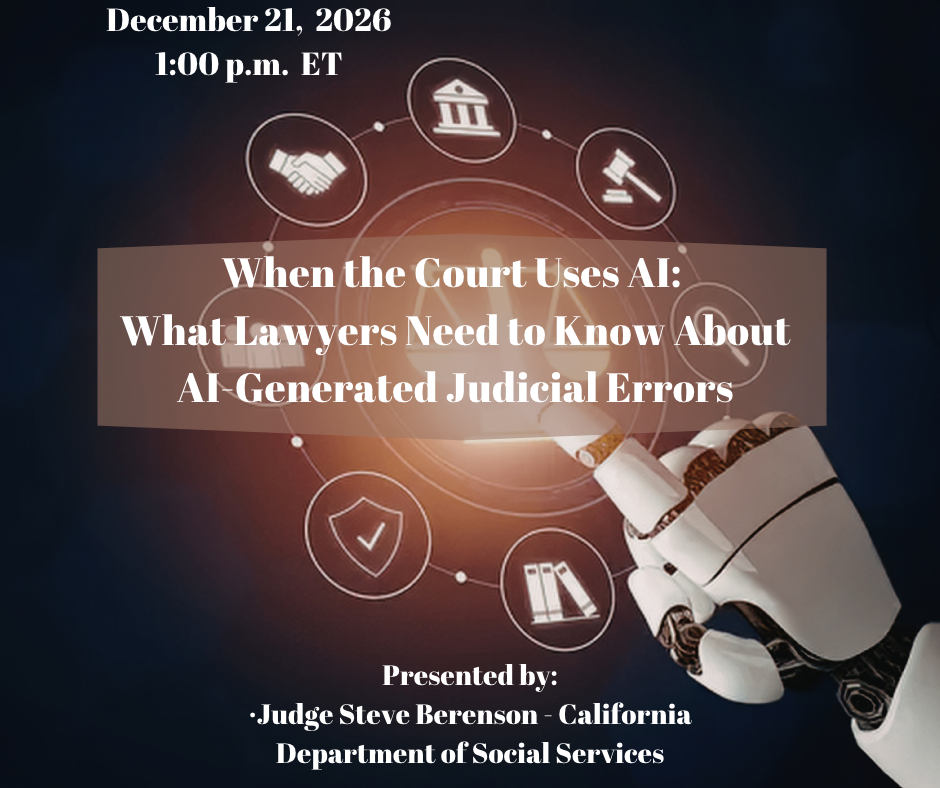
Most lawyers are aware of the high-profile cases in which attorneys were sanctioned or otherwise dis...
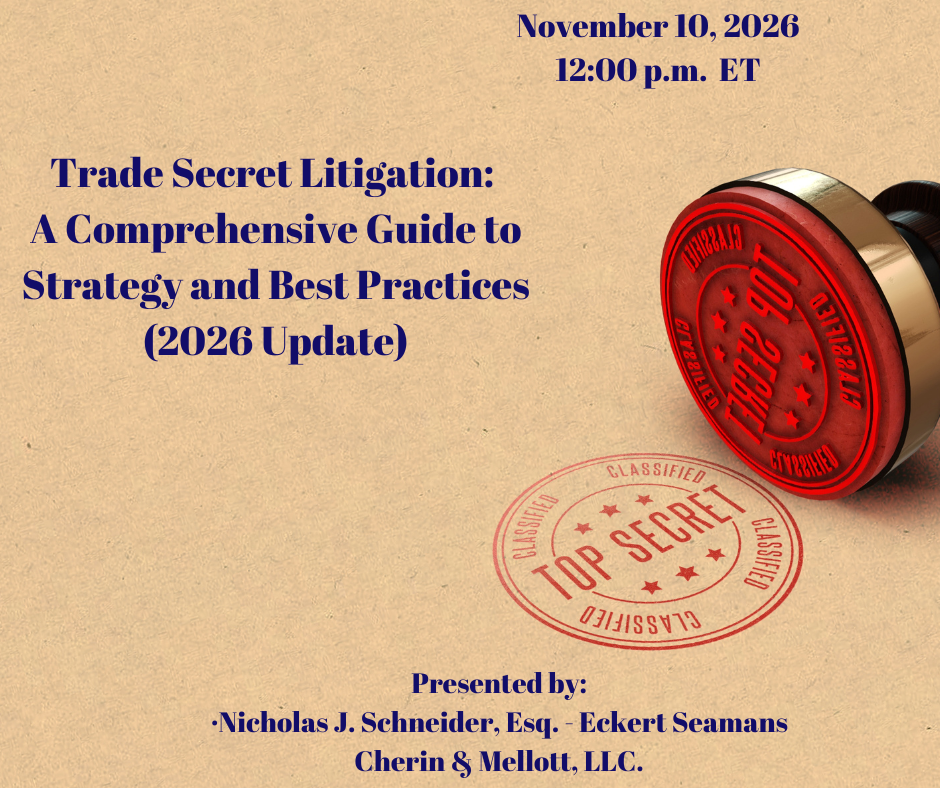
This course on trade secrets litigation provides real-world best practices through all key stages of...
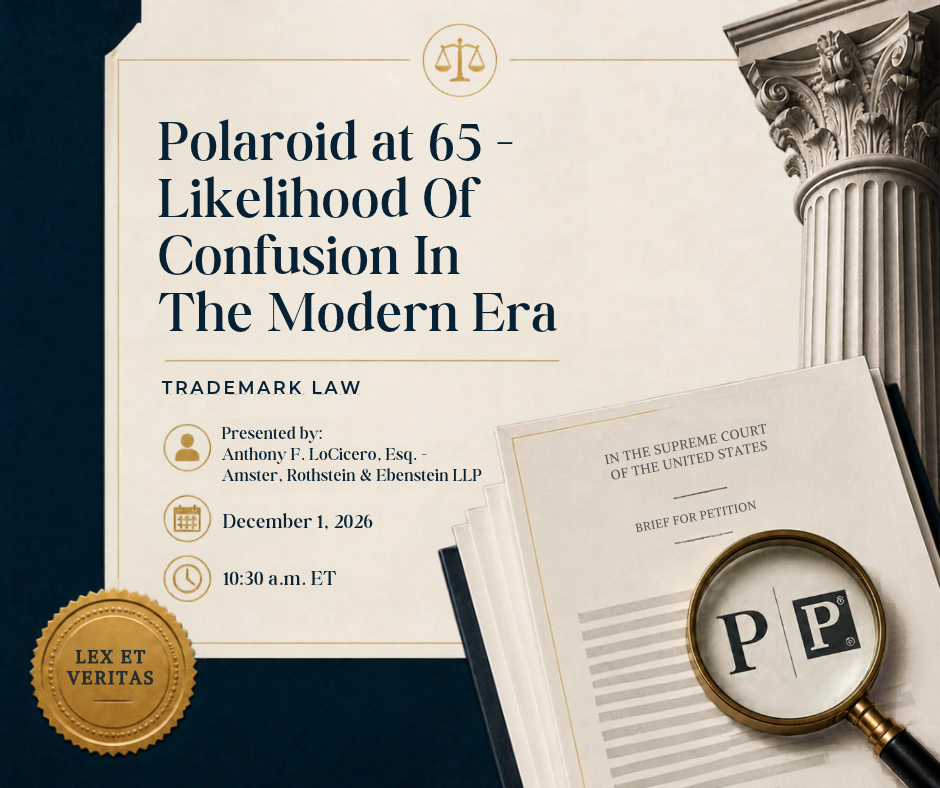
This program examines the legal standards and factors courts throughout the United States apply when...

As the largest purchaser of goods and services in the world, the United States Government requires f...
Class action waivers in arbitration agreements remain enforceable, but a decade of U.S. Supreme Cour...
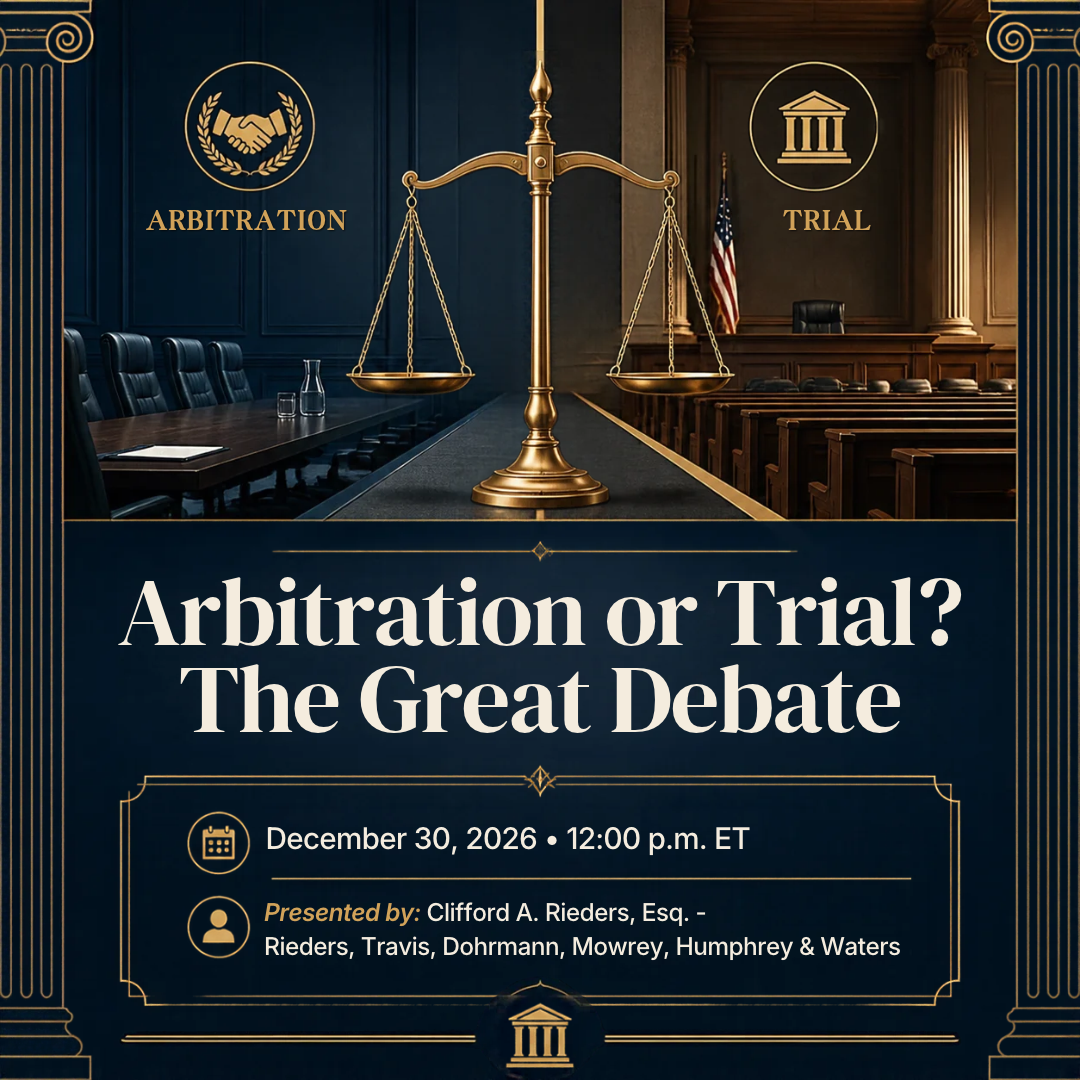
This program examines the scope, jurisdiction, and exceptions to the Federal Arbitration Act (FAA), ...
Conducting an internal investigation that is incisive, effective and legally compliant is tough enou...