
Exciting new series on “Voice, Body and Movement for Lawyers – How to connect with the jury and find Justice Through Dramatic Technique!”
Click here to find out more
The American bar Association Model Rules of Professional Conduct serve as models for the ethics rules of most jurisdictions. Given that they have been adopted in whole or in part in nearly every jurisdiction, why is Model Rule 8.4(g) so controversial and why have so few states enacted it?
Join Bernard S. Burk, Veronica J. Finkelstein, and Nancy B. Rapoport to learn what this rule is designed to address, how it has been implemented in various jurisdictions, the legal challenges to the rule, and why some type of diversity, equity, and inclusion requirement might be appropriate for the legal profession.
Class action waivers in arbitration agreements remain enforceable, but a decade of U.S. Supreme Cour...
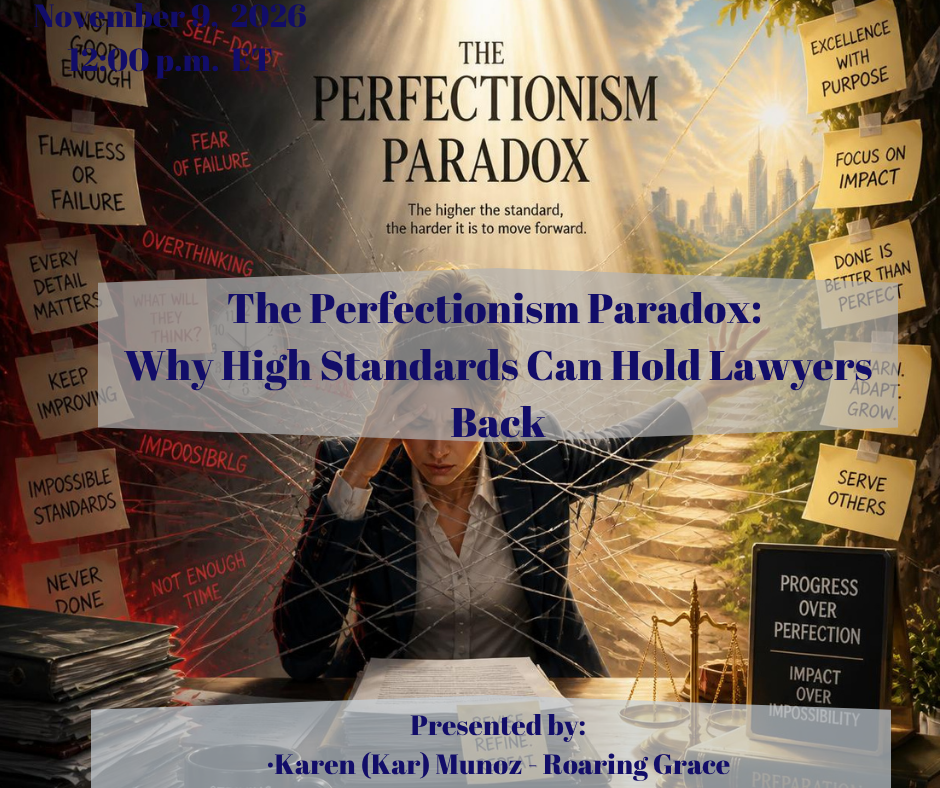
Perfectionism is often rewarded in the legal profession. It drives attention to detail, thorough pre...
This course on trade secrets litigation provides real-world best practices through all key stages of...

Turn decades of client relationships into lasting equity. This practical CLE shows attorneys how to ...

I was wrongfully separated from the military and I will get no military pay and disability retiremen...
This seminar concerns a scope, jurisdiction, and exceptions to the Federal Arbitration Act. The Act ...
Class action litigation continues to expand in both number of filings and monetary exposure, with se...
During this course you will take a deep dive into federal bid protest litigation at the U.S. Court o...
As the largest purchaser of goods and services in the world, the United States Government requires f...

This program provides trial attorneys with a thorough grounding in the three principal currency repo...