
Exciting new series on “Voice, Body and Movement for Lawyers – How to connect with the jury and find Justice Through Dramatic Technique!”
Click here to find out more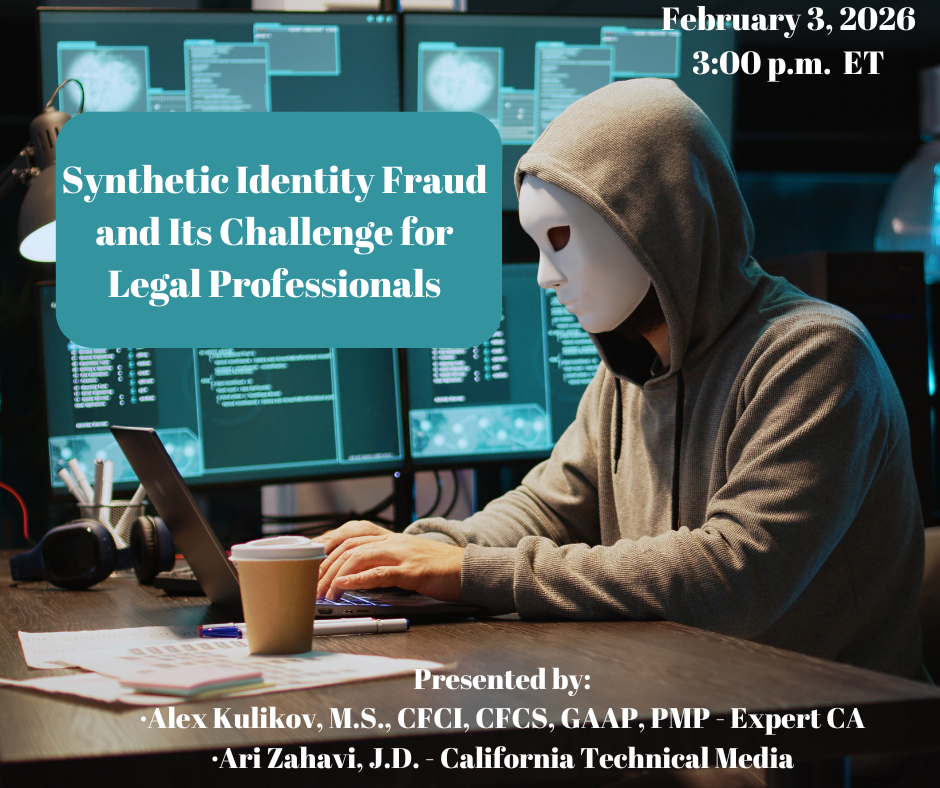
Synthetic identity fraud creates a significant legal and compliance challenge for professionals by complicating identity verification, increasing liability, and necessitating new strategies to combat fraud and maintain regulatory compliance. Legal teams must adapt to this evolving threat by strengthening fraud policies, ensuring compliance with privacy laws, and developing internal processes to detect and manage synthetic IDs to prevent both financial and legal repercussions. In this program, we will look at the nature of synthetic identity fraud and address the key challenges and roles for legal professionals.

This program provides a detailed examination of the Black Market Peso Exchange (BMPE), one of the mo...
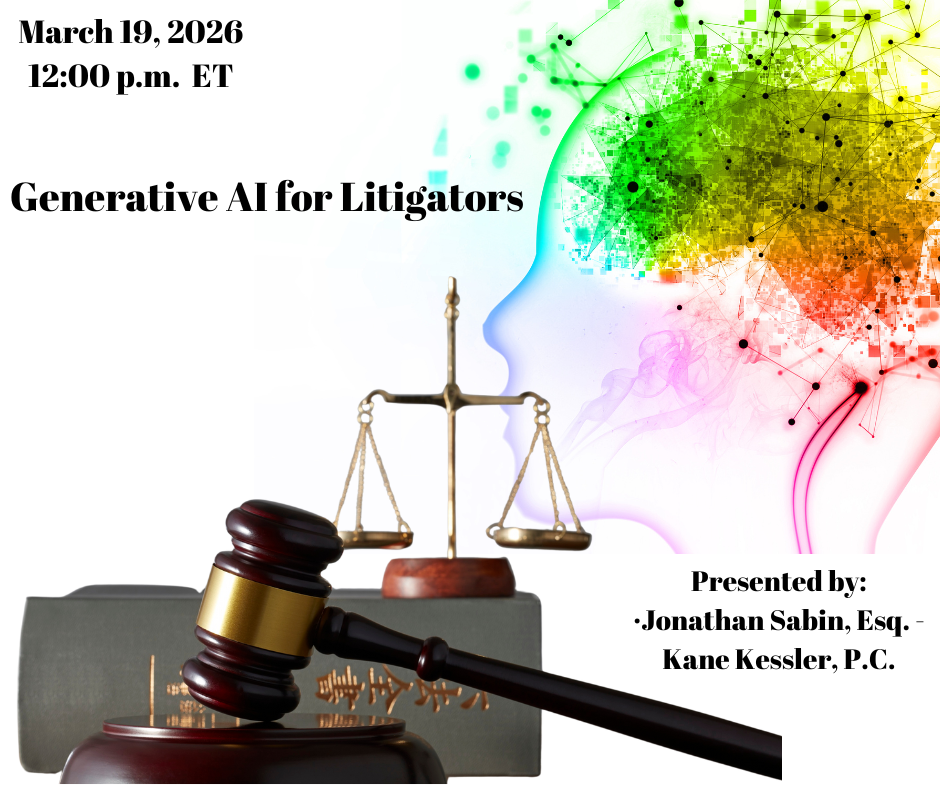
Explore the transformative potential of generative AI in modern litigation. “Generative AI for...
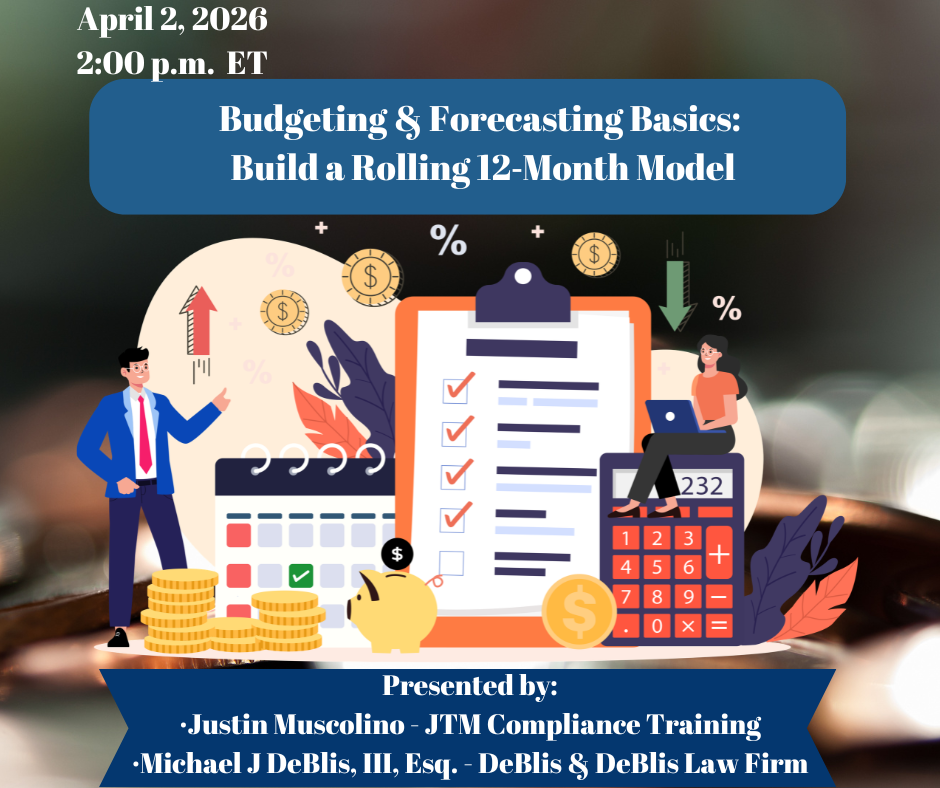
This CLE session introduces attorneys to budgeting and forecasting concepts used in corporate planni...
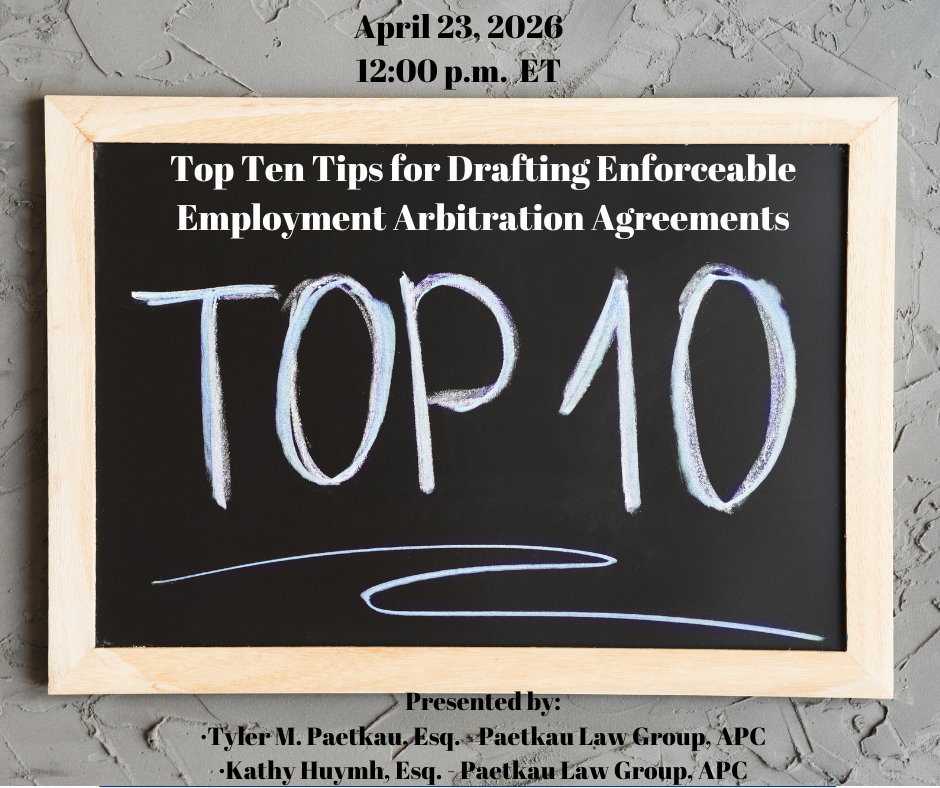
In the rapidly evolving landscape of employment law, arbitration agreements have become a cornerston...

The landscape of global finance is undergoing a seismic shift as traditional assets migrate to the b...
In “Choosing the Right Business Entity,” I will walk through the issues that matter most...
Part 2 - This program will continue the discussion from Part 1 focusing specifically on cross?examin...
Attorneys will receive a comparative analysis of GAAP and IFRS with emphasis on cross-border legal c...

Attorneys are judged every time they speak—in client meetings, depositions, hearings, negotiat...
This advanced CLE dives into complex GAAP topics relevant to attorneys advising corporate, regulator...