
Exciting new series on “Voice, Body and Movement for Lawyers – How to connect with the jury and find Justice Through Dramatic Technique!”
Click here to find out more
This program will help attorneys understand and advise their clients concerning website accessibility litigation. Attendees will learn what it means for a website to be accessible, understand the federal and some of the state laws under which these cases are brought, understand the unresolved question of what constitutes a “public accommodation” under the Americans with Disabilities Act, and understand “tester standing,” and other potential defenses. Beyond these legal issues attendees will learn the practical responses to these lawsuits and the strategic decisions they involve. Finally, we will look at the likely future of website accessibility litigation under federal and increasingly important state laws.
Adverse and derogatory information often has devastating effects on a contractor's ability to win co...
Confidentiality Agreements (also called NDAs) are too often treated as routine. So routine, th...
Turn decades of client relationships into lasting equity. This practical CLE shows attorneys how to ...

I was wrongfully separated from the military and I will get no military pay and disability retiremen...
Data privacy remains one of the most rapid areas of growth in the class action space. Plaintiffs con...
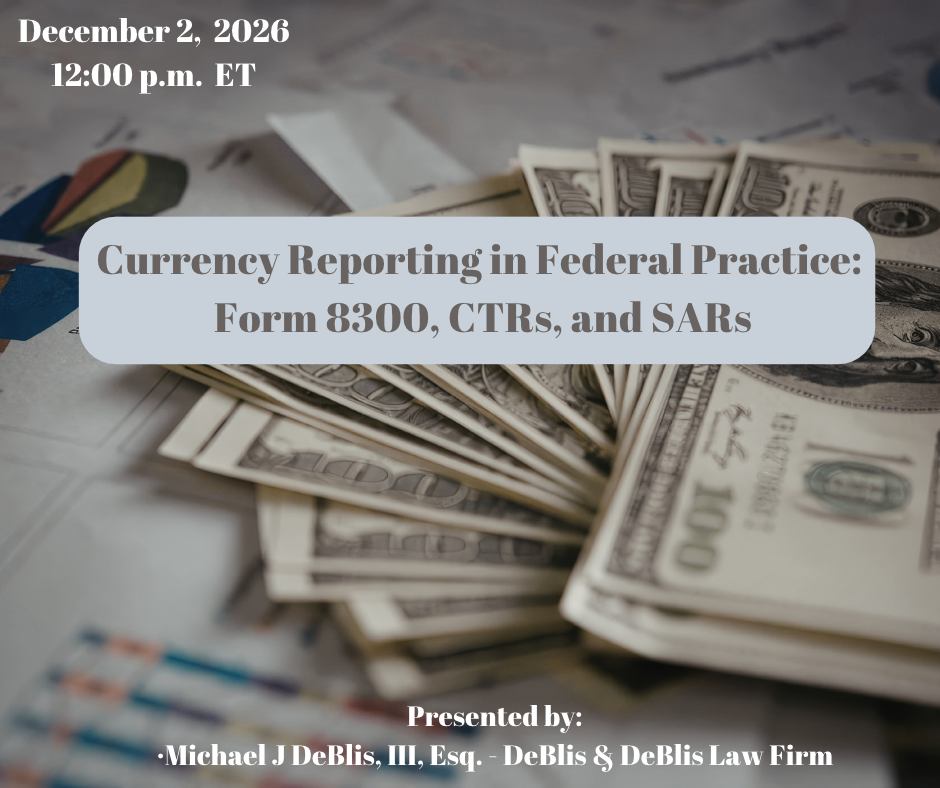
This program provides trial attorneys with a thorough grounding in the three principal currency repo...
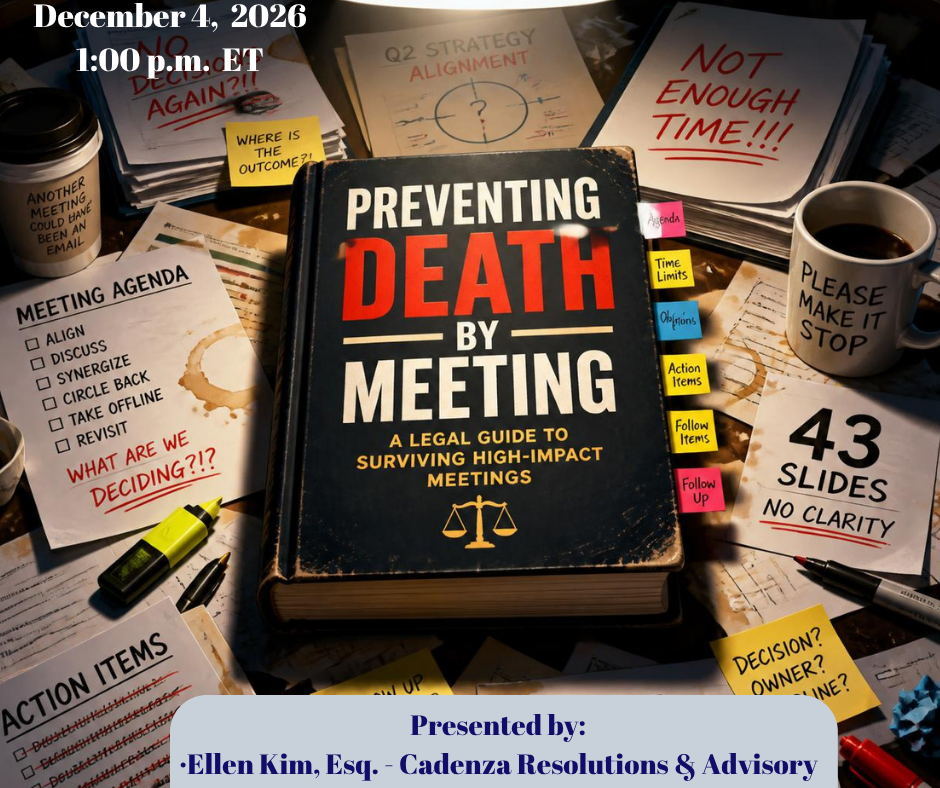
Lawyers lose hundreds of billable and operational hours every year to poorly managed meetings. Unfoc...
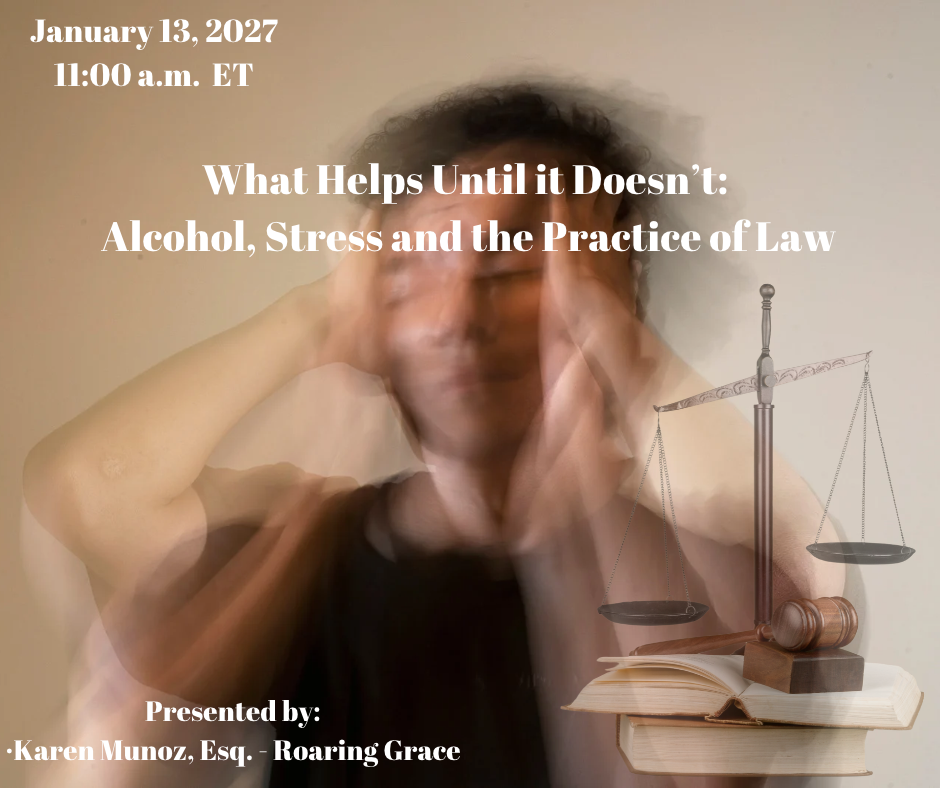
The practice of law places legal professionals under extraordinary and often chronic stress, making ...
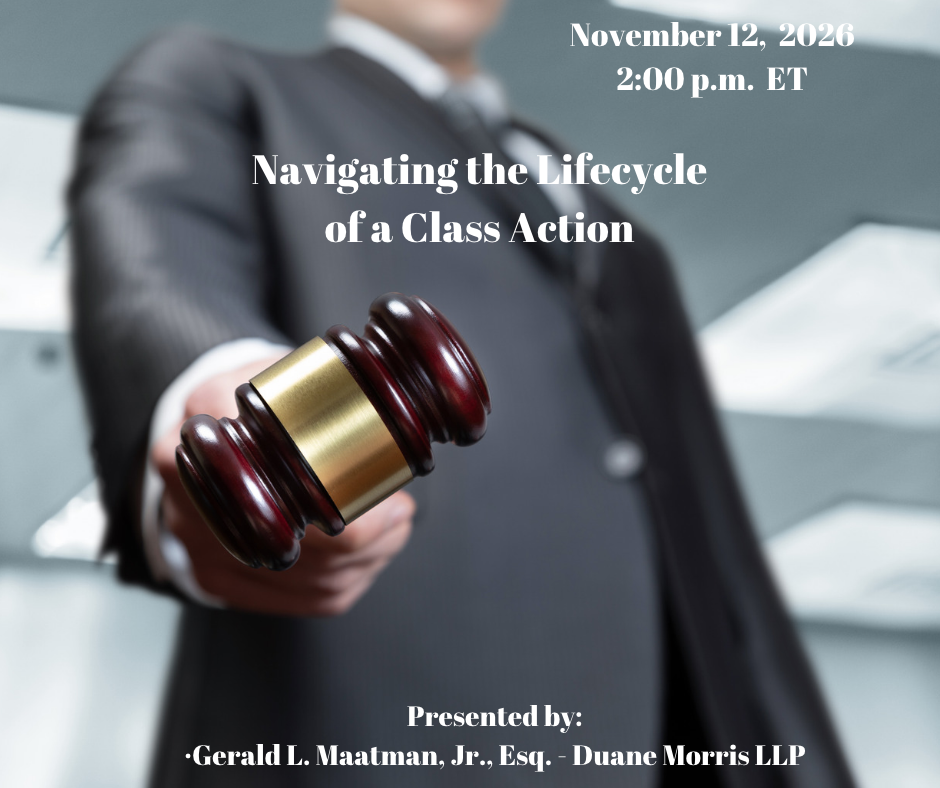
Class action litigation presents significant legal and business challenges for employers and corpora...
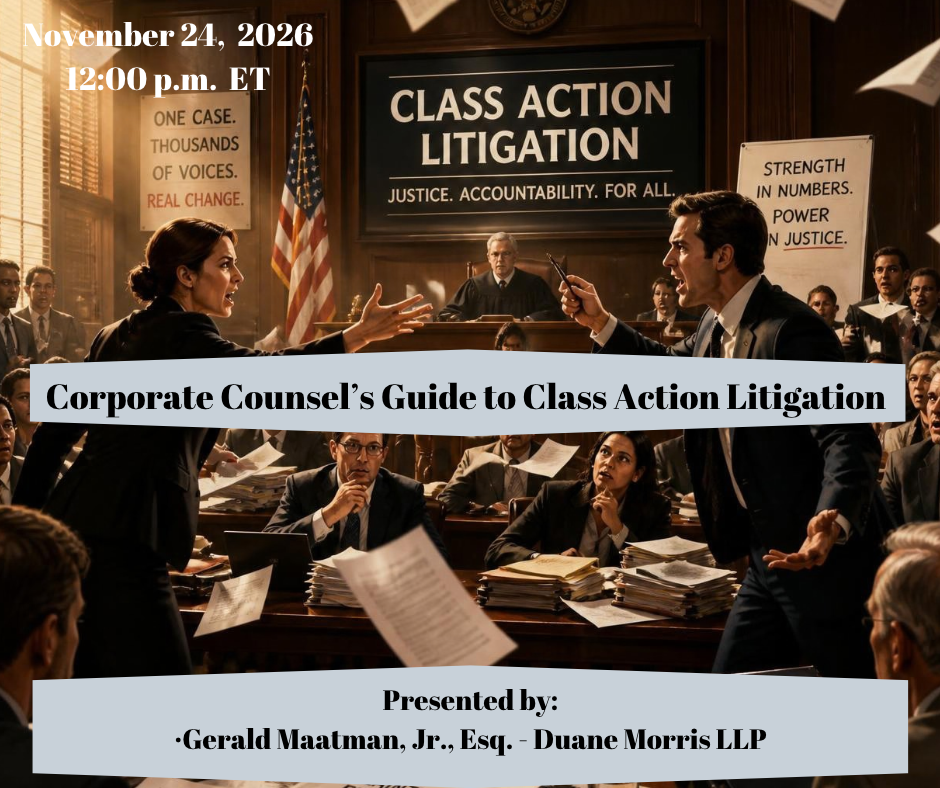
Class action litigation continues to expand in both number of filings and monetary exposure, with se...