
Exciting new series on “Voice, Body and Movement for Lawyers – How to connect with the jury and find Justice Through Dramatic Technique!”
Click here to find out more
Across the country, traditional noncompete agreements are under increasing judicial and legislative scrutiny. This series will discuss these developments, as well as the prospect of federal legislation or regulation, and will provide practical guidance to employers across the country as they seek to protect their workforces, customers, clients, and trade secrets in the years to come.
Topics to be covered include: alternatives to traditional noncompetes, such as nonsolicitation clauses, garden leave provisions, and forfeiture for competition provisions; best practices for multi-state employers with respect to noncompetition; and best practices for protecting trade secrets.
Part 2 of a 3 part series.
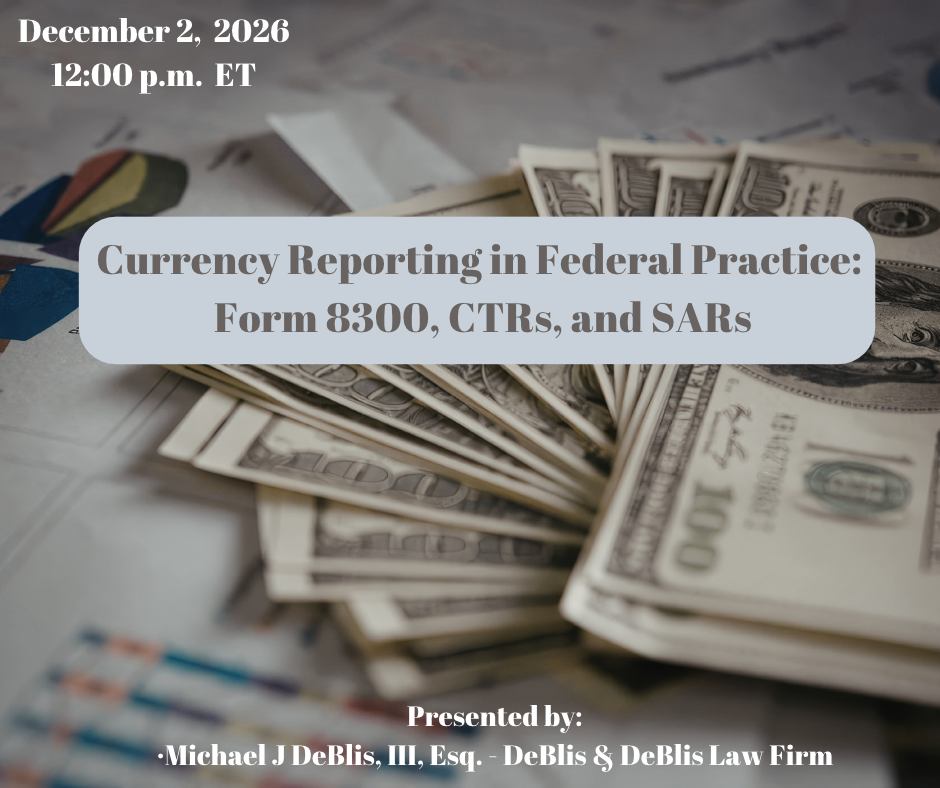
This program provides trial attorneys with a thorough grounding in the three principal currency repo...
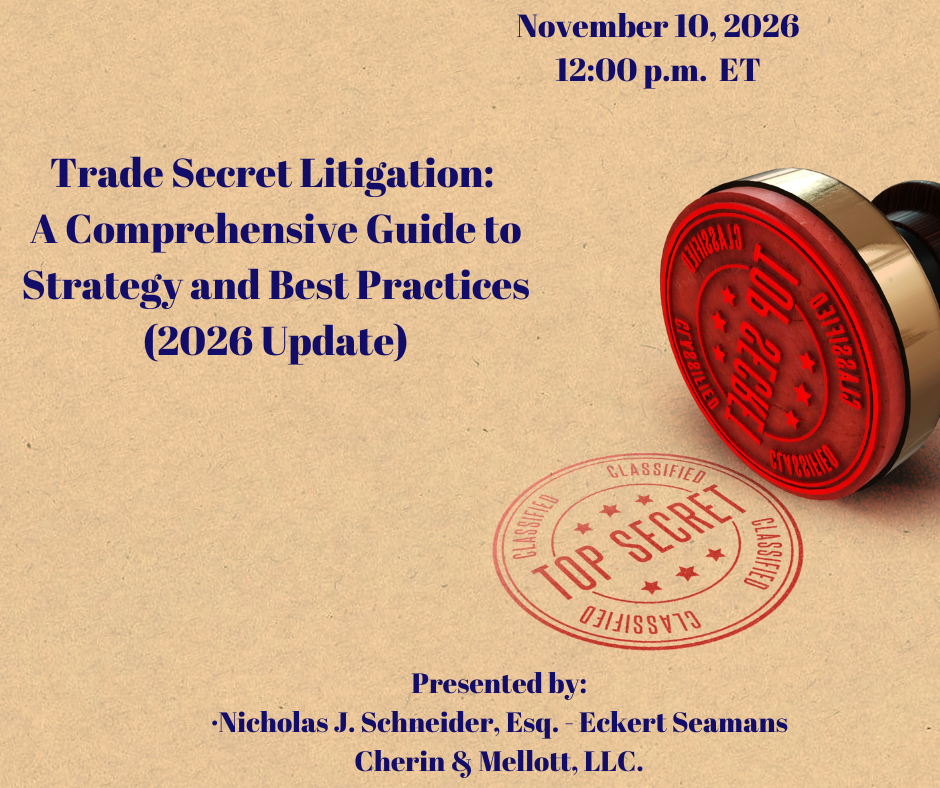
This course on trade secrets litigation provides real-world best practices through all key stages of...

Perfectionism is often rewarded in the legal profession. It drives attention to detail, thorough pre...
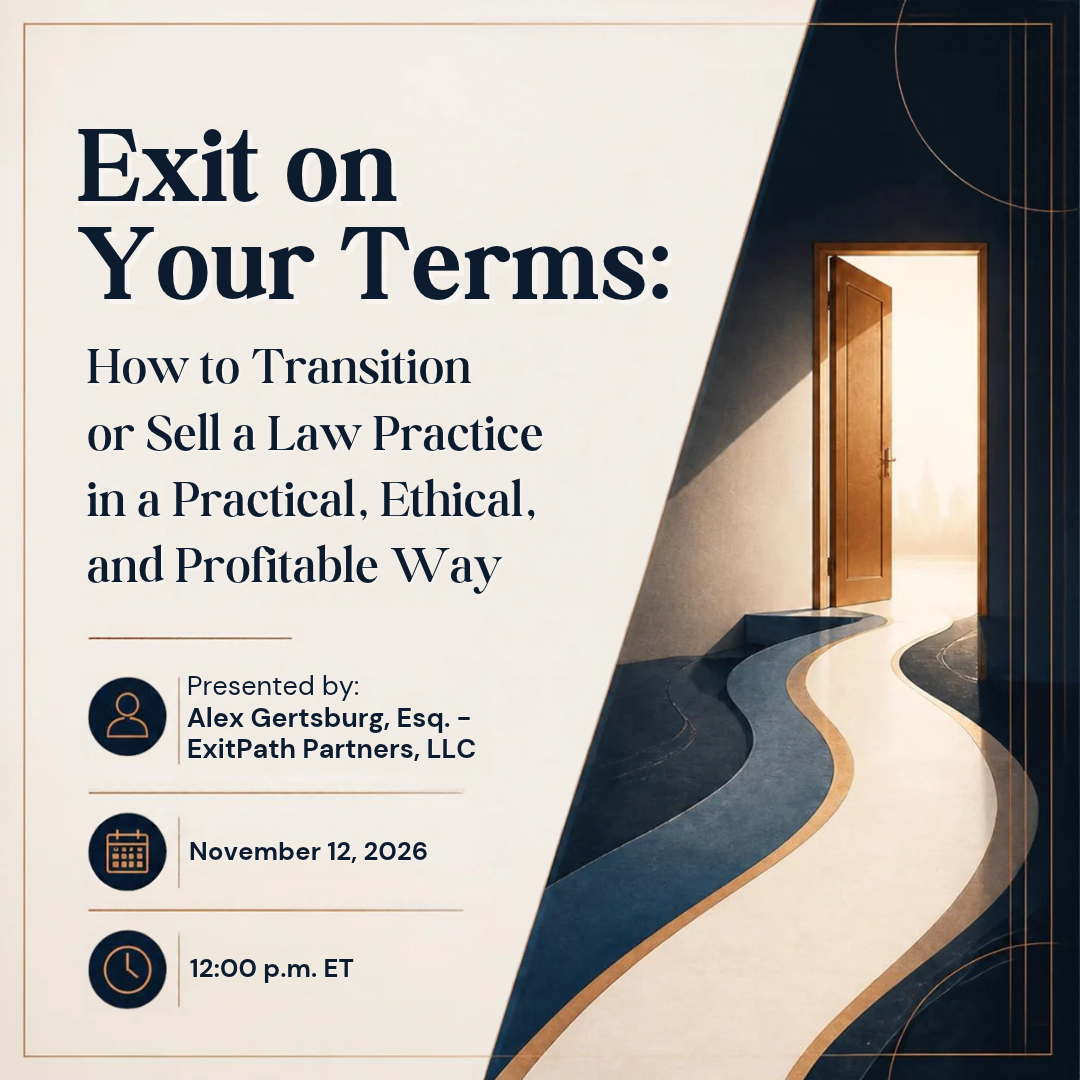
Turn decades of client relationships into lasting equity. This practical CLE shows attorneys how to ...
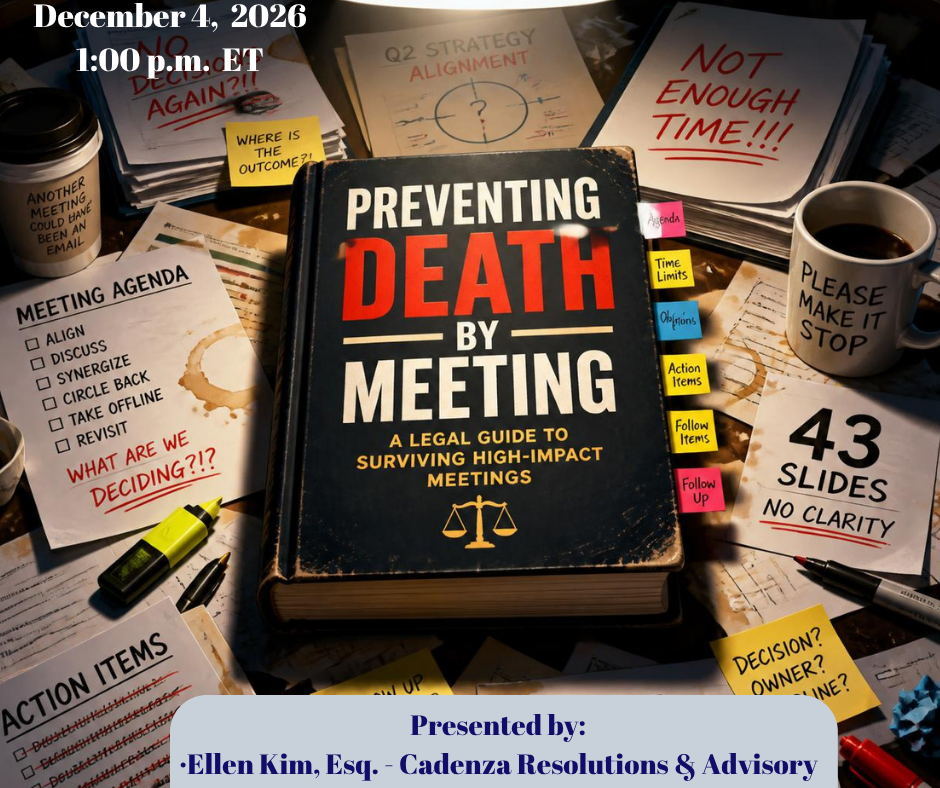
Lawyers lose hundreds of billable and operational hours every year to poorly managed meetings. Unfoc...
During this course, you will learn about best practices and strategies for retaining intellectual pr...
2026 was a very important year when it comes to federal procurement developments, Artificial Intelli...
New York City’s new Non-Primary Residence Property Surcharge—commonly known as the pied-...
This program provides a practical roadmap to mastering every stage of the discovery process in civil...
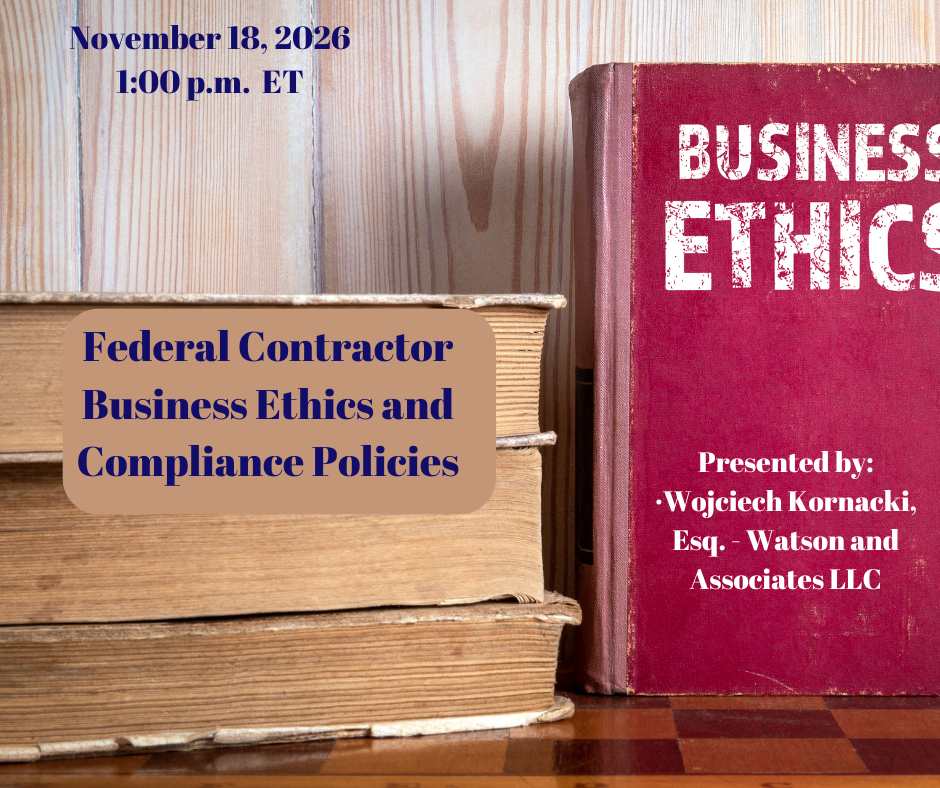
As the largest purchaser of goods and services in the world, the United States Government requires f...