
Exciting new series on “Voice, Body and Movement for Lawyers – How to connect with the jury and find Justice Through Dramatic Technique!”
Click here to find out more
Many lawyers and paralegals are unfamiliar with the nuances of computer technology and data security essential to comply with 21st century ethics rules in our digital world. There are many hidden dangers in frequently used tools and platforms, including e-mail, social-media and “the Cloud.”
The ethical dangers and minefields are compounded and heightened by increased use of digital tools and internet connections in the practice of law, including the use of Zoom and other digital meeting platforms, working from home over the internet and using Alexa and other digital devices.
Since lawyers and law firms are prime targets of hackers, all lawyers and paralegals must be vigilant as to client data and firm/department technology resources. This information is critical for lawyers to become more sophisticated in risk management in various technology contexts.
The webinar presentation will assist lawyers and law firm paralegals and legal departments to identify and avoid or minimize the risks in our increasingly digital world, many of which they may not be aware. The presentation will also provide suggested solutions and best practices.
Class action litigation presents significant legal and business challenges for employers and corpora...
Class action waivers in arbitration agreements remain enforceable, but a decade of U.S. Supreme Cour...
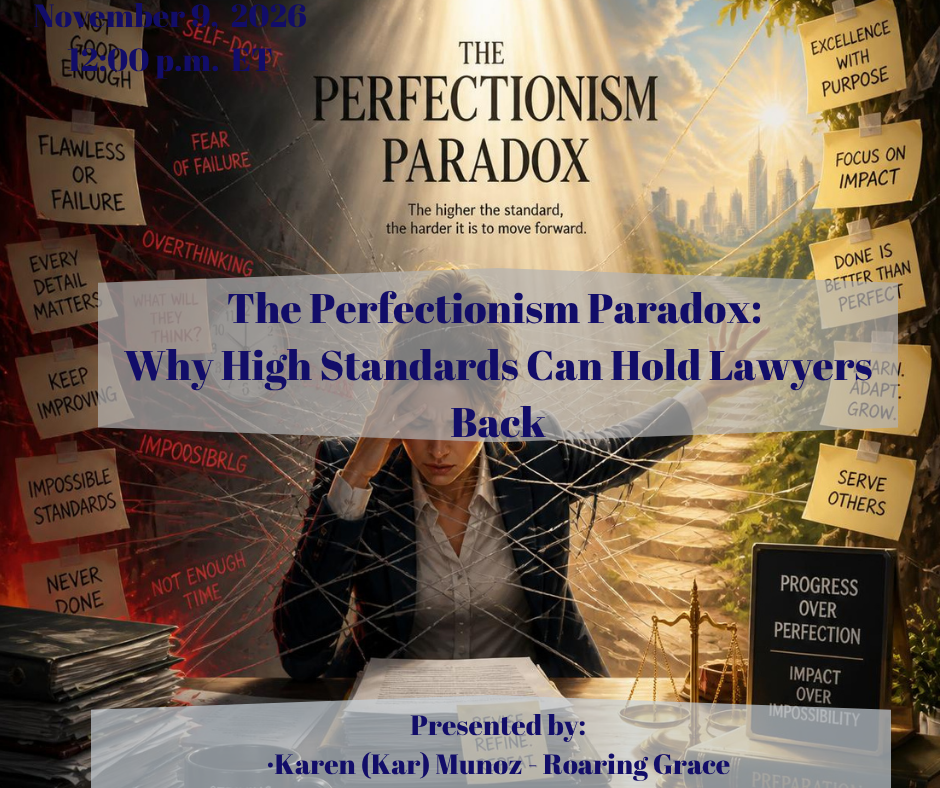
Perfectionism is often rewarded in the legal profession. It drives attention to detail, thorough pre...
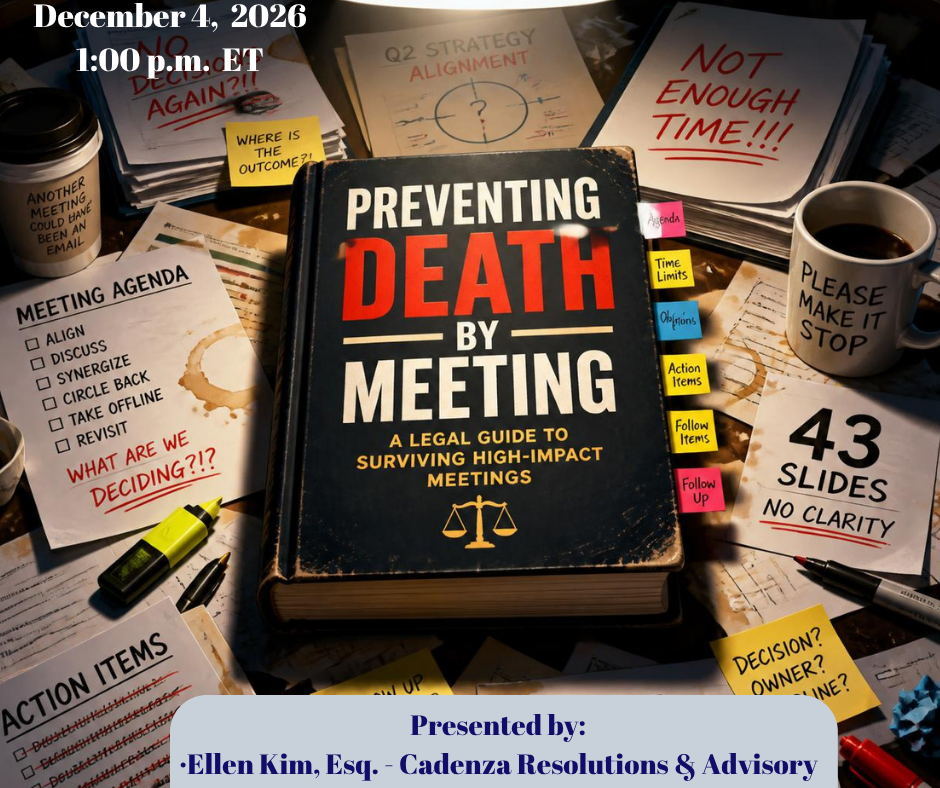
Lawyers lose hundreds of billable and operational hours every year to poorly managed meetings. Unfoc...
This program provides trial attorneys with a thorough grounding in the three principal currency repo...
Confidentiality Agreements (also called NDAs) are too often treated as routine. So routine, th...
During this course, you will learn about best practices and strategies for retaining intellectual pr...
This course on trade secrets litigation provides real-world best practices through all key stages of...
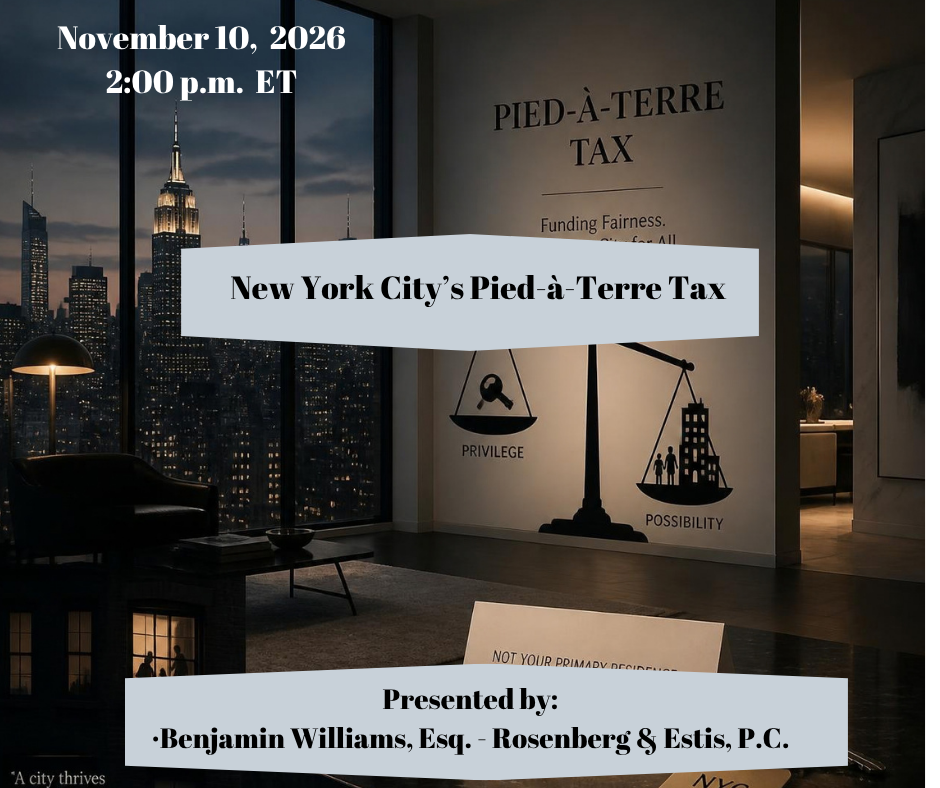
New York City’s new Non-Primary Residence Property Surcharge—commonly known as the pied-...
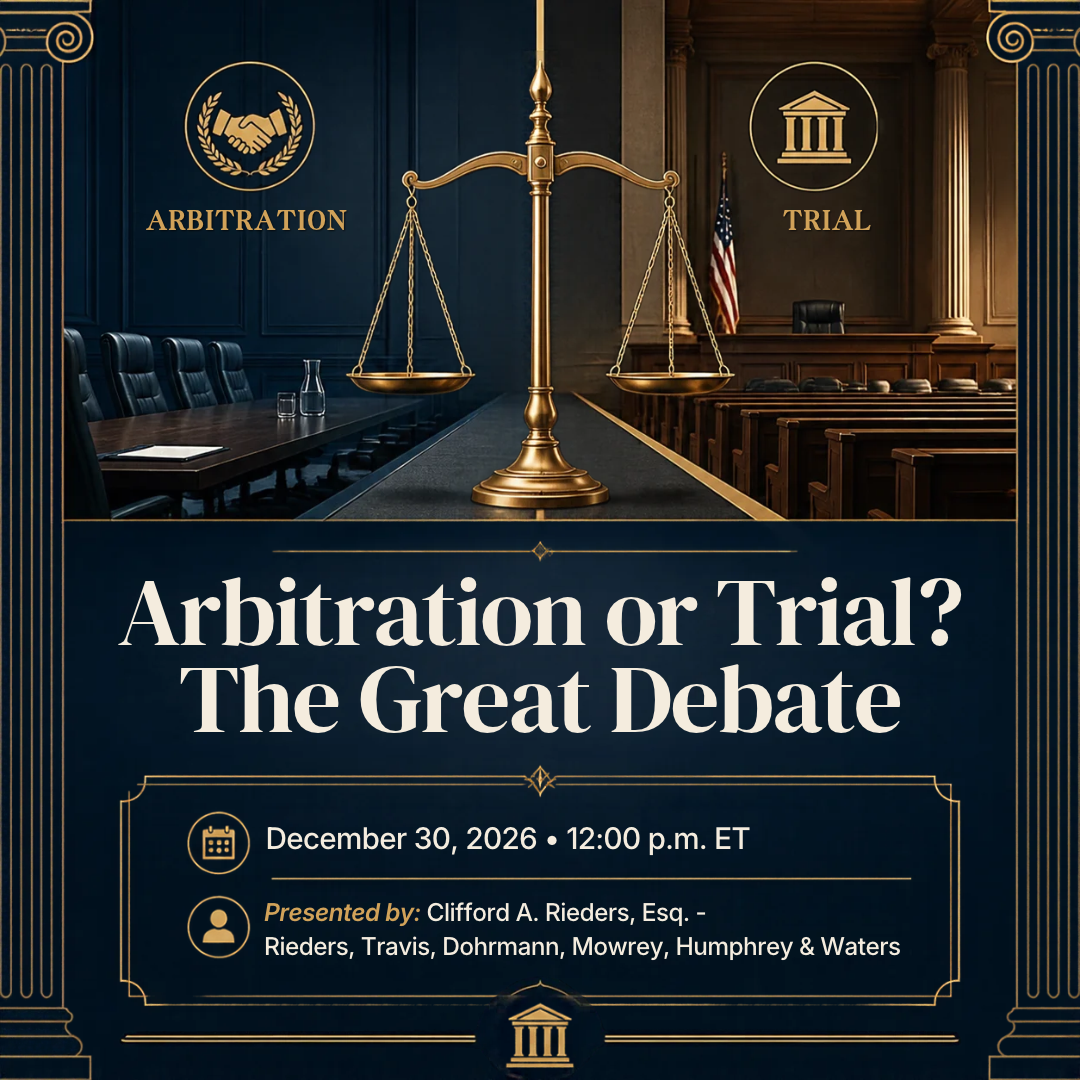
This seminar concerns a scope, jurisdiction, and exceptions to the Federal Arbitration Act. The Act ...