
Exciting new series on “Voice, Body and Movement for Lawyers – How to connect with the jury and find Justice Through Dramatic Technique!”
Click here to find out more
A former complex litigation judge suggests winning strategies for making lawsuits faster and less expensive. Judge Thomas Moukawsher explains effective complaint writing, why summary judgment is the best pre-trial motion, the best use of pre-trial prep time, strategic use of undisputed facts, how to focus fact finders on key exhibits, saving on expert testimony, the use of time clocks at trial, effective deployment of former testimony, powerful cross examination, plain spoken jury charges, the best way to end a trial, the strongest way to write a brief, the dangers of the billable hour, and more...
2026 was a very important year when it comes to federal procurement developments, Artificial Intelli...
Class action litigation continues to expand in both number of filings and monetary exposure, with se...
Lawyers lose hundreds of billable and operational hours every year to poorly managed meetings. Unfoc...
Perfectionism is often rewarded in the legal profession. It drives attention to detail, thorough pre...

During this course, you will learn about best practices and strategies for retaining intellectual pr...

This program provides a practical roadmap to mastering every stage of the discovery process in civil...
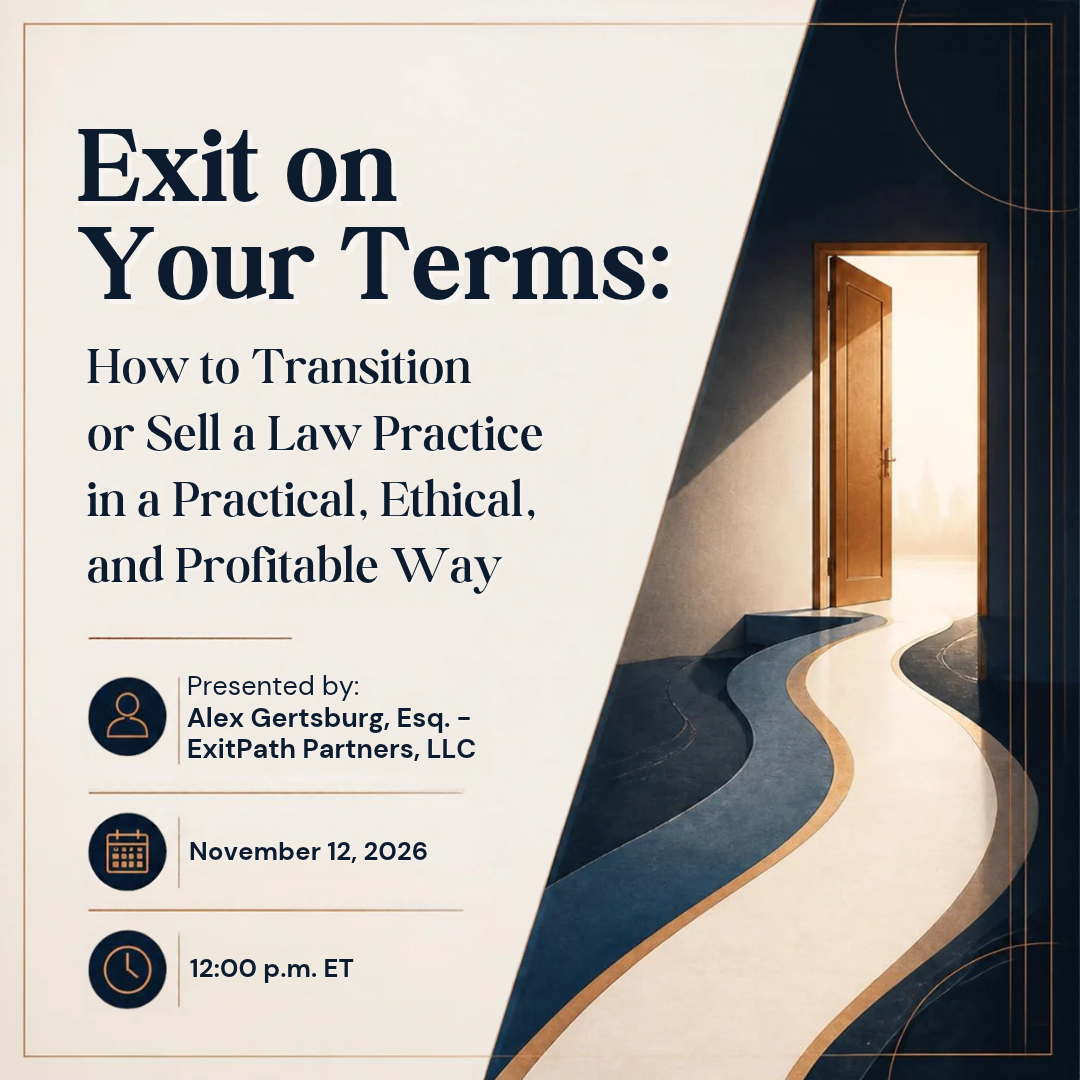
Turn decades of client relationships into lasting equity. This practical CLE shows attorneys how to ...
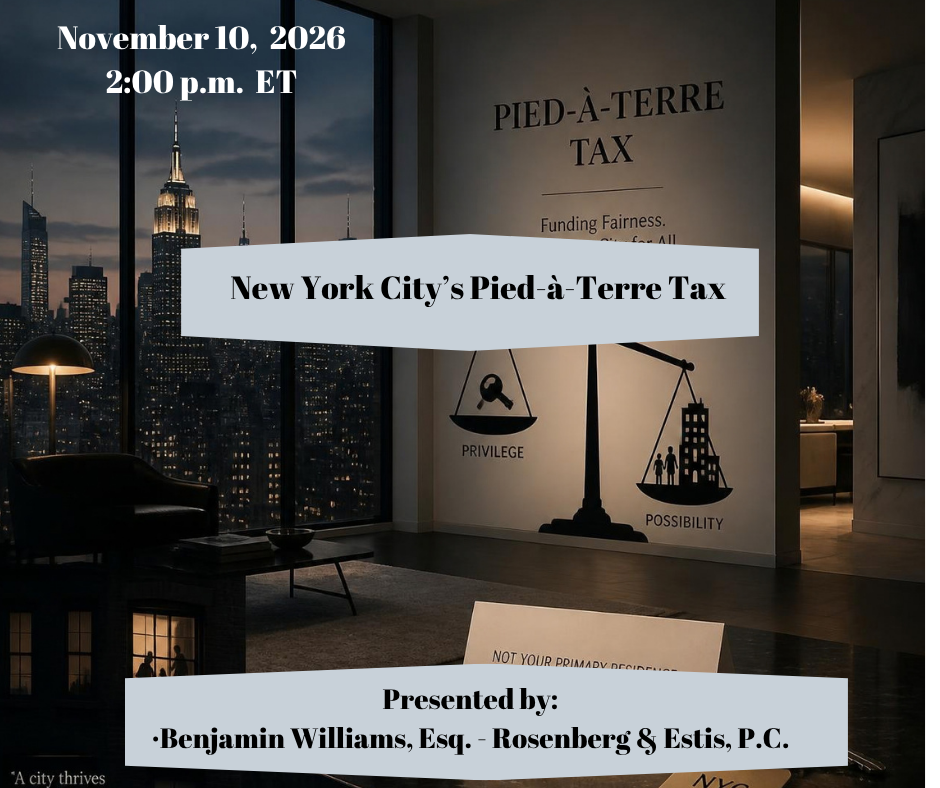
New York City’s new Non-Primary Residence Property Surcharge—commonly known as the pied-...

Adverse and derogatory information often has devastating effects on a contractor's ability to win co...
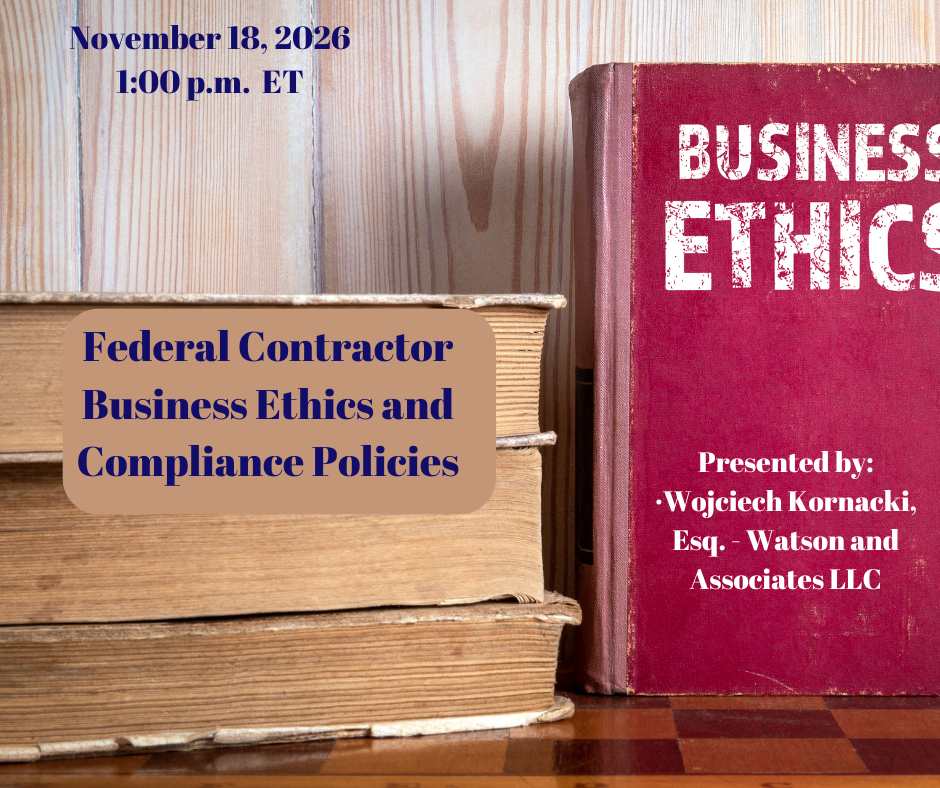
As the largest purchaser of goods and services in the world, the United States Government requires f...