
Exciting new series on “Voice, Body and Movement for Lawyers – How to connect with the jury and find Justice Through Dramatic Technique!”
Click here to find out more
Part 4 of this 4 Part series. As persons have sprinted to move to the cloud in an attempt to shift cybersecurity liability, a perfect storm actually arose. The presenters begin with an organization’s legal and ethical responsibilities, explain the different cloud environments, and provide expert insights into how to approach a cloud audit.
Key Objectives:
• Cloud legal considerations in different sectors – from government to healthcare.
• Understanding the different cloud environments.
• Learn how cloud audits differ from other audits and what questions to ask.
This program provides a practical roadmap to mastering every stage of the discovery process in civil...
2026 was a very important year when it comes to federal procurement developments, Artificial Intelli...
During this course you will take a deep dive into federal bid protest litigation at the U.S. Court o...

New York City’s new Non-Primary Residence Property Surcharge—commonly known as the pied-...
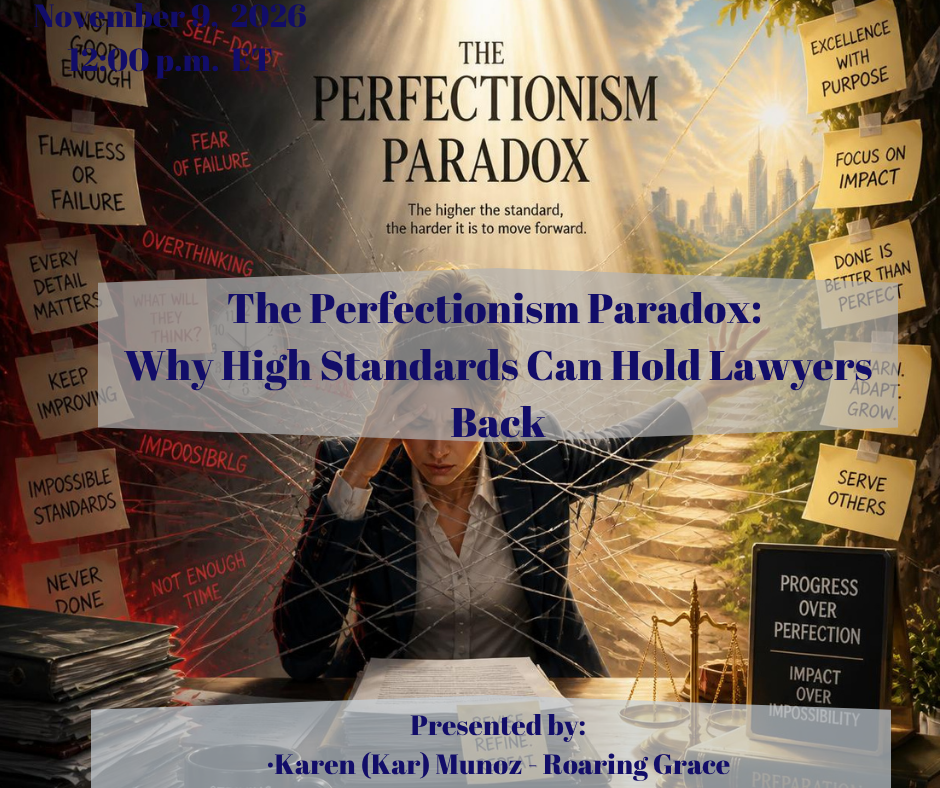
Perfectionism is often rewarded in the legal profession. It drives attention to detail, thorough pre...
This program provides trial attorneys with a thorough grounding in the three principal currency repo...
Data privacy remains one of the most rapid areas of growth in the class action space. Plaintiffs con...
This course is meant for lawyers of all levels and areas of practice, and in it, we will explore way...
Class action waivers in arbitration agreements remain enforceable, but a decade of U.S. Supreme Cour...
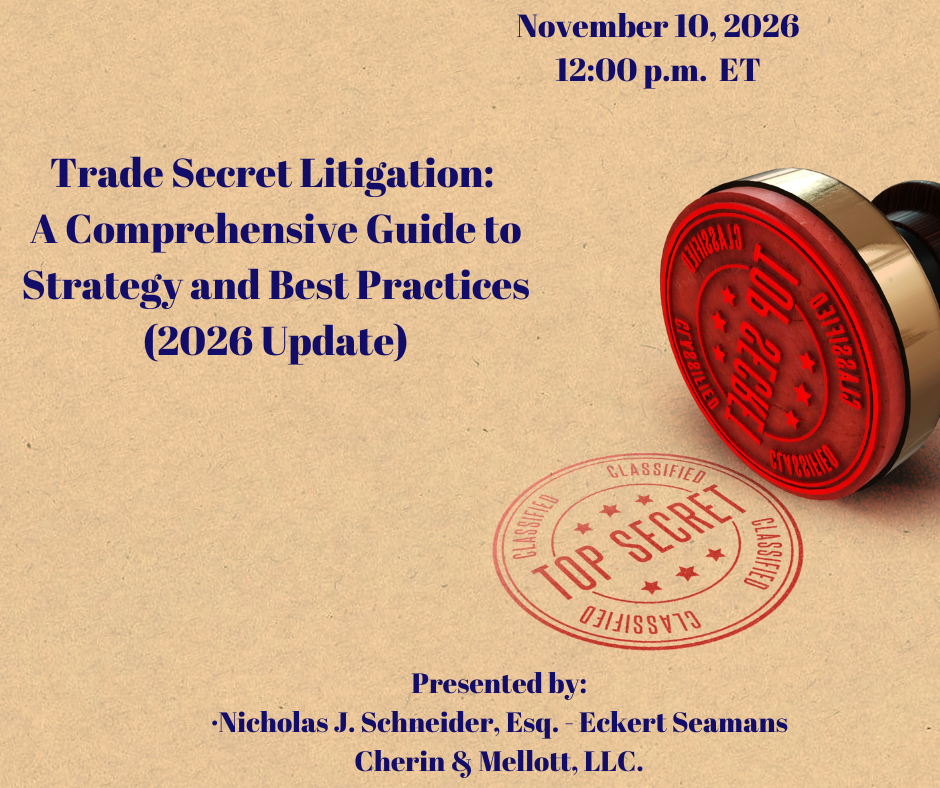
This course on trade secrets litigation provides real-world best practices through all key stages of...