
Exciting new series on “Voice, Body and Movement for Lawyers – How to connect with the jury and find Justice Through Dramatic Technique!”
Click here to find out more
Attorneys taking this one-hour course will learn:
1. How nursing homes are structured and regulated.
2. Areas where they are liable and not liable.
3. Liability of related entities involved in the care and treatment of a plaintiff.
4. Common theories of liability.
5. What to ask for in discovery and what to object to.
6. Special discovery and evidence issues.
7. Common fact allegations and common defenses.
8. The impact of Covid-19 on nursing home delivery of care and liability.
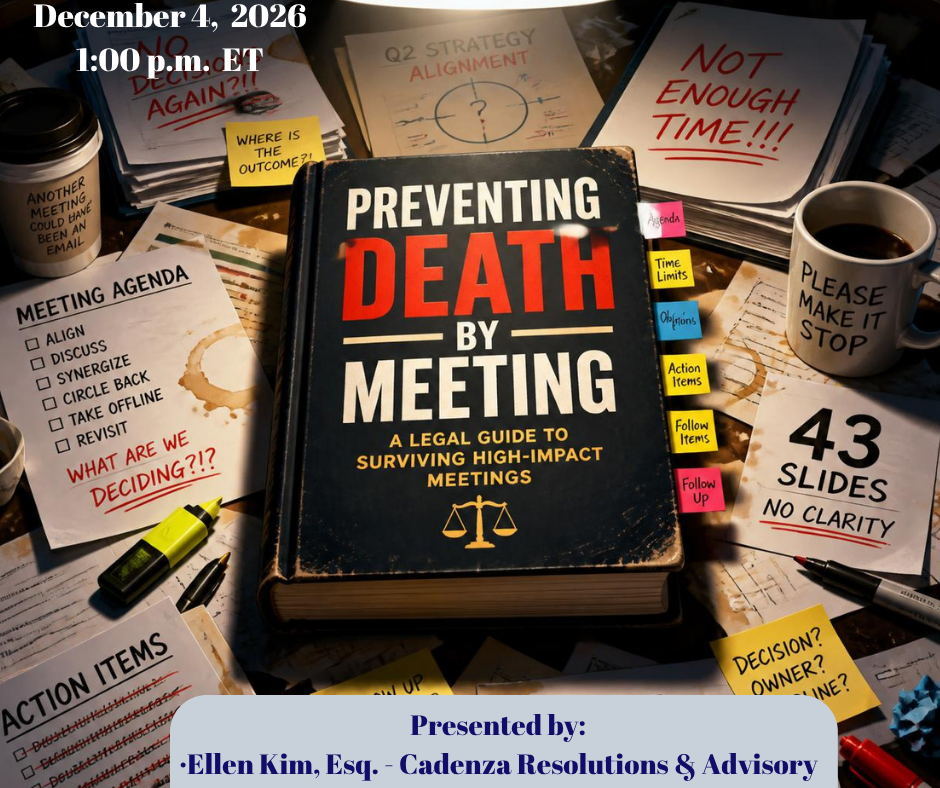
Lawyers lose hundreds of billable and operational hours every year to poorly managed meetings. Unfoc...
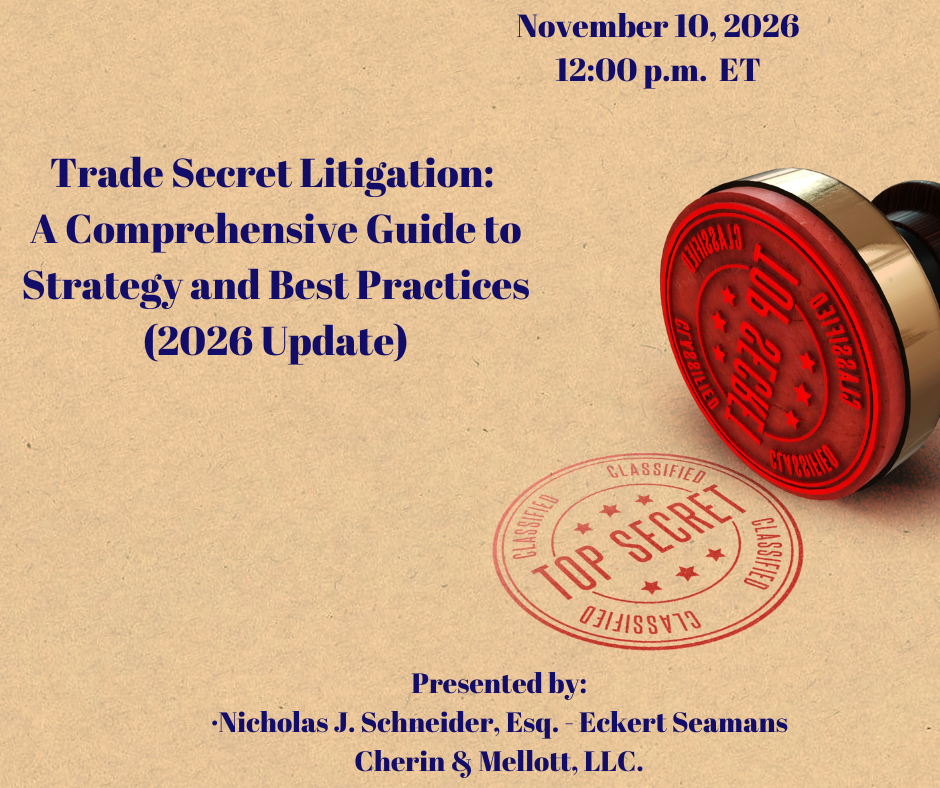
This course on trade secrets litigation provides real-world best practices through all key stages of...
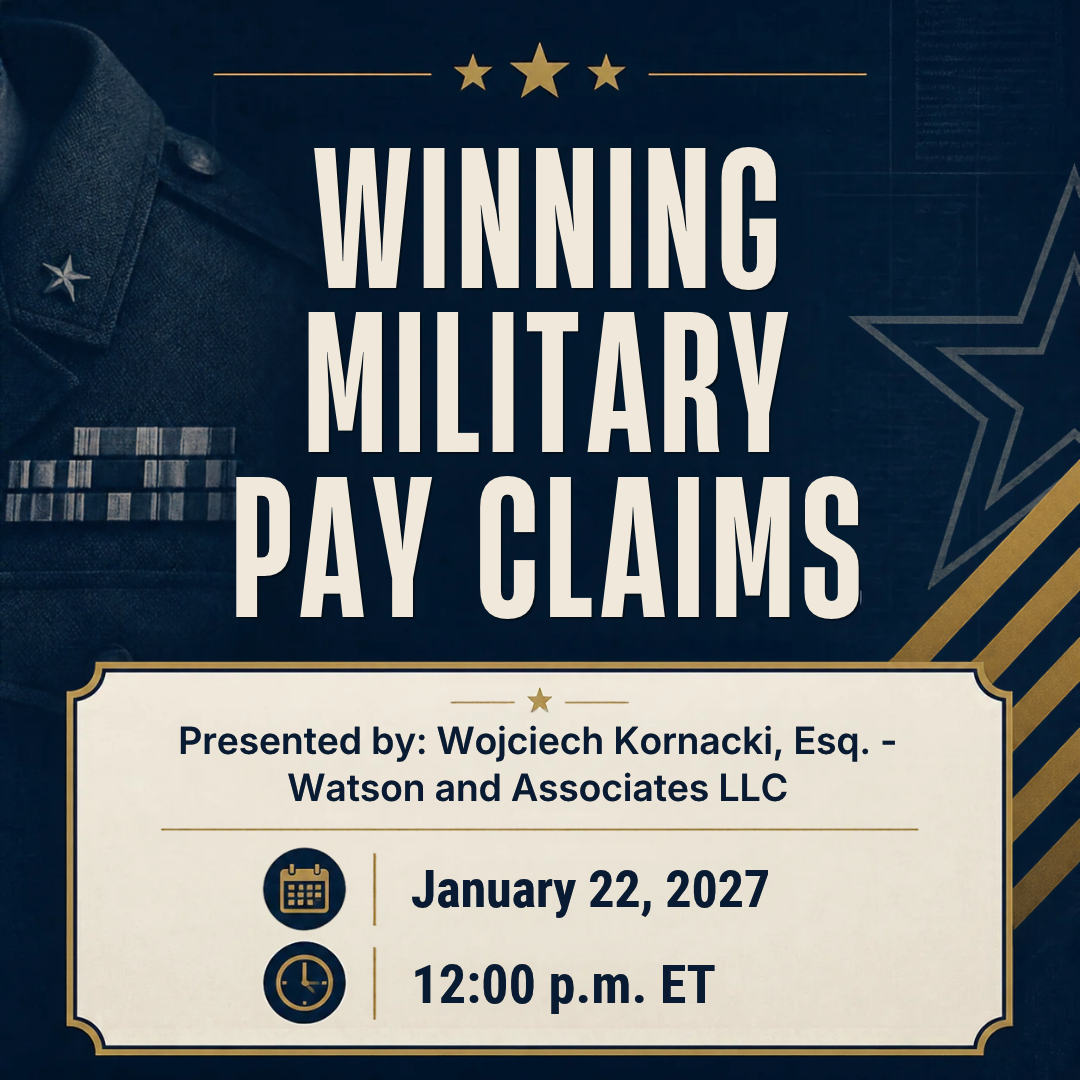
I was wrongfully separated from the military and I will get no military pay and disability retiremen...
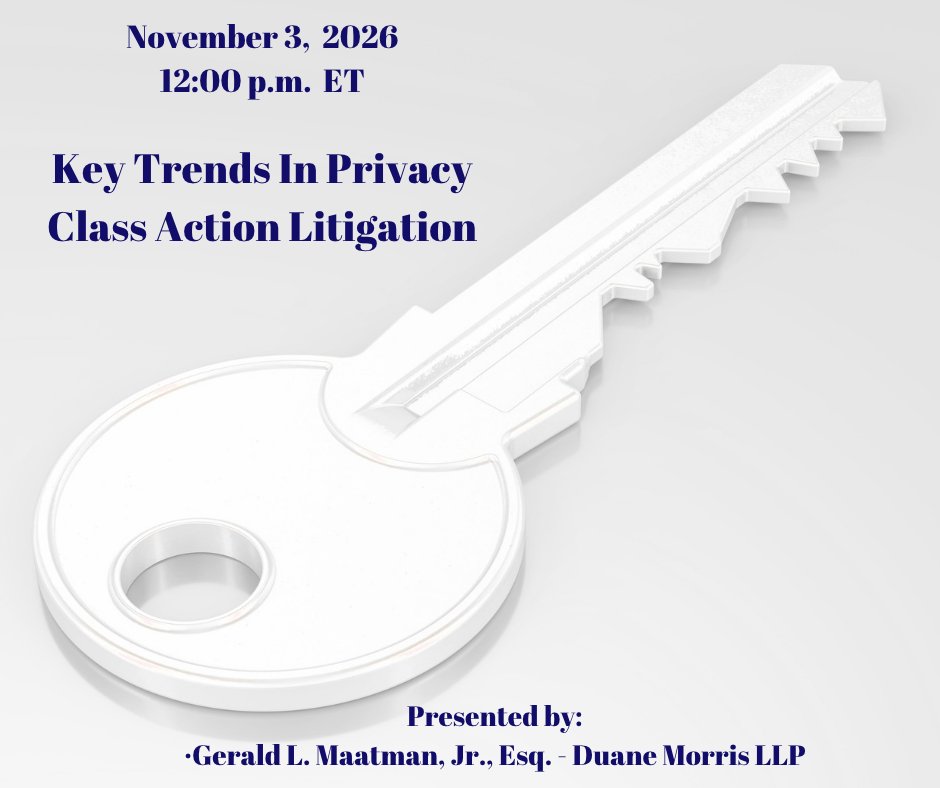
Data privacy remains one of the most rapid areas of growth in the class action space. Plaintiffs con...
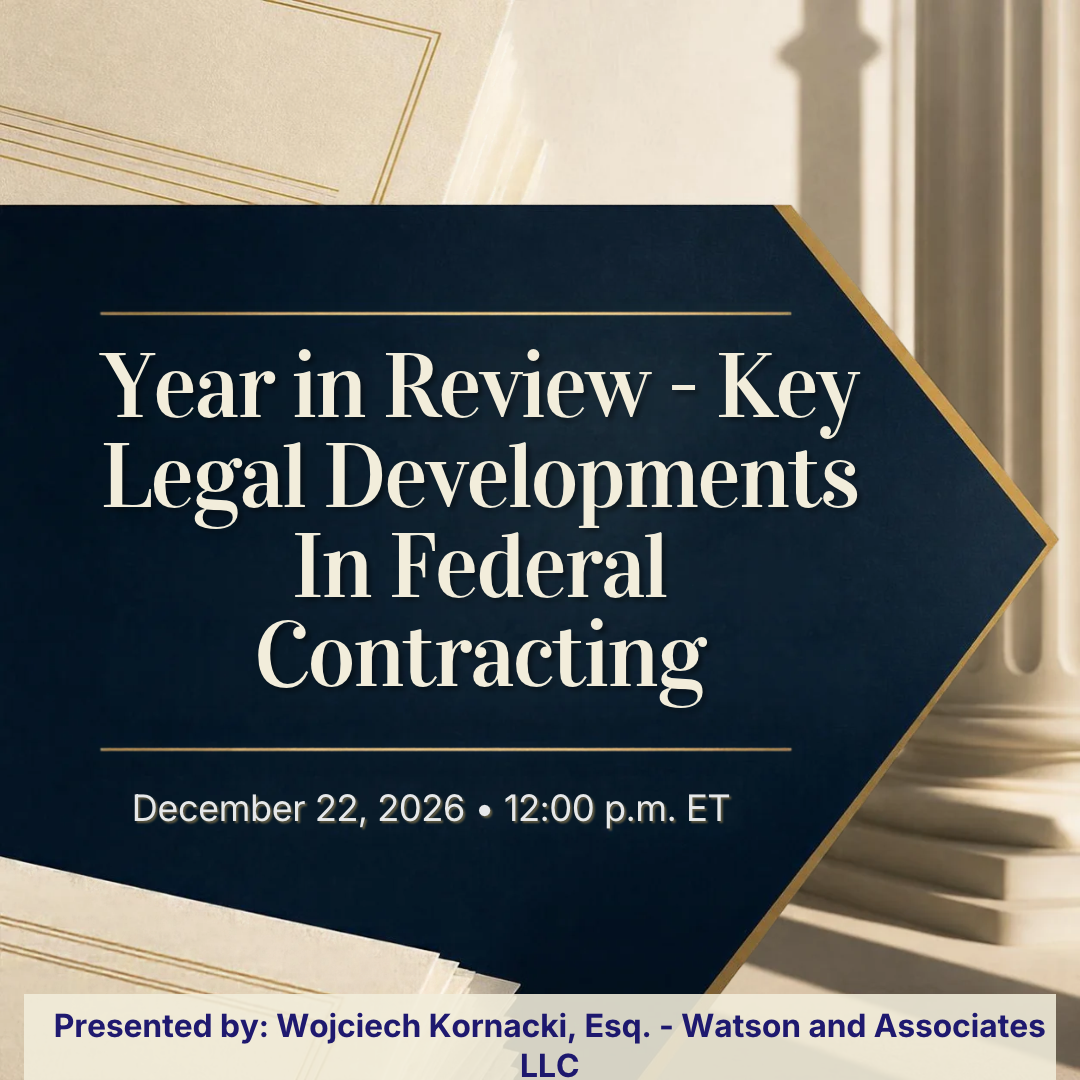
2026 was a very important year when it comes to federal procurement developments, Artificial Intelli...
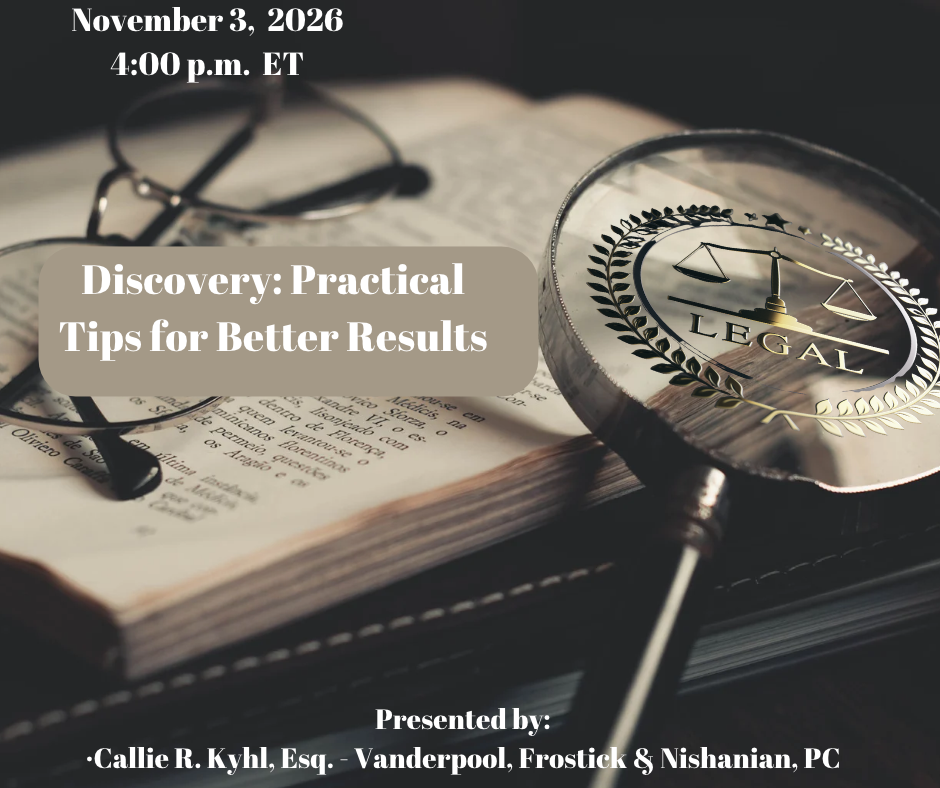
This program provides a practical roadmap to mastering every stage of the discovery process in civil...
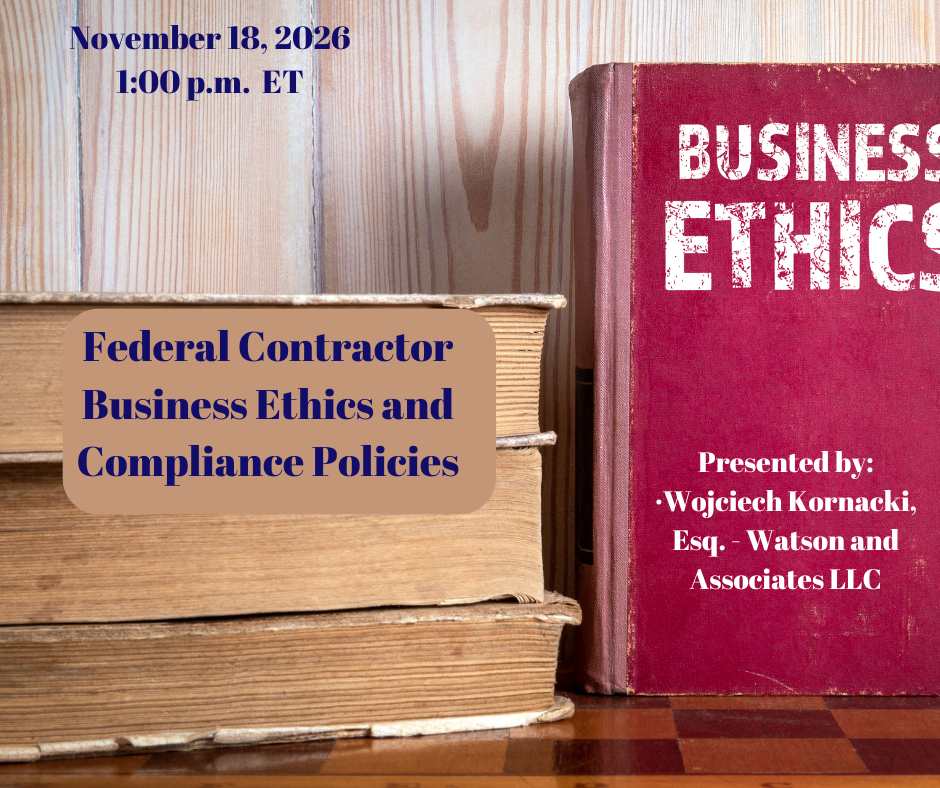
As the largest purchaser of goods and services in the world, the United States Government requires f...
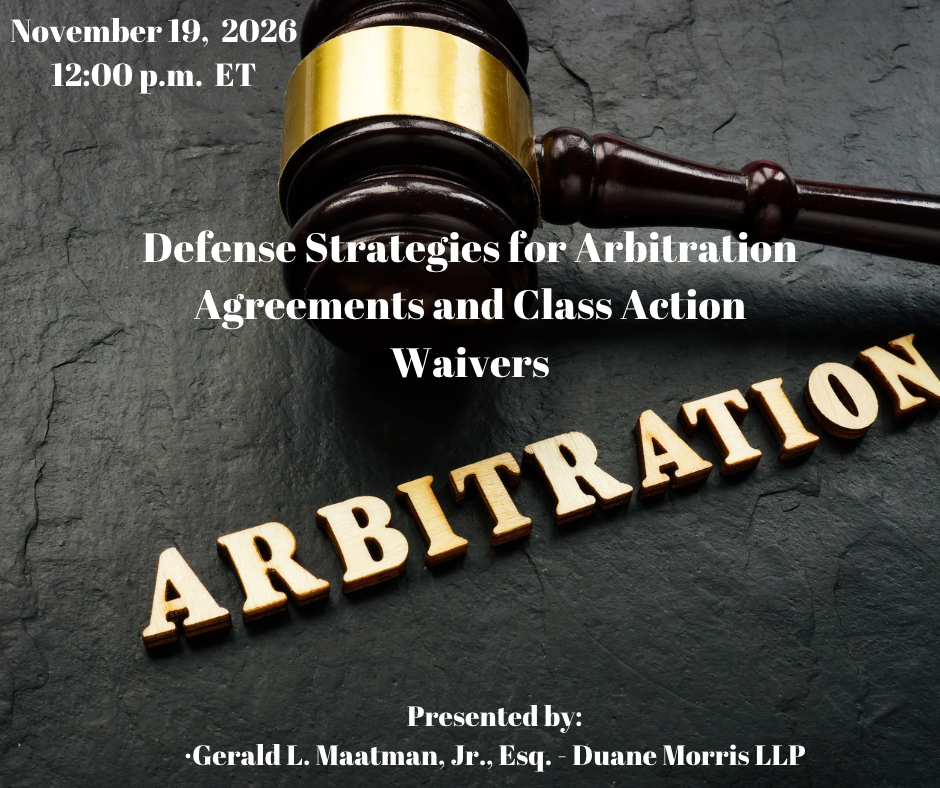
Class action waivers in arbitration agreements remain enforceable, but a decade of U.S. Supreme Cour...
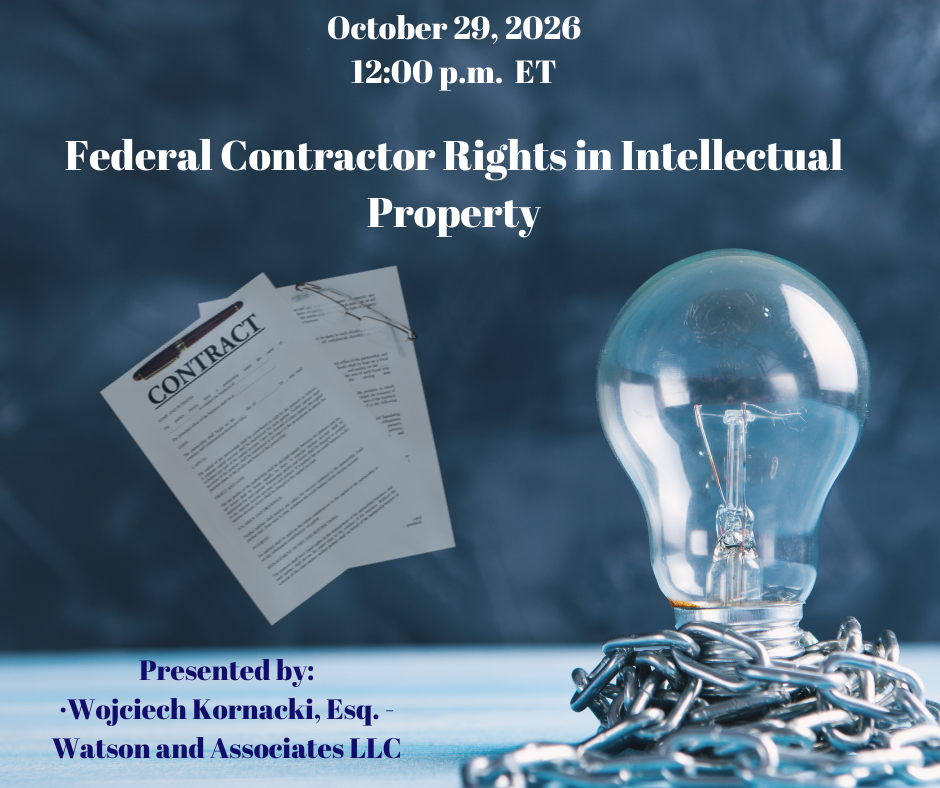
During this course, you will learn about best practices and strategies for retaining intellectual pr...
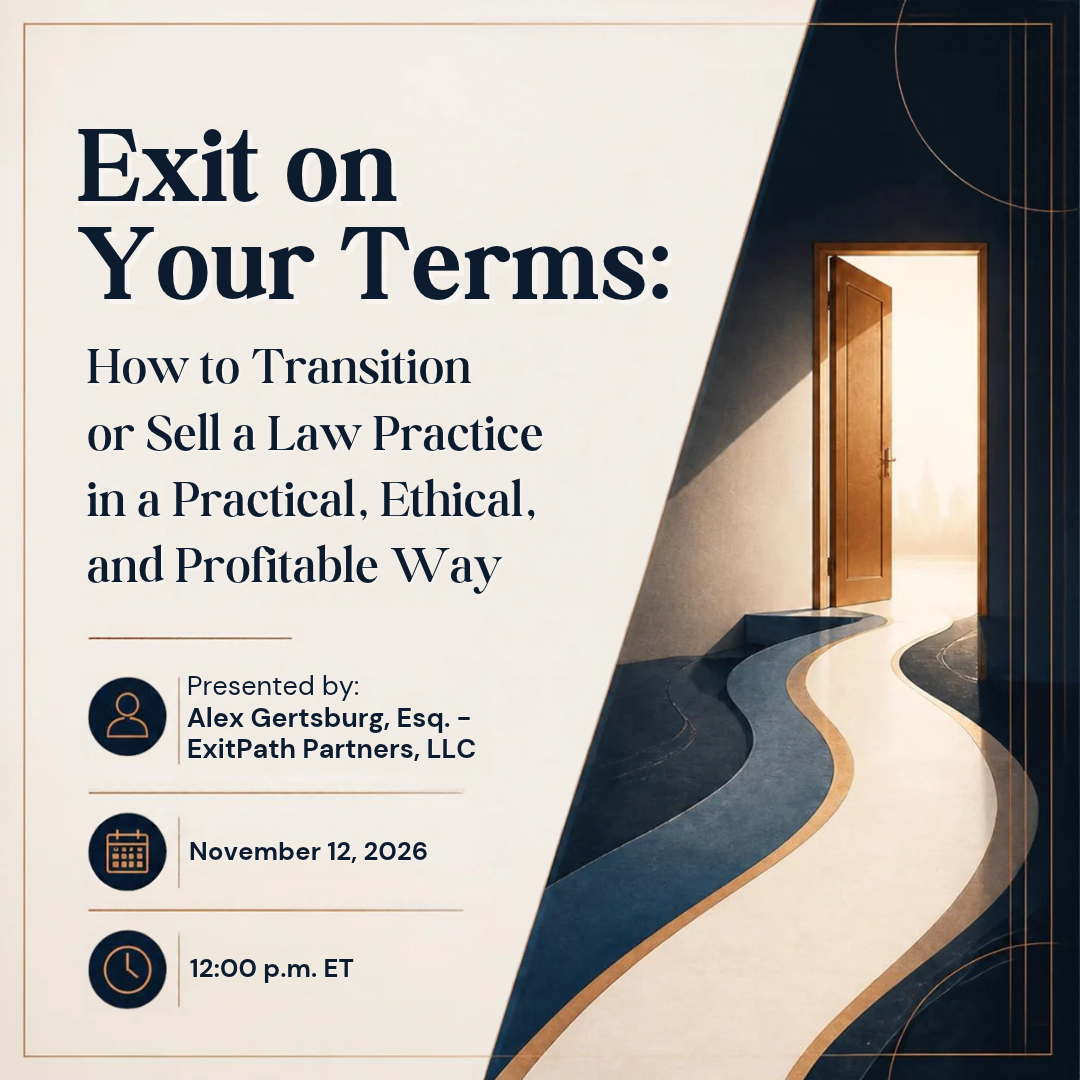
Turn decades of client relationships into lasting equity. This practical CLE shows attorneys how to ...