
Exciting new series on “Voice, Body and Movement for Lawyers – How to connect with the jury and find Justice Through Dramatic Technique!”
Click here to find out more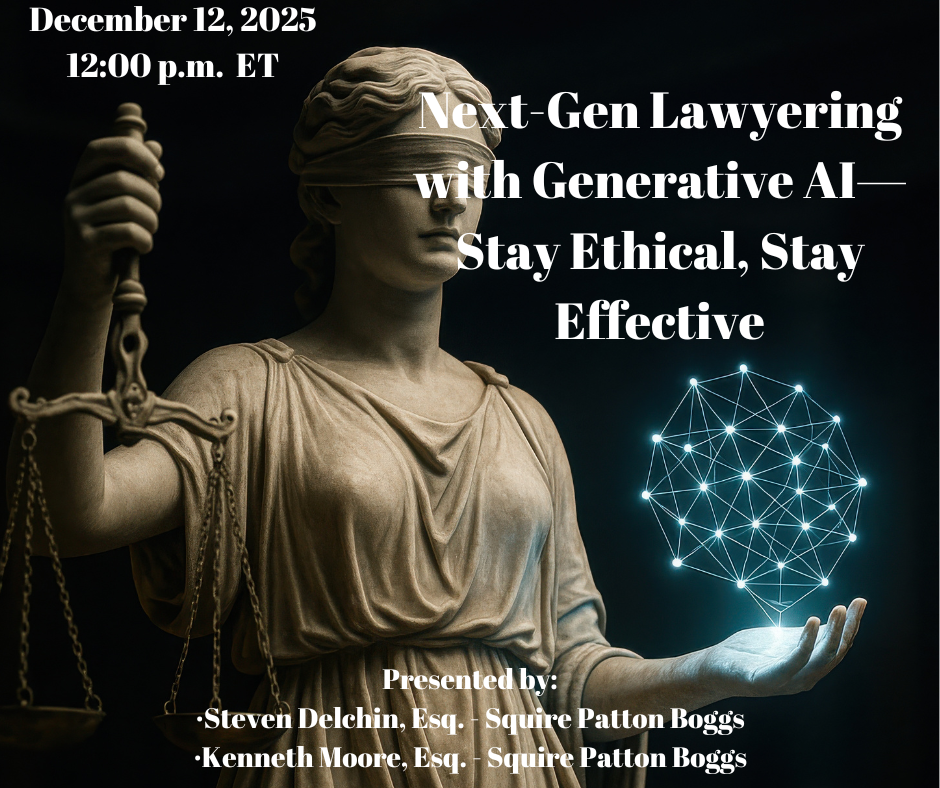
Generative AI is transforming how lawyers work, but it’s also raising new ethical and practical challenges. This session offers a fast, engaging look at how attorneys today are already using generative AI tools to boost efficiency and cut costs. It will also assist lawyers with navigating ethical duties that apply to both the use and non-use of AI tools, including professional obligations relating to confidentiality (Rule 1.6), competence (Rule 1.1), communication (Rule 1.4), and many others. You’ll come away with a clearer understanding of AI’s potential, its pitfalls, and how to stay on the right side of both innovation and the rules of professional conduct.
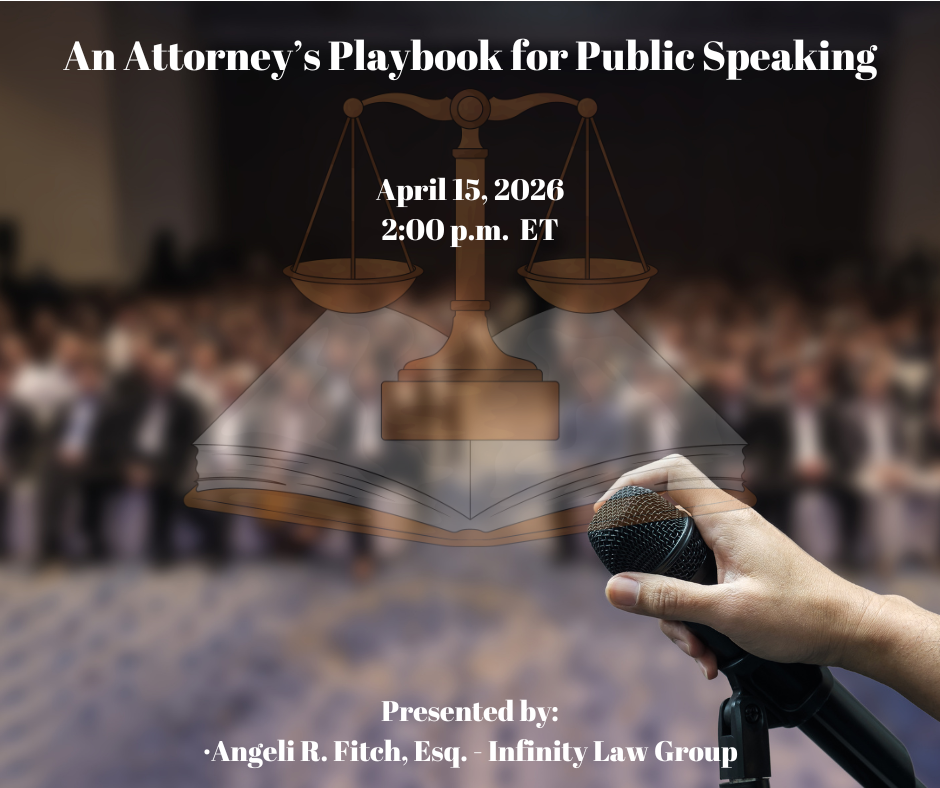
Attorneys are judged every time they speak—in client meetings, depositions, hearings, negotiat...
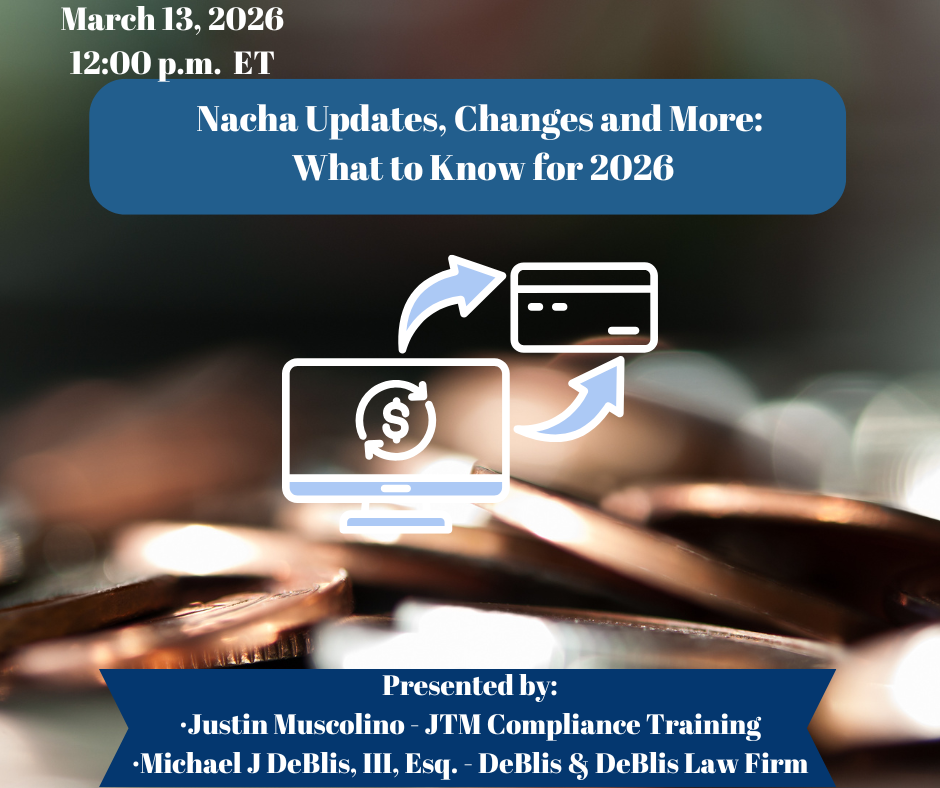
This attorney-focused program reviews upcoming Nacha rule changes for 2026 with emphasis on legal ob...
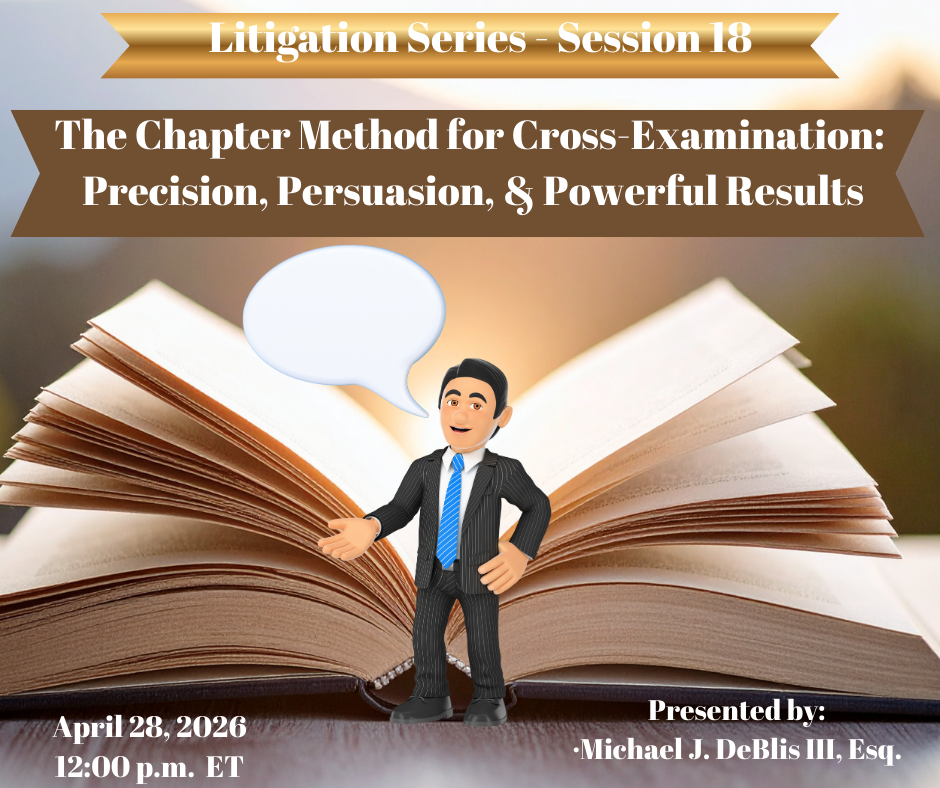
The “Chaptering Your Cross” program explains how dividing a cross?examination into clear...
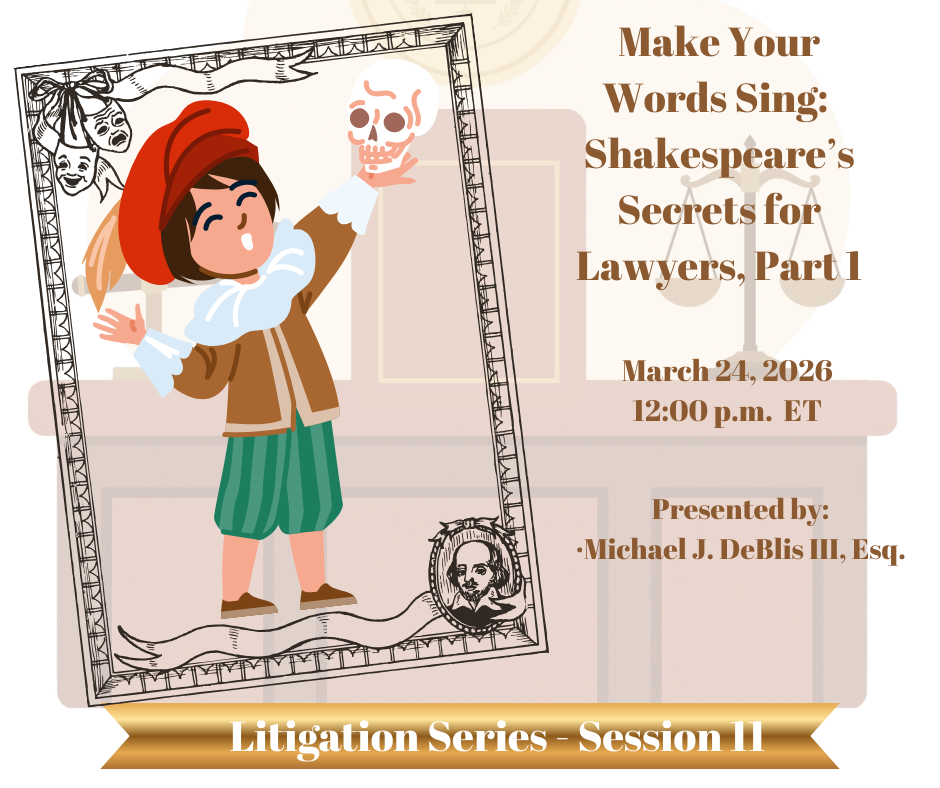
This Shakespeare?inspired program illustrates how Shakespearean technique can enrich courtroom advoc...
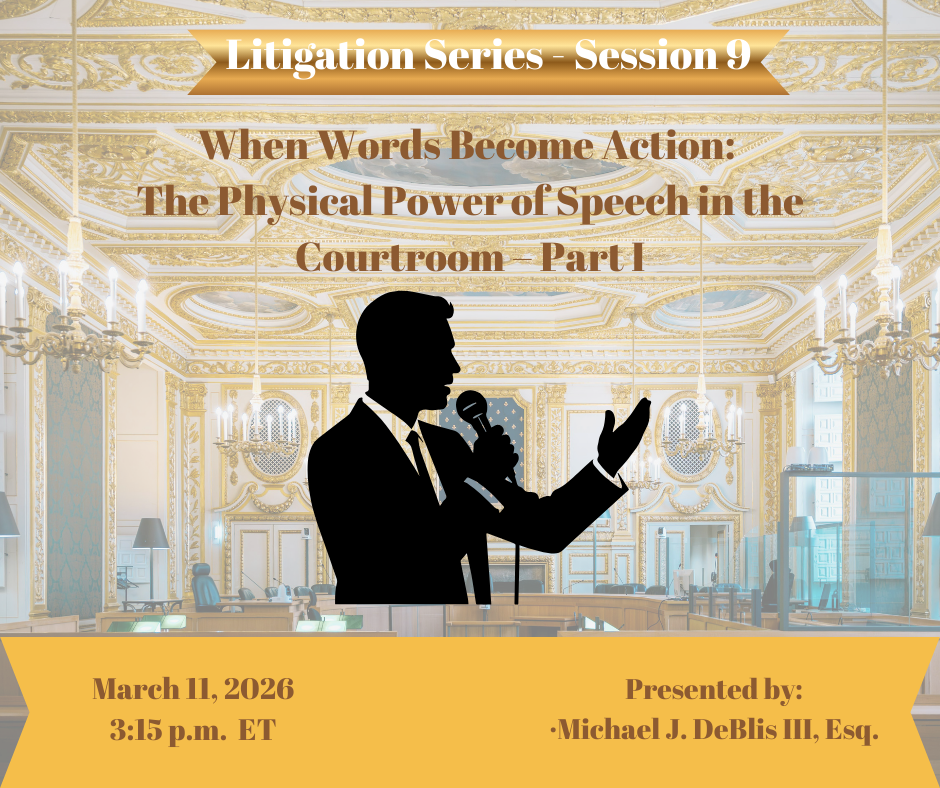
This program focuses on overcoming the inner critic—the perfectionist, self?doubting voice tha...

This continuing legal education (CLE) webinar provides comprehensive update on work? place safety ma...
Attorneys hopefully recognize that, like many other professionals, their lives are filled to the bri...
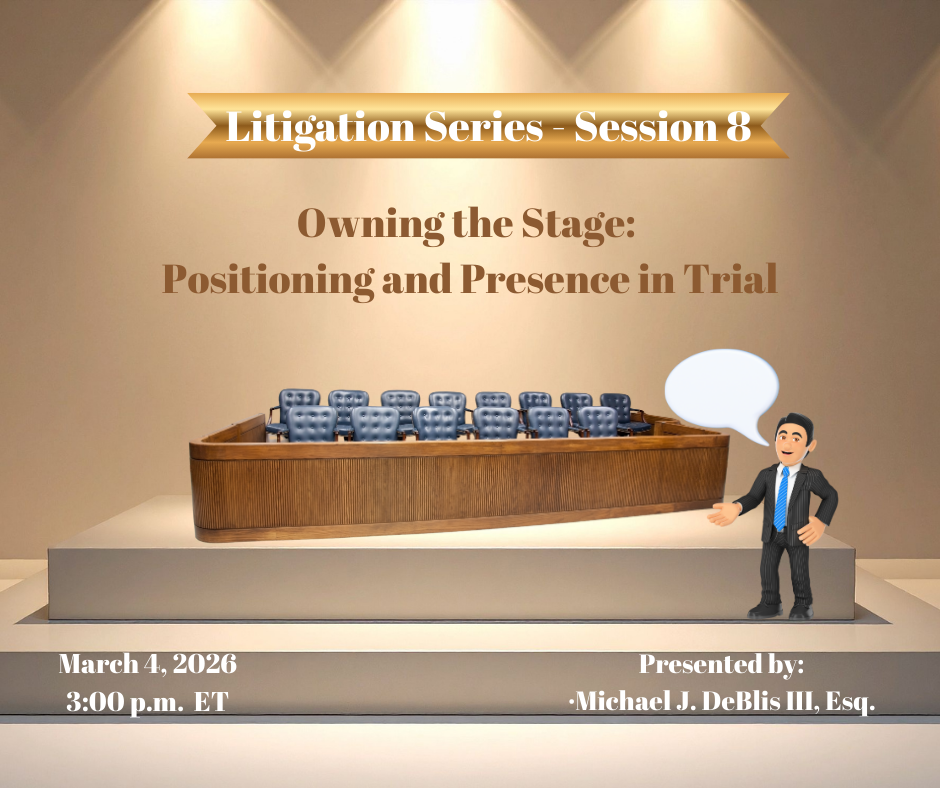
This presentation explores courtroom staging—how movement, spatial awareness, posture, and pre...
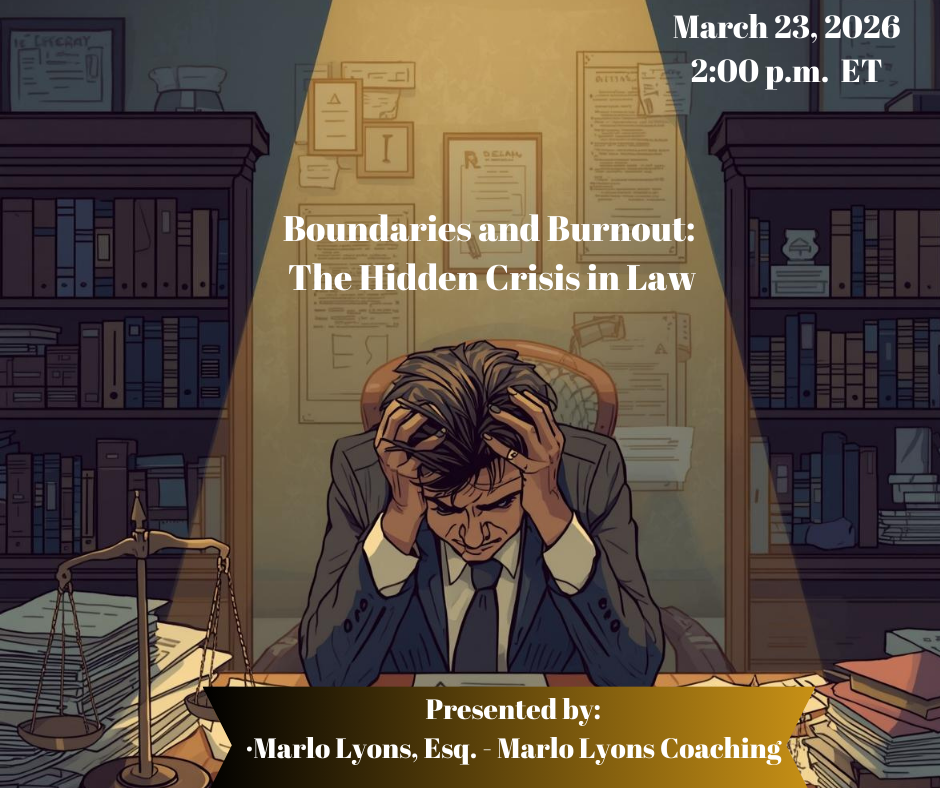
Boundaries and Burnout: The Hidden Crisis in Law is a 60-minute California MCLE Competence Credit pr...

Successful personal injury defense practice requires far more than strong legal arguments—it d...