
Exciting new series on “Voice, Body and Movement for Lawyers – How to connect with the jury and find Justice Through Dramatic Technique!”
Click here to find out more
Attorneys hopefully recognize that, like many other professionals, their lives are filled to the brim with stress. It’s important to be proactive in dealing with it. The consequences of shrugging it off can be catastrophic - not only for them but for their family, staff and friends.
And then there’s trauma. The ramifications of trauma aren’t discussed as frequently as those of stress and thus, for many attorneys, trauma is a topic in need of attention. Trauma can be secondary or vicarious. For example, it can be the cumulative effect of listening to a client or witness relay graphic stories and experiences, viewing gruesome photos in a personal injury, criminal or family law matter or hearing traumatic testimony at trial. Trauma also results from a personal loss such as the death of a family member or a close friend. It’s important to recognize the signs of trauma in yourself as well as in your clients, office staff and families.
Hear from our experienced speaker as he shares his personal story of trauma and learn how you can recognize the unhealthy and potentially life threatening shadow it can cast.
Recent studies have shown that there has been a dramatic increase in impairment due to alcoholism, addiction and mental health disorders among members of the legal profession. The statistics are compelling and clearly indicate that 1 out of 3 attorneys will likely have a need for substance use or mental health services at some point in their careers.
Mr. Quinn will discuss:
1. The early warning signs of impairment, with special emphasis on secondary or vicarious trauma.
2. The free services that Lawyers Assistance Programs provide to lawyers, judges, their family members and law students.
3. A close look at what barriers exist that prevent lawyers from seeking the help they need will be provided.
4. The role that education plays in breaking the stigma and fear associated with addiction and mental illness in the legal profession.
5. How best to approach the impaired individual.
6. Ethical considerations regarding the duty to report an impaired attorney and the exceptions granted to Lawyer and Judicial assistance programs.
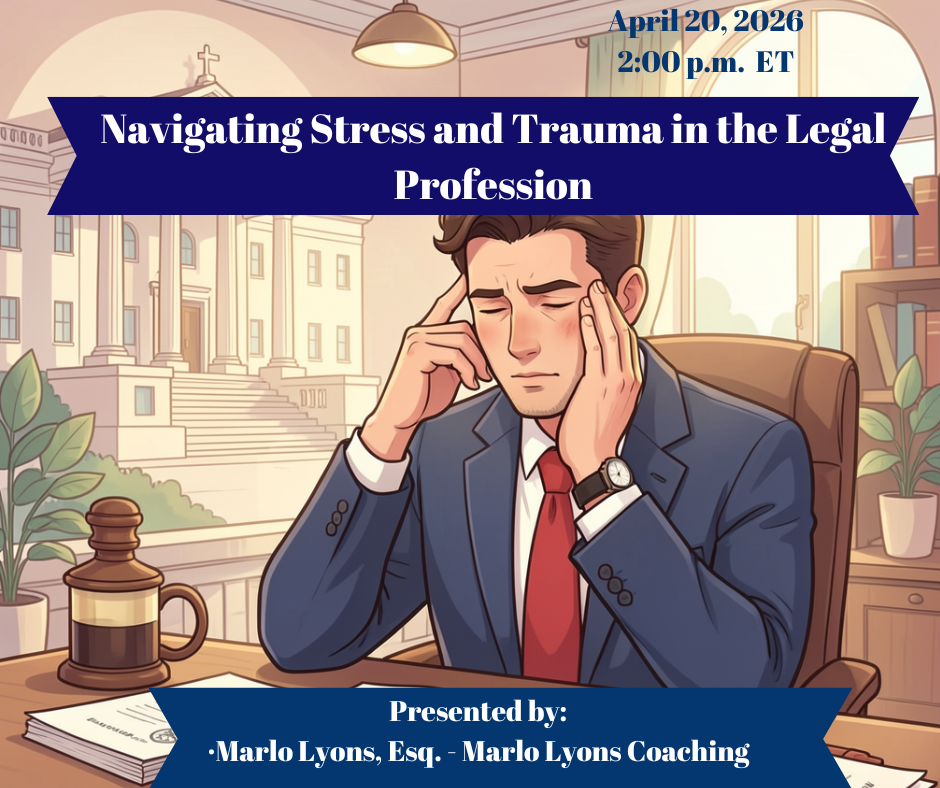
Navigating Stress and Trauma in the Legal Profession, explores the unique challenges faced by legal ...
Disasters, whether natural or manmade, happen. Disasters can impact the practice of law and, among o...
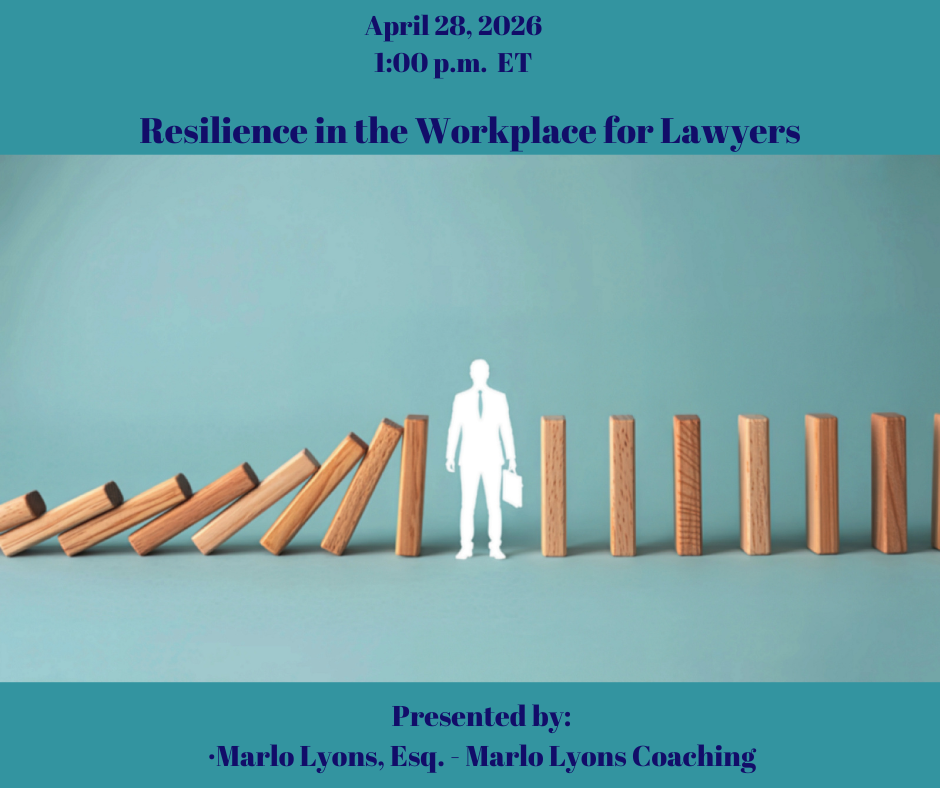
Resilience in the Workplace, delves into the critical importance of resilience in navigating the cha...
This program will address the ethical obligations of Lawyer Advocates representing clients in arbitr...

As law firms increasingly transition from paper-based disbursements to electronic payment systems&md...

Contracting with the Federal Government is not like a business deal between two companies or a contr...

Many solo and small law firms assume AI governance is something only large firms need. It is not. AI...

The landscape of global finance is undergoing a seismic shift as traditional assets migrate to the b...
This program examines listening as an active, strategic trial advocacy skill rather than a passive c...
‘A Lawyer’s Guide To Mental Fitness’ is a seminar designed to equip professionals ...