
Exciting new series on “Voice, Body and Movement for Lawyers – How to connect with the jury and find Justice Through Dramatic Technique!”
Click here to find out more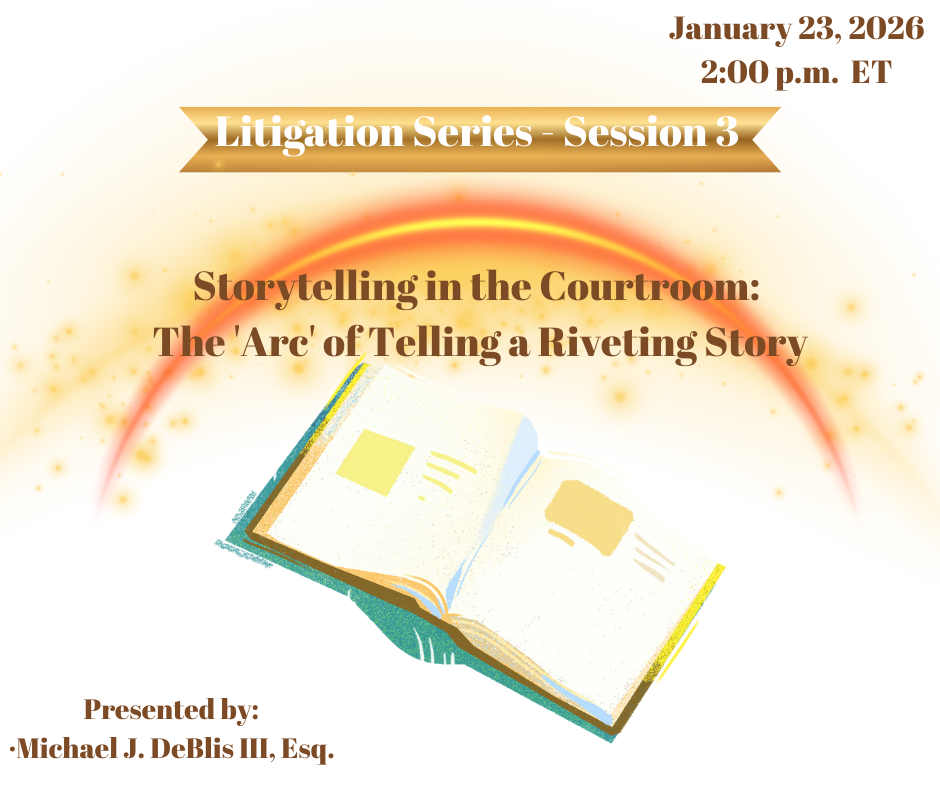
This program explains the architecture of storytelling in the courtroom, using narrative arc, rhythm, and character development to transform facts into compelling human drama. Drawing parallels to theater and literature, it illustrates how lawyers can use pacing, tension, and emotional logic to guide jurors through a persuasive journey.
The program reinforces that story—not data—is what moves people, and that an attorney who understands narrative mechanics can communicate more clearly, vividly, and memorably.
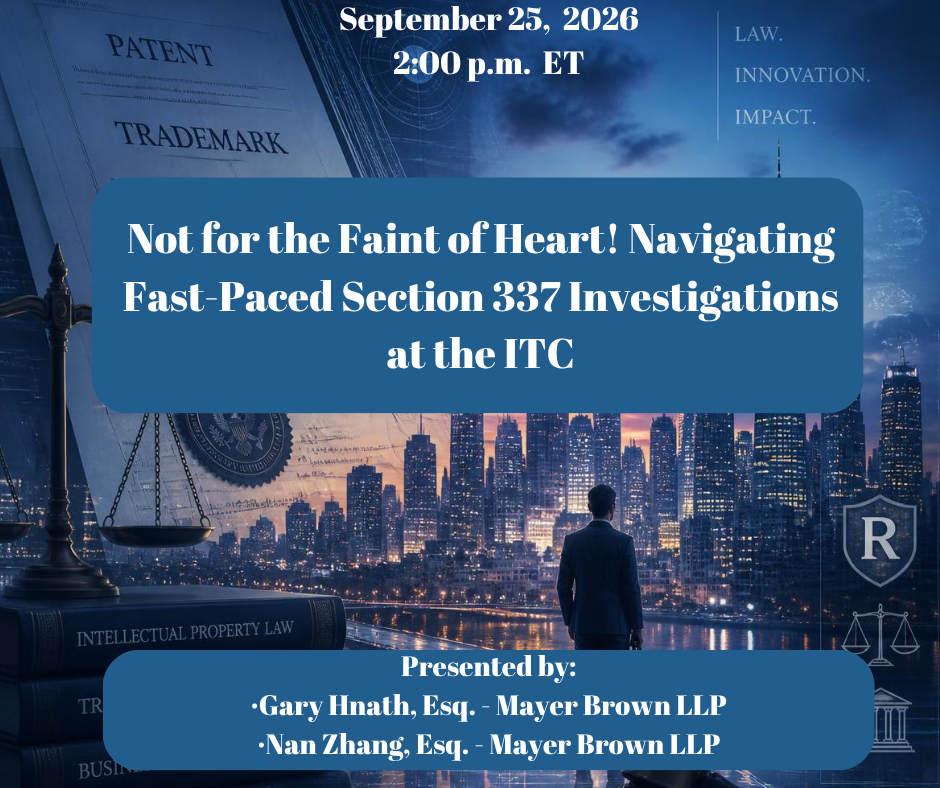
Section 337 provides powerful, efficient and rapid remedies for a wide range of unfair methods of co...
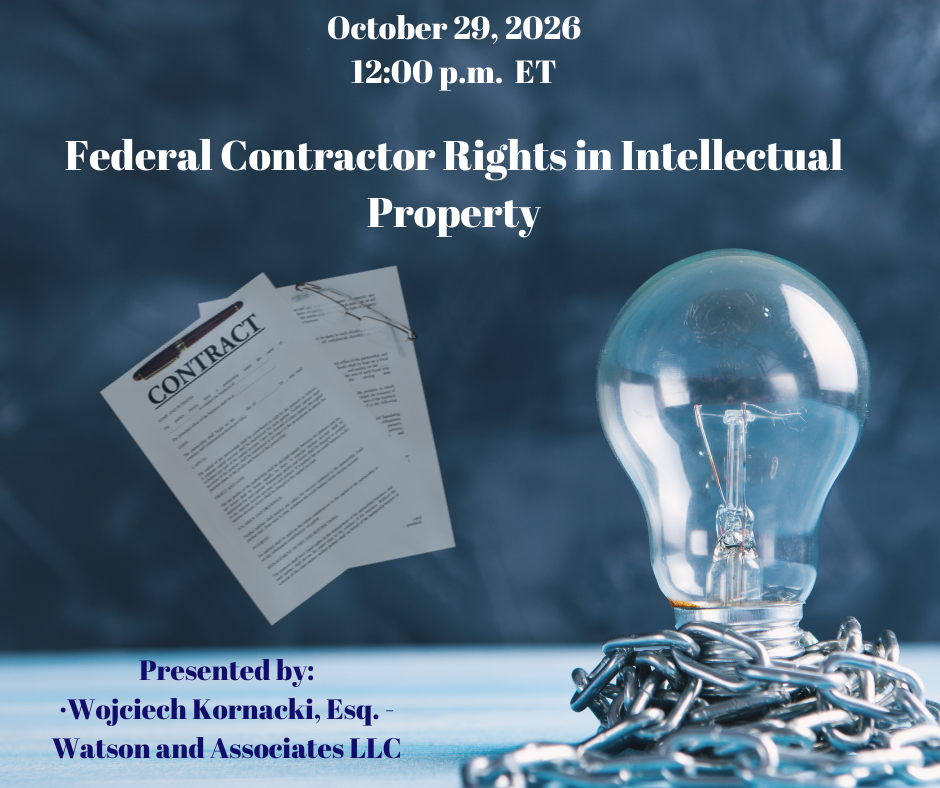
During this course, you will learn about best practices and strategies for retaining intellectual pr...
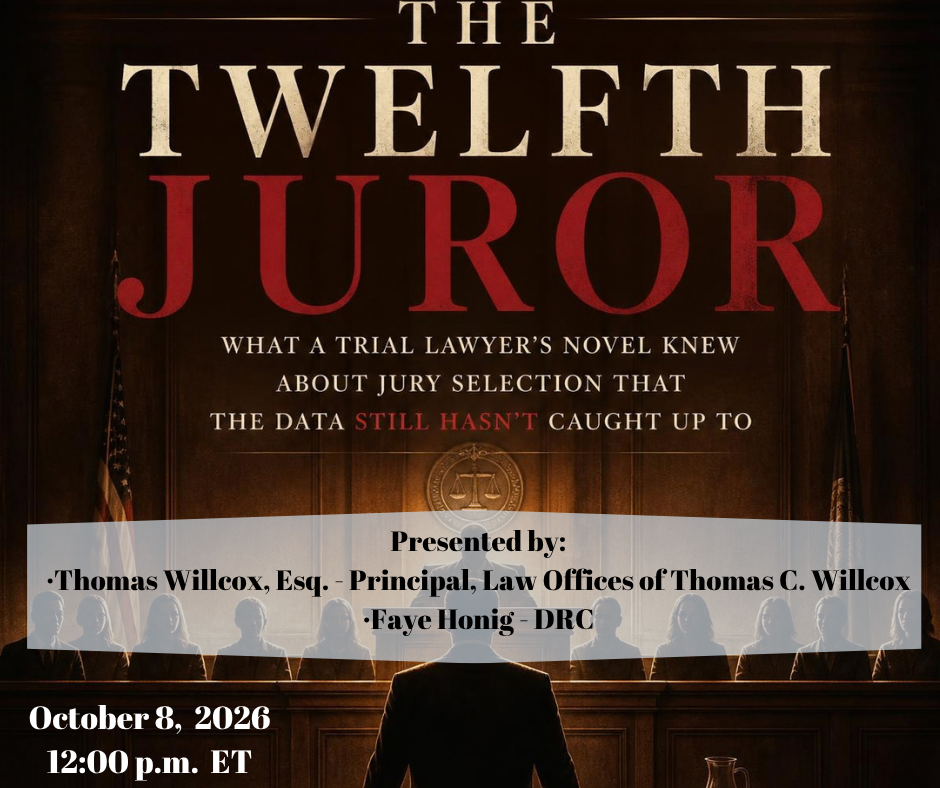
The Twelfth Juror: Lessons on Jury Selection from a Trial Lawyer’s Novel and a Trial Consultan...
Every trial lawyer has experienced it: the inner critic before opening statements, the surge of ange...
The Aftermath of Scams and Cybercrime: A Practical Guide to Response and Recovery examines the immed...
Abrasive or burned out? Overworked or uncivil? Zealous advocate or bully? The legal profession is c...
As the largest purchaser of goods and services in the world, the United States Government requires f...
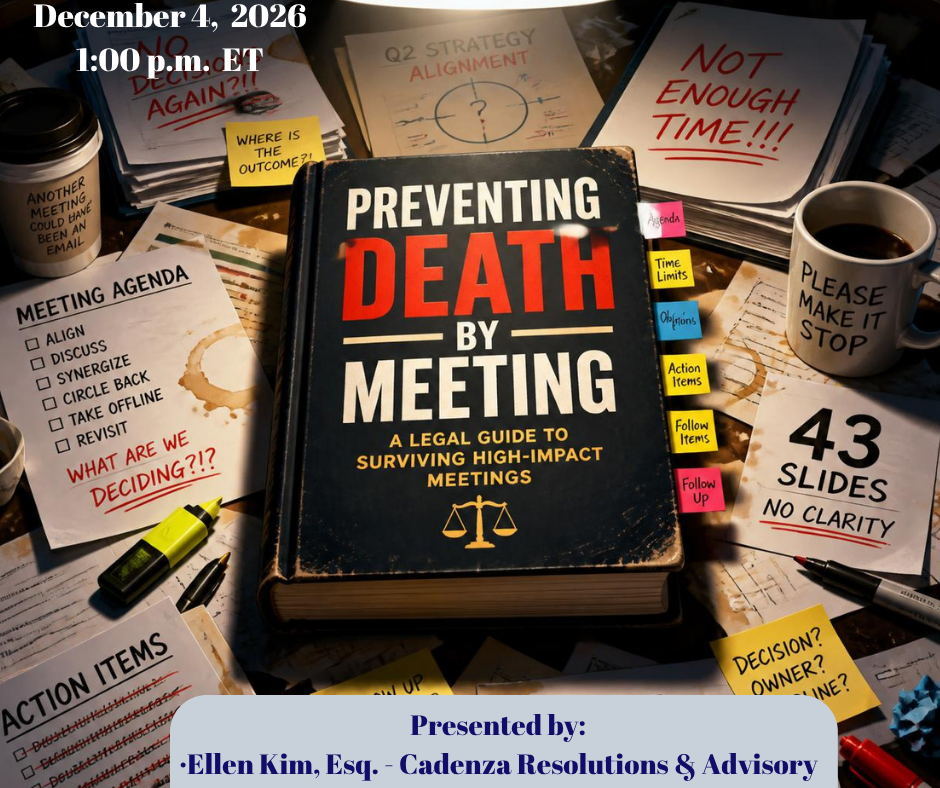
Lawyers lose hundreds of billable and operational hours every year to poorly managed meetings. Unfoc...
"Artificial Intelligence and the Practice of Law" (updated through 2026), is a 50-slide primer desig...
Open-source AI models have gone from niche developer tools to enterprise essentials almost overnight...