
Exciting new series on “Voice, Body and Movement for Lawyers – How to connect with the jury and find Justice Through Dramatic Technique!”
Click here to find out more
The program will briefly describe the history of legal cannabis use in New Jersey, including the Compassionate Use Act, the Honig amendments, and the most recent Cannabis Regulatory, Enforcement Assistance, and Marketplace Modernization Act. The focus of the program will be on prohibited adverse employment actions against cannabis users; requirements for Workplace Impairment Recognition Expert certifications; and employment actions that remain permissible. The program is designed to introduce employment lawyers to the new legal rights and obligations of employers and cannabis-using employees.
This seminar concerns a scope, jurisdiction, and exceptions to the Federal Arbitration Act. The Act ...

The practice of law places legal professionals under extraordinary and often chronic stress, making ...
This program provides a practical roadmap to mastering every stage of the discovery process in civil...

Perfectionism is often rewarded in the legal profession. It drives attention to detail, thorough pre...
Class action litigation continues to expand in both number of filings and monetary exposure, with se...

Data privacy remains one of the most rapid areas of growth in the class action space. Plaintiffs con...
Confidentiality Agreements (also called NDAs) are too often treated as routine. So routine, th...

During this course, you will learn about best practices and strategies for retaining intellectual pr...

This course is meant for lawyers of all levels and areas of practice, and in it, we will explore way...
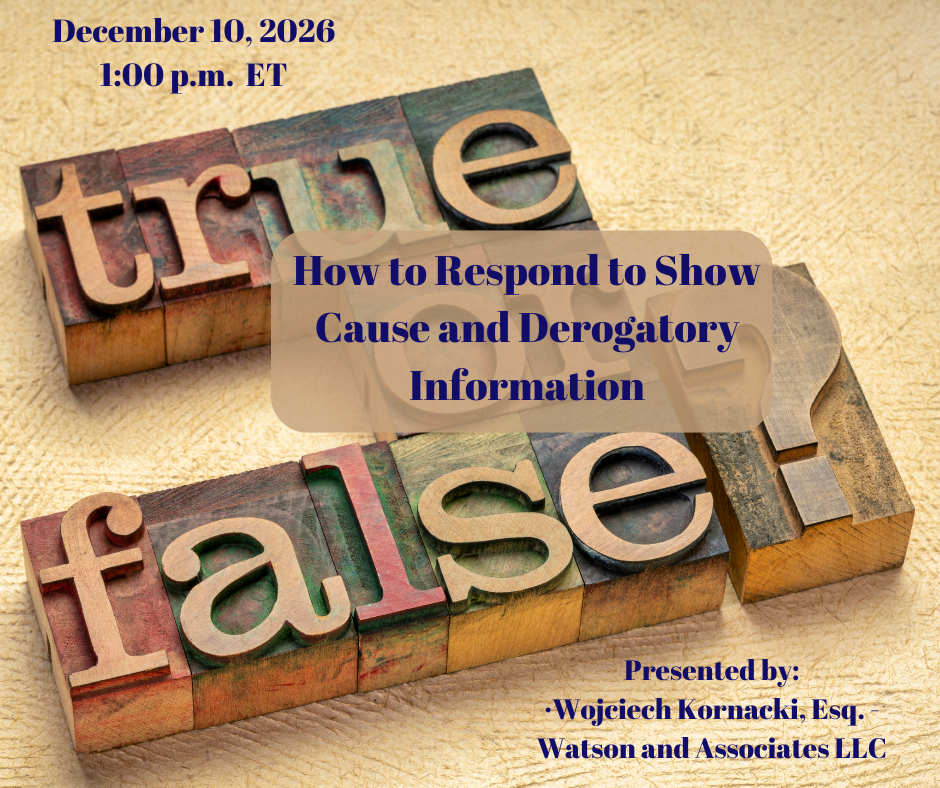
Adverse and derogatory information often has devastating effects on a contractor's ability to win co...