
Exciting new series on “Voice, Body and Movement for Lawyers – How to connect with the jury and find Justice Through Dramatic Technique!”
Click here to find out more
Not long ago, the “Force Majeure” clause embedded in the boilerplate of form construction contracts often was dismissed as a “catch-all” for potential unforeseeable and uncontrollable catastrophes, each as unlikely to happen as the next. Contractors and owners attempted to shoehorn this defense into a wide range of natural and unnatural events. Then came 2020, and with it, a new and contemporary interpretation of the traditional “force majeure” concept as COVID-19 and Federal, State, and Local governmental shutdowns wreaked havoc and uncertainty in the construction industry, the effects of which will remain for many years. While we are only beginning to scratch the surface of construction litigation and the various impacts caused by COVID-19-related shutdowns and disruptions, the current and projected effects of COVID-19 have reinforced the need and importance of carefully planning for the unexpected when negotiating construction contracts.
This program will address:
• A brief history and evolution of traditional “force majeure” provisions which date back to the Napoleonic Code
• The future role for these provisions in standard form construction contracts
• How Courts have been and might interpret the provisions to answer whether and under what circumstances COVID-19 or implications of the pandemic may qualify as a “force majeure” event
• Lessons learned and practical advice to consider about “force majeure” when drafting and interpreting construction contracts and allocating project risk imposed by unknown and uncontrollable events in the COVID-19 era
This program provides trial attorneys with a thorough grounding in the three principal currency repo...
Adverse and derogatory information often has devastating effects on a contractor's ability to win co...
Lawyers lose hundreds of billable and operational hours every year to poorly managed meetings. Unfoc...
2026 was a very important year when it comes to federal procurement developments, Artificial Intelli...
Class action waivers in arbitration agreements remain enforceable, but a decade of U.S. Supreme Cour...
During this course you will take a deep dive into federal bid protest litigation at the U.S. Court o...
This program provides a practical roadmap to mastering every stage of the discovery process in civil...
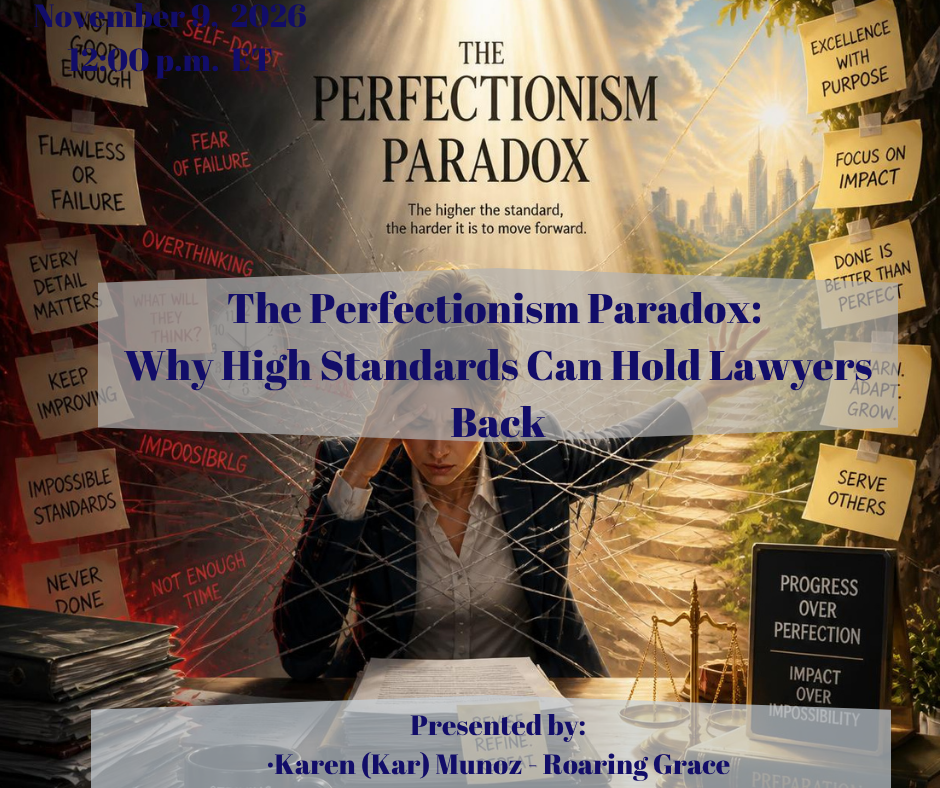
Perfectionism is often rewarded in the legal profession. It drives attention to detail, thorough pre...

This course is meant for lawyers of all levels and areas of practice, and in it, we will explore way...
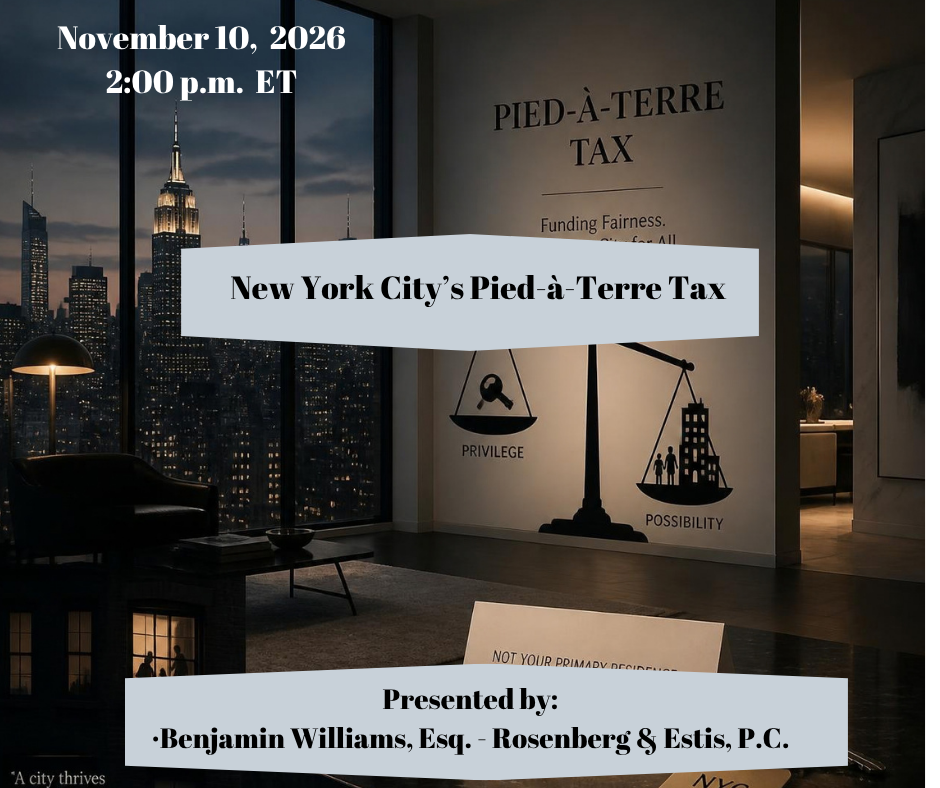
New York City’s new Non-Primary Residence Property Surcharge—commonly known as the pied-...