
Exciting new series on “Voice, Body and Movement for Lawyers – How to connect with the jury and find Justice Through Dramatic Technique!”
Click here to find out more
AI provides exciting opportunities for lawyers to supplement their legal expertise and complete tasks with greater efficiency. It is also fraught with ethical risks. For this reason, lawyers should exercise caution in entrusting tasks to AI and, if and when they do, scrutinize the work it produces.
This ethics CLE will examine the relevant ABA Model Rules of Professional Conduct implicated by AI use. It will describe the opportunities afforded by AI, and how they intersect with critical rules of professional conduct including Rules 1.1, mandating that lawyers be competent in relevant technology, 5.3, requiring lawyers supervise those who report to them, 1.6, requiring that lawyers keep client confidences, and 1.4, providing standards governing how often and about what lawyers have to communicate with their clients. This program provides practical guidance about how to comply with your ethical obligations while reaping the benefits of AI.

During this course, you will learn about best practices and strategies for retaining intellectual pr...
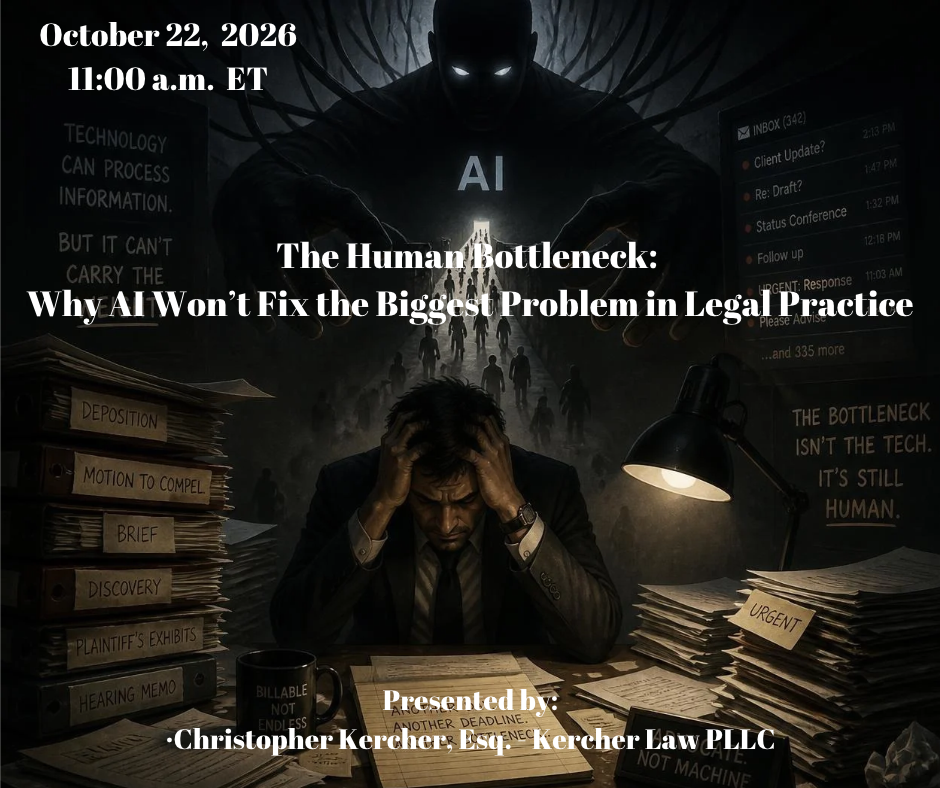
AI tools are advancing faster than legal organizations can absorb them. This program examines why th...
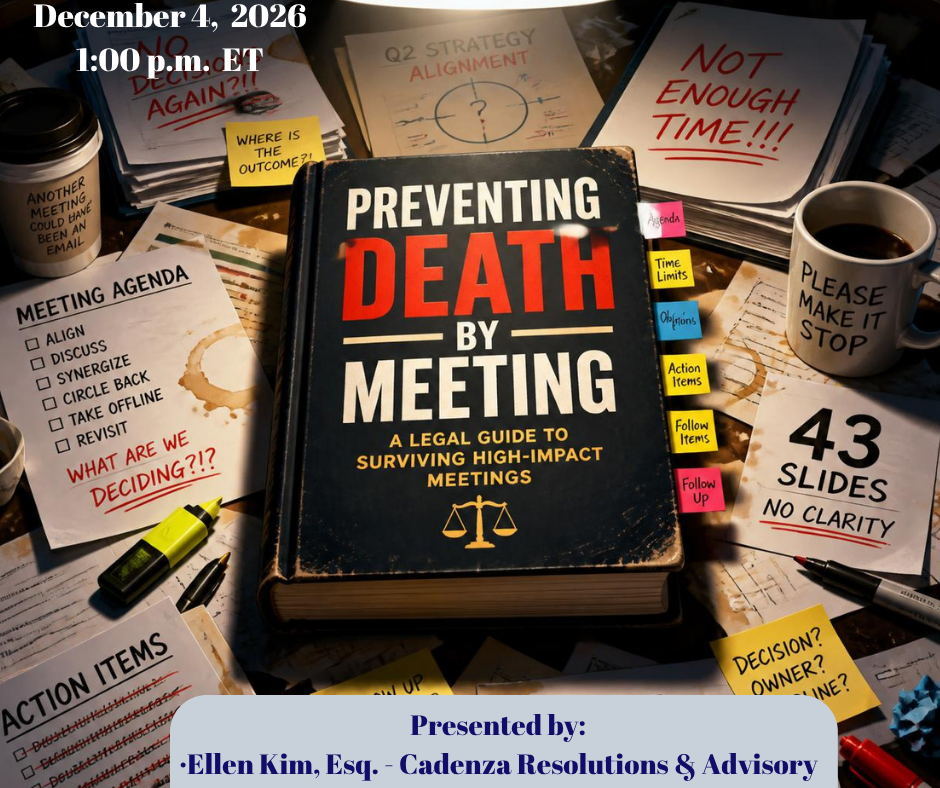
Lawyers lose hundreds of billable and operational hours every year to poorly managed meetings. Unfoc...

This course on trade secrets litigation provides real-world best practices through all key stages of...
This program provides trial attorneys with a thorough grounding in the three principal currency repo...
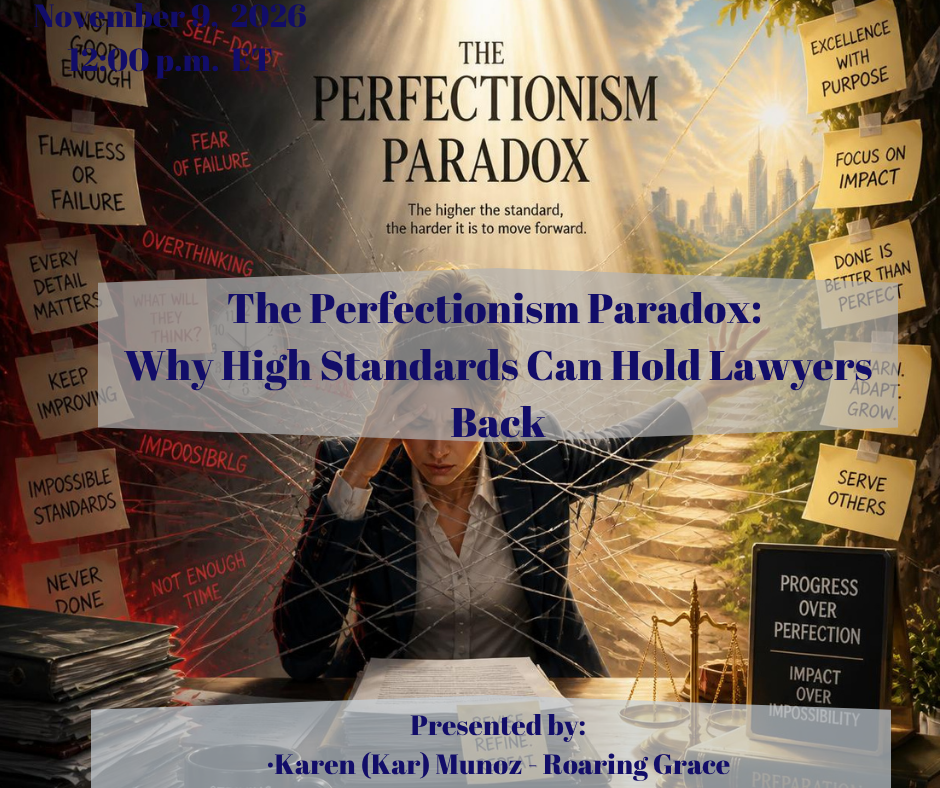
Perfectionism is often rewarded in the legal profession. It drives attention to detail, thorough pre...
This program will discuss how to design and implement legally sound diversity, equity, and inclusion...
New York City’s new Non-Primary Residence Property Surcharge—commonly known as the pied-...
"Artificial Intelligence and the Practice of Law" (updated through 2026), is a 50-slide primer desig...
Class action litigation presents significant legal and business challenges for employers and corpora...