
Exciting new series on “Voice, Body and Movement for Lawyers – How to connect with the jury and find Justice Through Dramatic Technique!”
Click here to find out more
The CLE program will explore the use in federal court of state laws meant to prevent what are known as strategic lawsuits against public participation. These laws, known as Anti-SLAPP laws, were enacted to stop people from using the court system to intimidate people into not exercising their free speech rights to discuss public subjects out of fear they will have to incur significant legal expenses in defending a lawsuit challenging their views.
The CLE program will focus on the dispute among the federal courts about whether to apply those state laws, which often have heightened pleading requirements and provide for the prevailing defendant to recover attorney's fees.
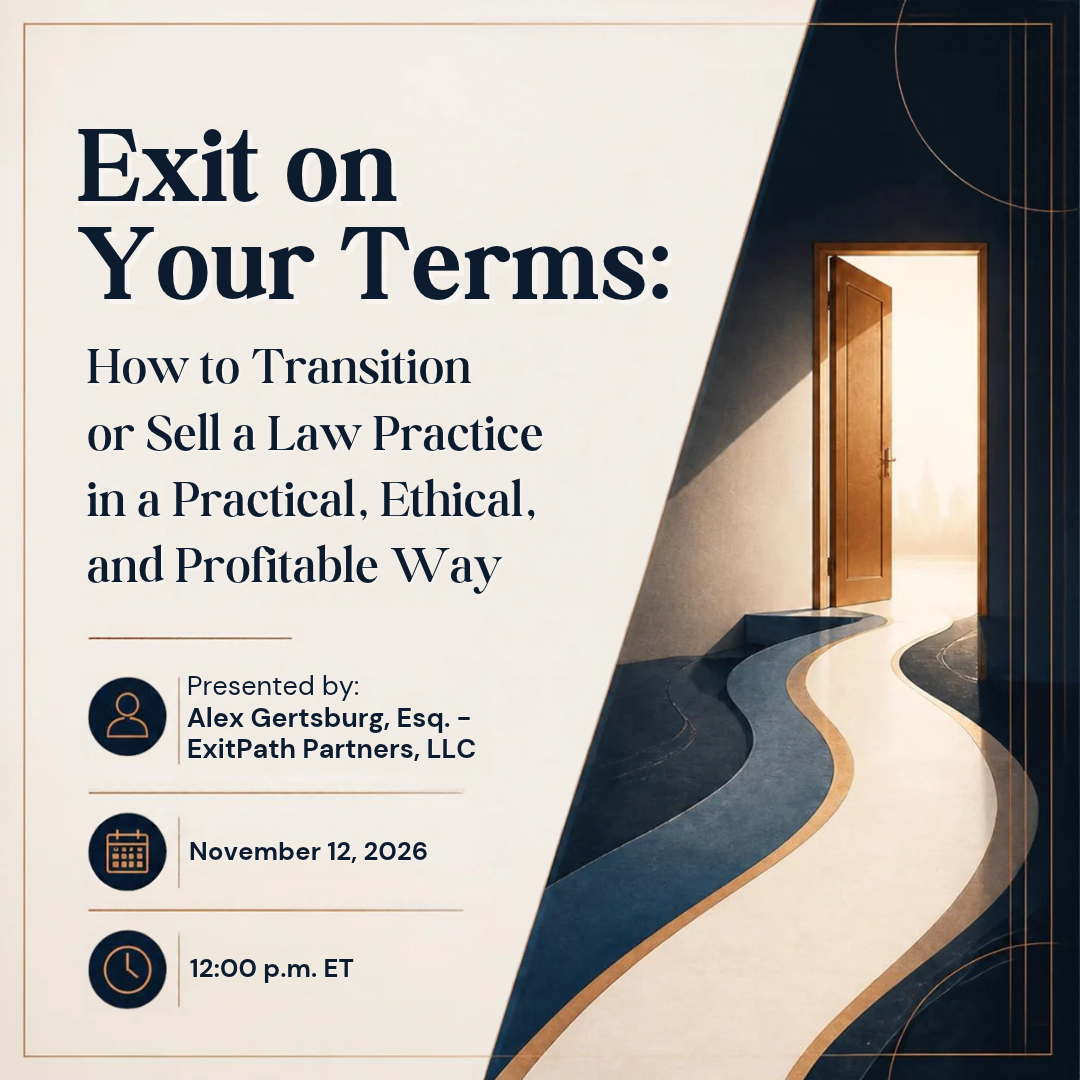
Turn decades of client relationships into lasting equity. This practical CLE shows attorneys how to ...
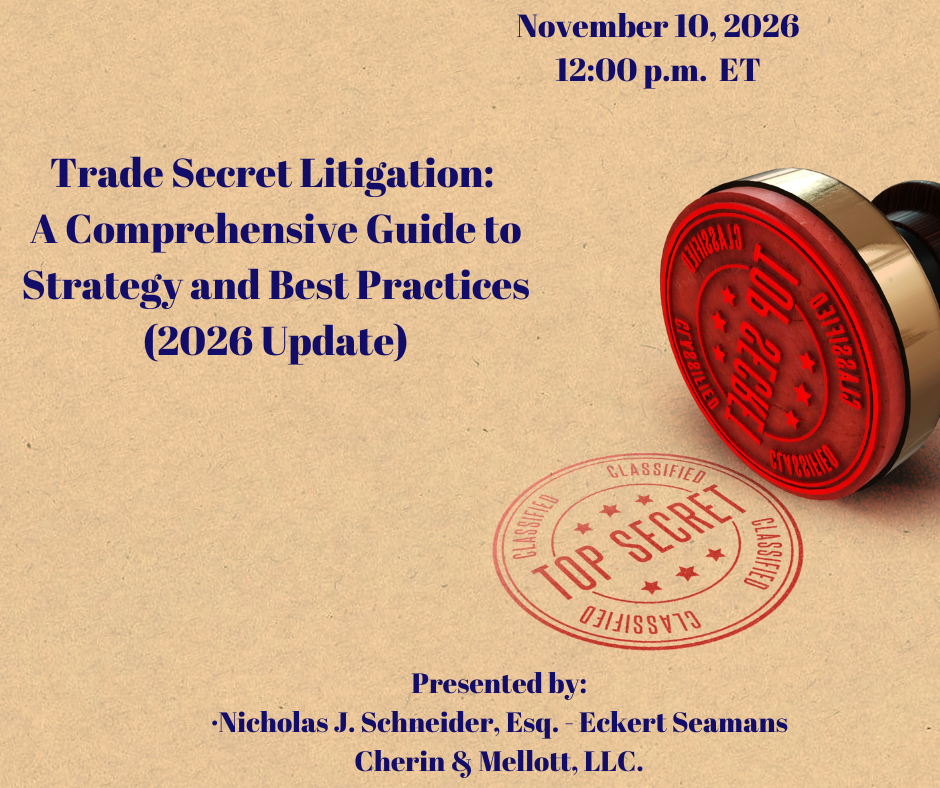
This course on trade secrets litigation provides real-world best practices through all key stages of...
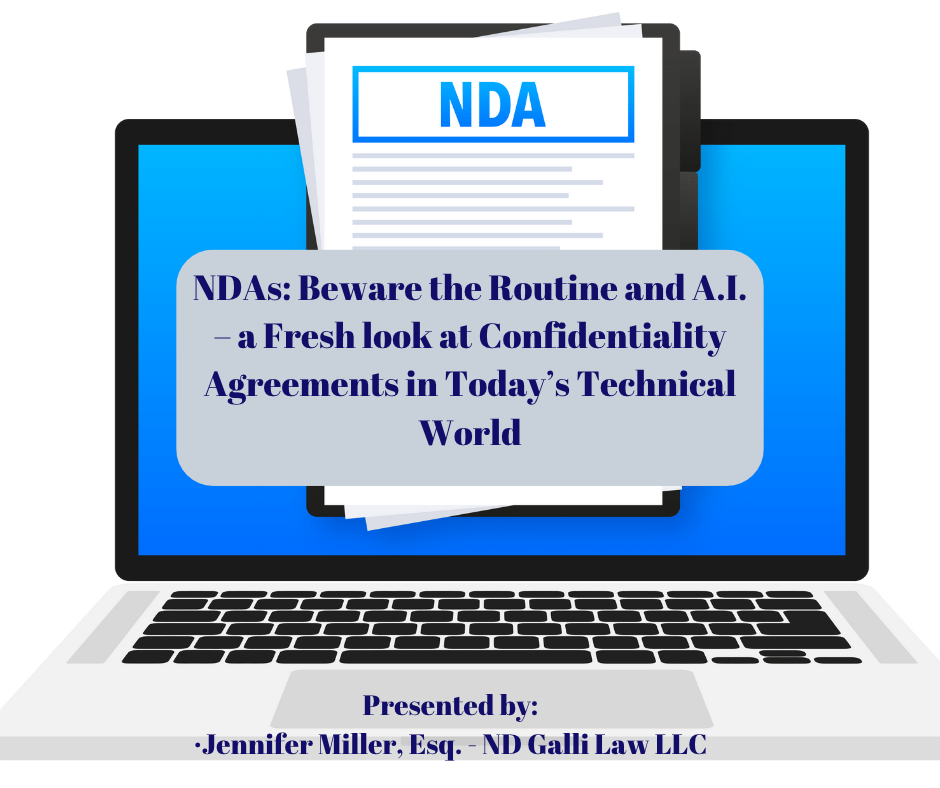
Confidentiality Agreements (also called NDAs) are too often treated as routine. So routine, th...
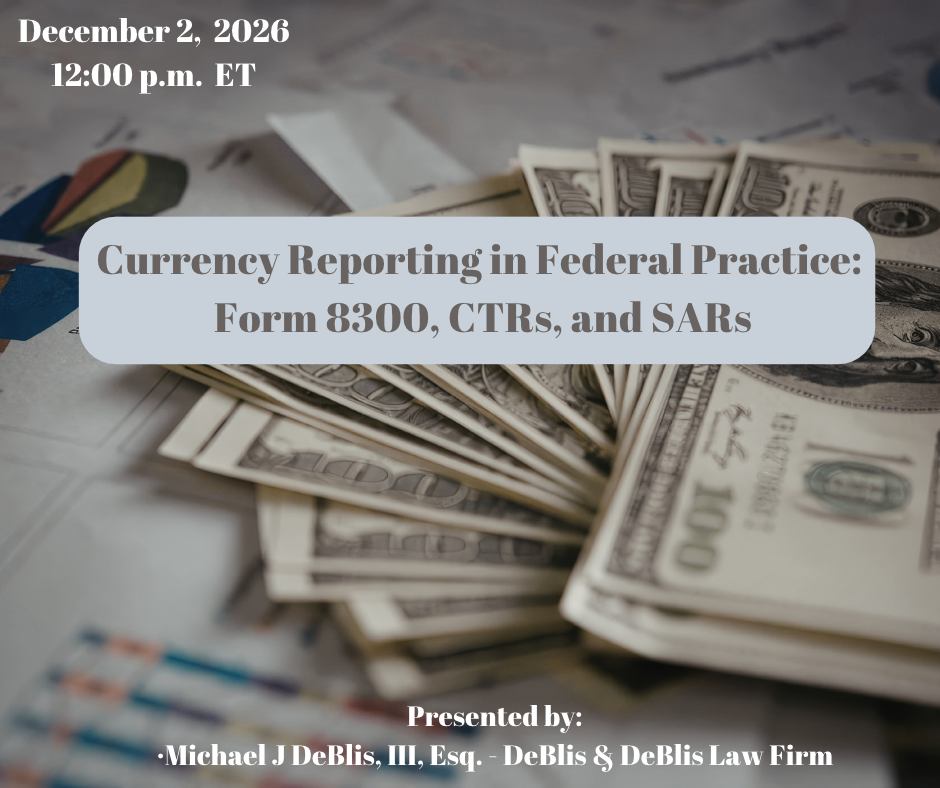
This program provides trial attorneys with a thorough grounding in the three principal currency repo...
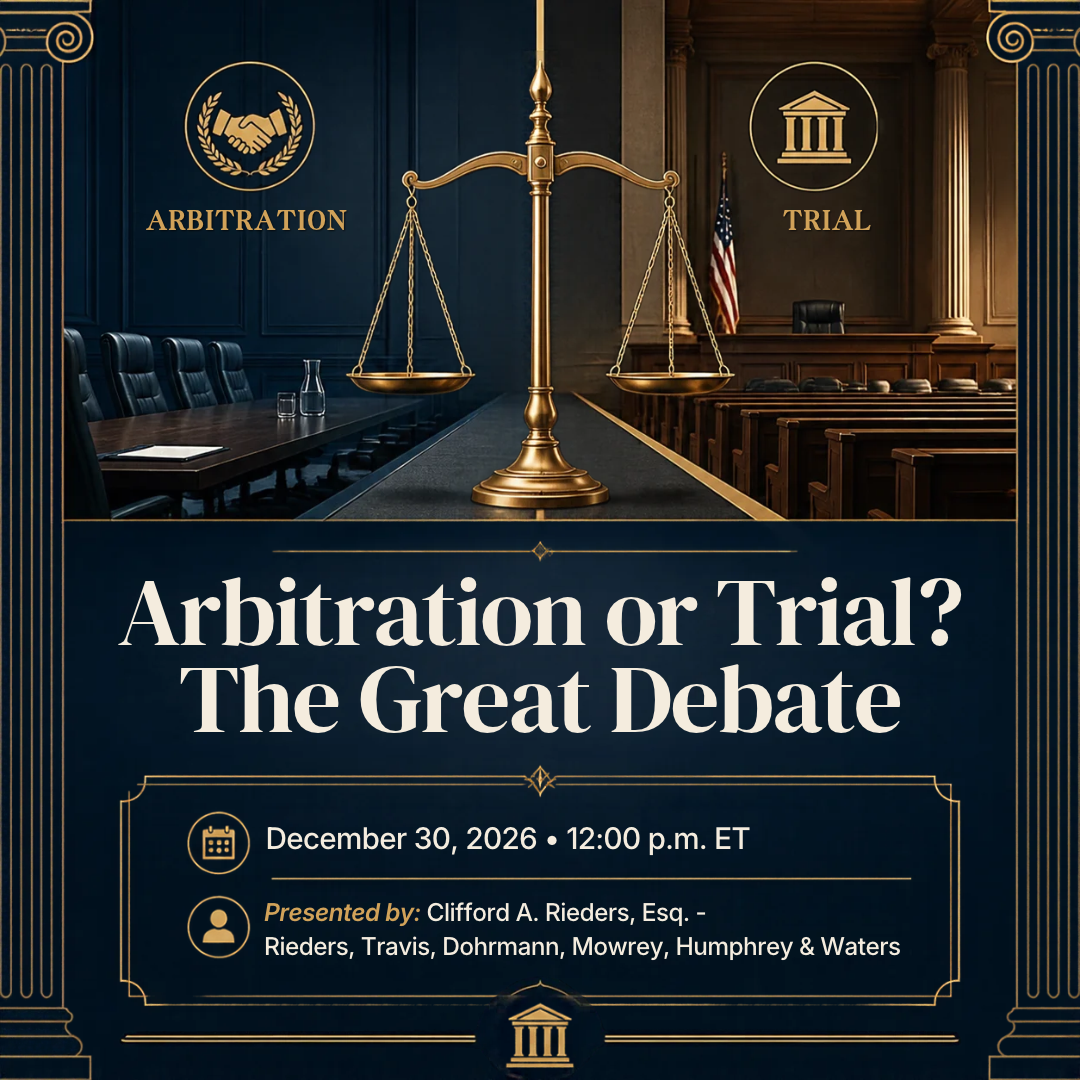
This seminar concerns a scope, jurisdiction, and exceptions to the Federal Arbitration Act. The Act ...
Class action waivers in arbitration agreements remain enforceable, but a decade of U.S. Supreme Cour...
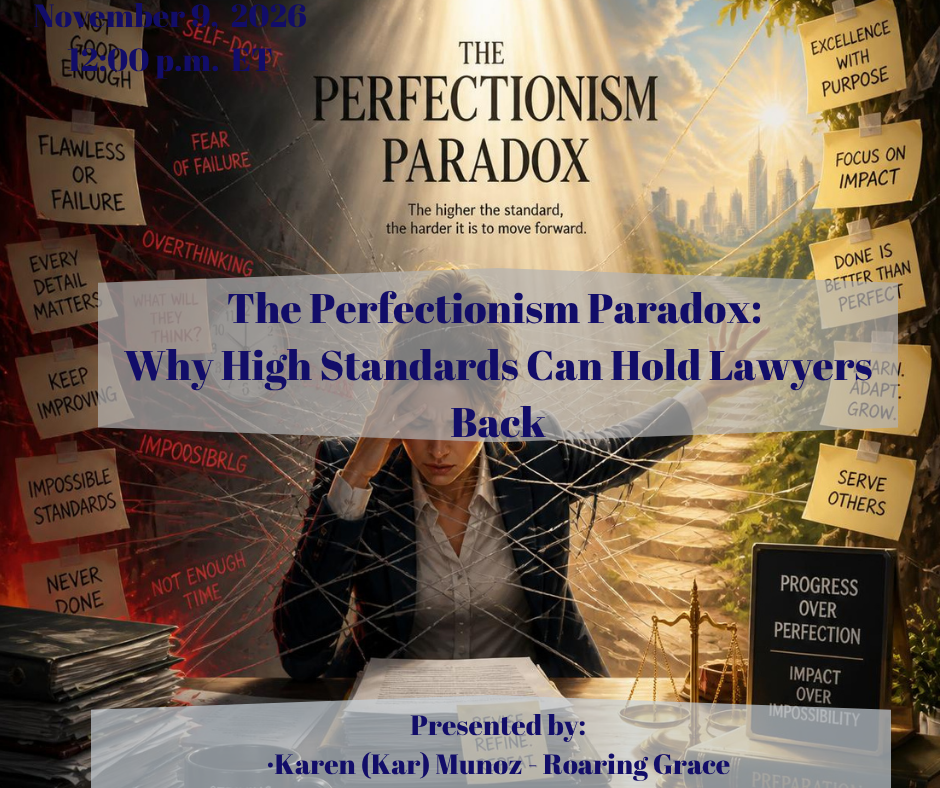
Perfectionism is often rewarded in the legal profession. It drives attention to detail, thorough pre...
This program provides a practical roadmap to mastering every stage of the discovery process in civil...
I was wrongfully separated from the military and I will get no military pay and disability retiremen...
2026 was a very important year when it comes to federal procurement developments, Artificial Intelli...