
Exciting new series on “Voice, Body and Movement for Lawyers – How to connect with the jury and find Justice Through Dramatic Technique!”
Click here to find out more
This program reframes domestic violence through the lens of “intimate terrorism,” equipping criminal defense attorneys with a deeper, trauma-informed understanding of abuse dynamics and their legal implications. Participants will examine how systemic patterns of physical, psychological, financial, sexual, and coercive control create complex trauma that profoundly shapes a defendant’s behavior, decision-making, and case posture.
The course explores how prolonged exposure to abuse impacts cognition, emotional regulation, and survival-driven behavior, often leading to actions that may appear irrational without proper context. Attorneys will learn how to identify these patterns, document them effectively, and integrate them into mitigation strategies that humanize the client.
By grounding advocacy in a trauma-informed framework, participants will be better positioned to contextualize conduct, counter bias, and present compelling narratives that support more equitable outcomes.
Learning Objectives:

Many solo and small law firms assume AI governance is something only large firms need. It is not. AI...
Evidence Demystified Part 2 covers key concepts in the law of evidence, focusing on witnesses, credi...
This program is geared towards lawyers, experts, commercial property owners, and others in the envir...
Review the basic software concepts and effective uses of generative AI, prompting strategies, and me...

In an era of heightening geopolitical tension, the protection of sensitive personal data has moved f...
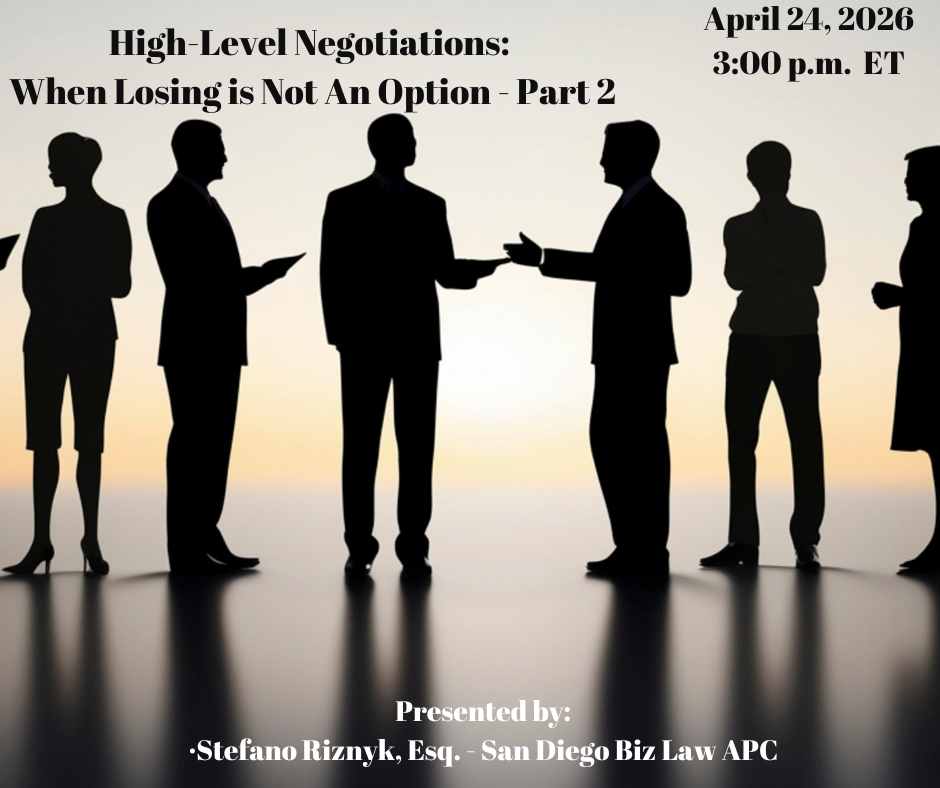
In this second segment we will continue with our journey into the multiple elements of high-level ne...
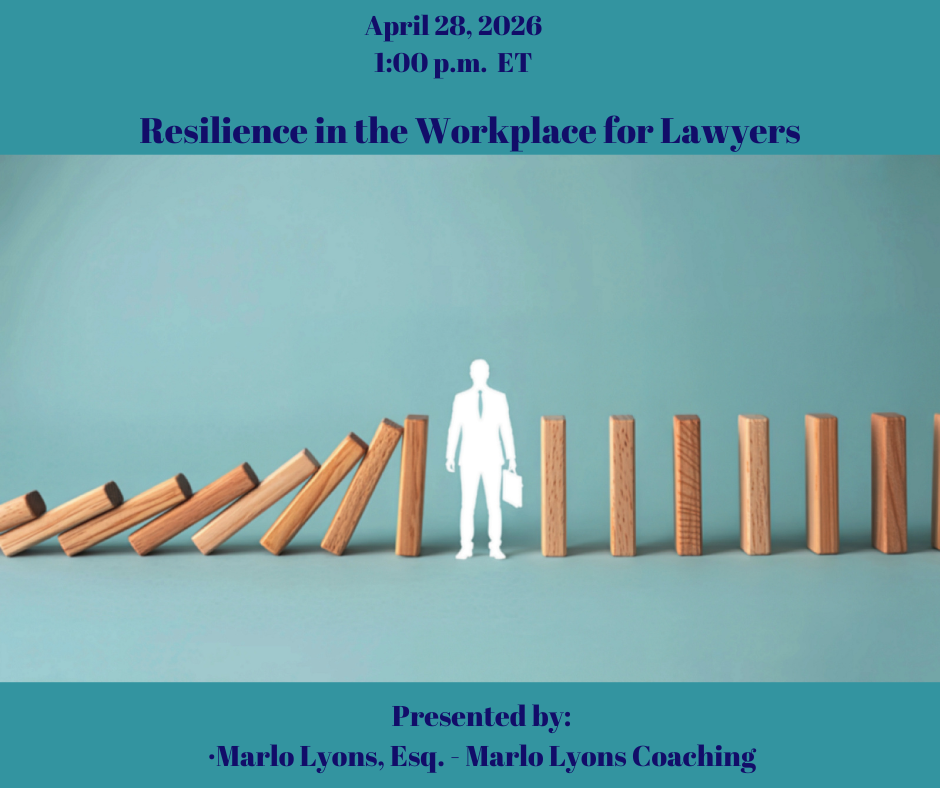
Resilience in the Workplace, delves into the critical importance of resilience in navigating the cha...
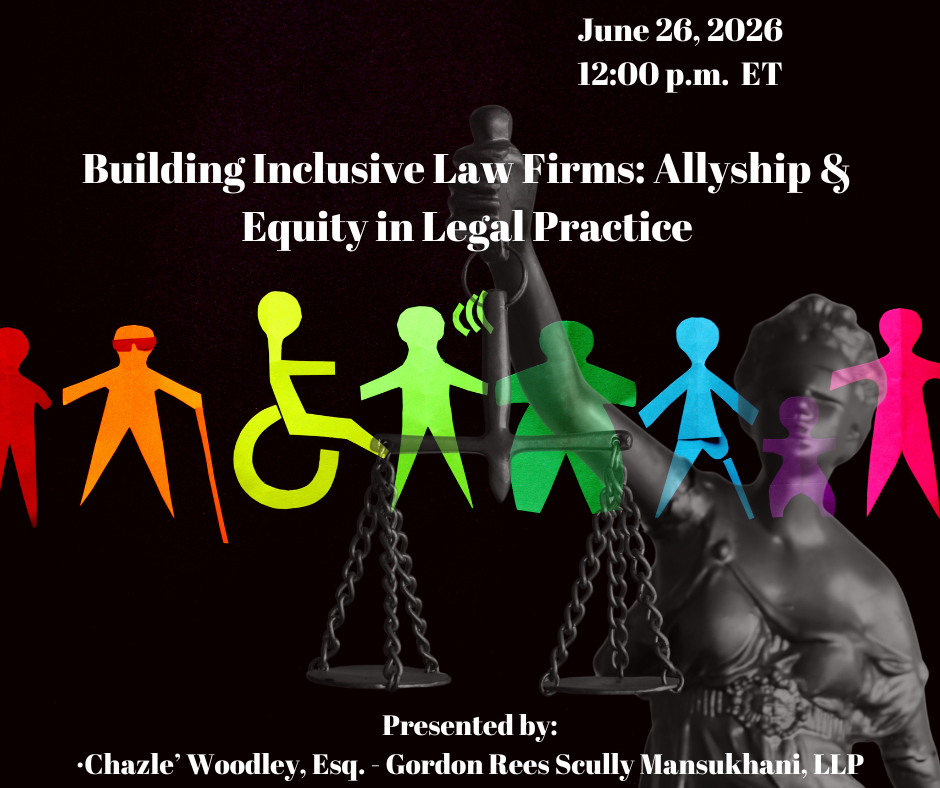
This interactive course is designed to equip legal professionals with the knowledge, tools, and stra...
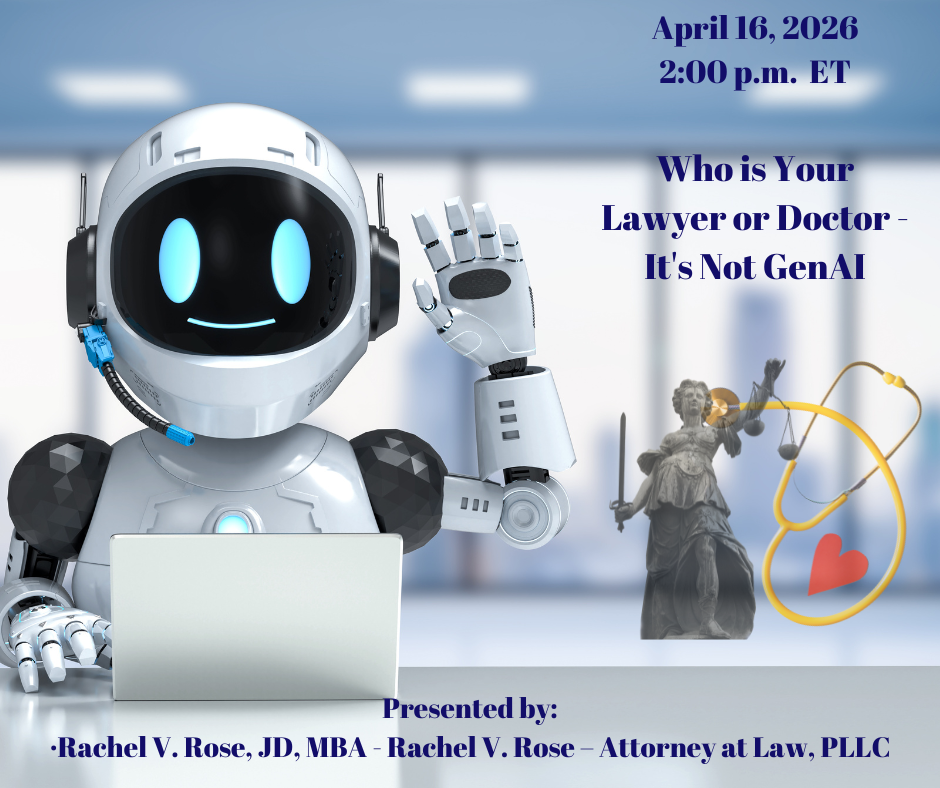
Recent court opinions, a lawsuit against OpenAI Foundation and OpenAI Group PBC aka ChatGPT for the ...
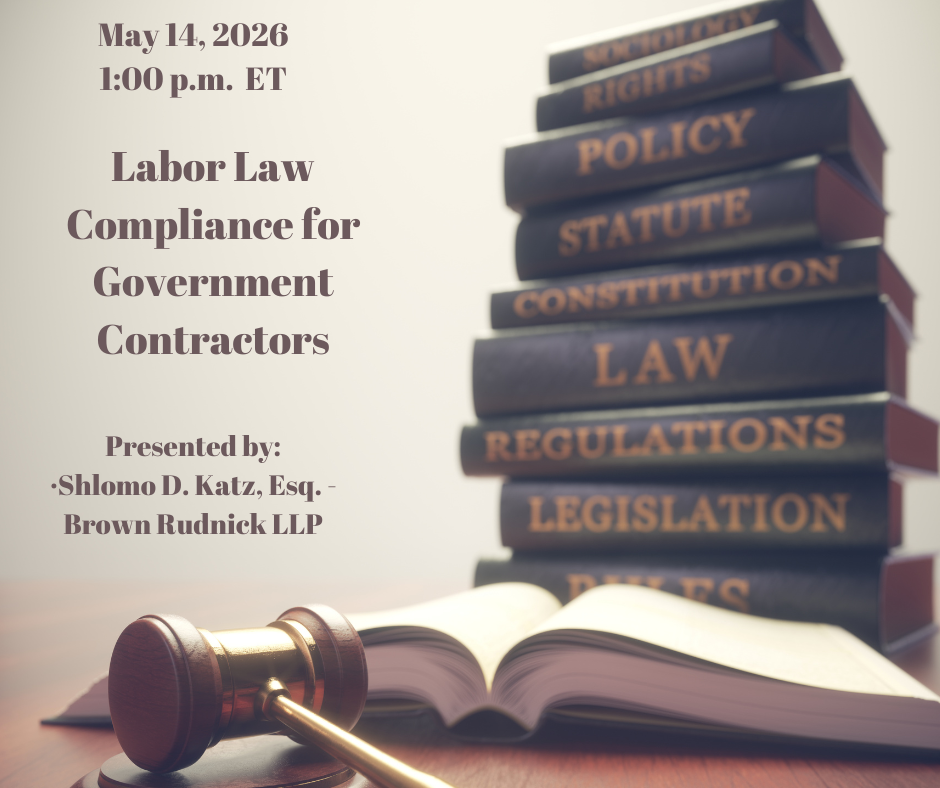
Contracting with the Federal Government is not like a business deal between two companies or a contr...