
Exciting new series on “Voice, Body and Movement for Lawyers – How to connect with the jury and find Justice Through Dramatic Technique!”
Click here to find out more
Cellphones represent one of the fastest-changing areas of legal practice. Mobile device evidence is more important than ever, thanks to the rapid evolution of the technology and the way this evidence is treated by the courts. Touching on important recent cases, technology developments, and ArcherHall direct experience advising attorneys, this presentation provides up-to-date guidance on the application of cellphone forensics in litigation, investigations, and other legal matters.

New York City’s new Non-Primary Residence Property Surcharge—commonly known as the pied-...
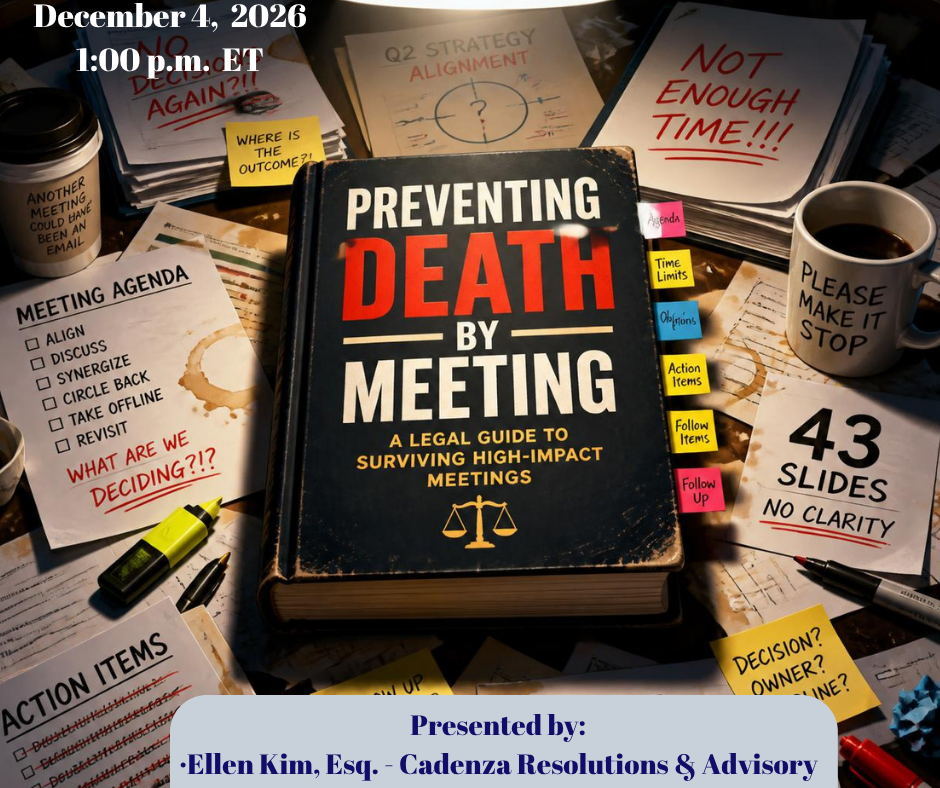
Lawyers lose hundreds of billable and operational hours every year to poorly managed meetings. Unfoc...

I was wrongfully separated from the military and I will get no military pay and disability retiremen...

Turn decades of client relationships into lasting equity. This practical CLE shows attorneys how to ...
During this course you will take a deep dive into federal bid protest litigation at the U.S. Court o...
Class action waivers in arbitration agreements remain enforceable, but a decade of U.S. Supreme Cour...
Adverse and derogatory information often has devastating effects on a contractor's ability to win co...

As the largest purchaser of goods and services in the world, the United States Government requires f...

The practice of law places legal professionals under extraordinary and often chronic stress, making ...

This course on trade secrets litigation provides real-world best practices through all key stages of...