
Exciting new series on “Voice, Body and Movement for Lawyers – How to connect with the jury and find Justice Through Dramatic Technique!”
Click here to find out more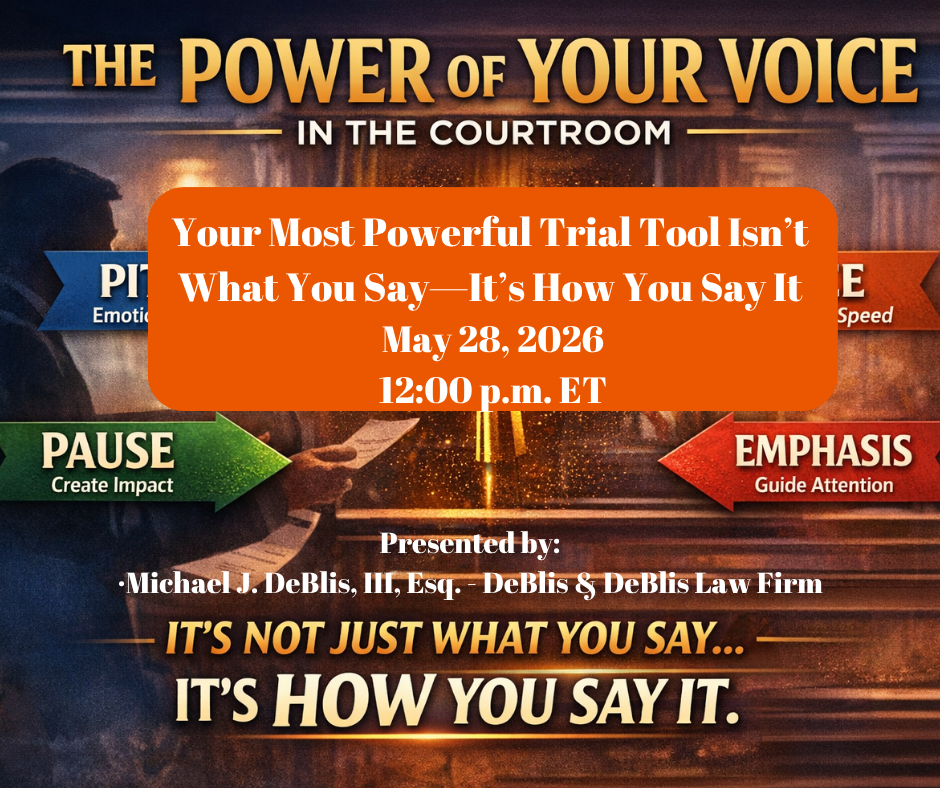
This CLE program, “Your Most Powerful Trial Tool Isn’t What You Say—It’s How You Say It,” teaches trial attorneys that delivery—not just content—is what drives persuasion in the courtroom.
The program focuses on four core voice techniques—pitch, pace, pause, and emphasis—and shows how lawyers can use them strategically to guide jurors’ attention, signal meaning, and create emotional impact without appearing overly performative.
Through explanation and a practical, annotated opening statement, it demonstrates how subtle vocal variation transforms a flat recitation of facts into a compelling narrative experience that jurors can follow and feel.
The central takeaway is that effective advocacy is not about telling the jury what to think, but about shaping how they experience the story, using voice as a “lighthouse” to quietly guide them toward the desired conclusion.
Review the basic software concepts and effective uses of generative AI, prompting strategies, and me...
This interactive course is designed to equip legal professionals with the knowledge, tools, and stra...
This program introduces psychosocial evaluations as a valuable tool in civil litigation, particularl...
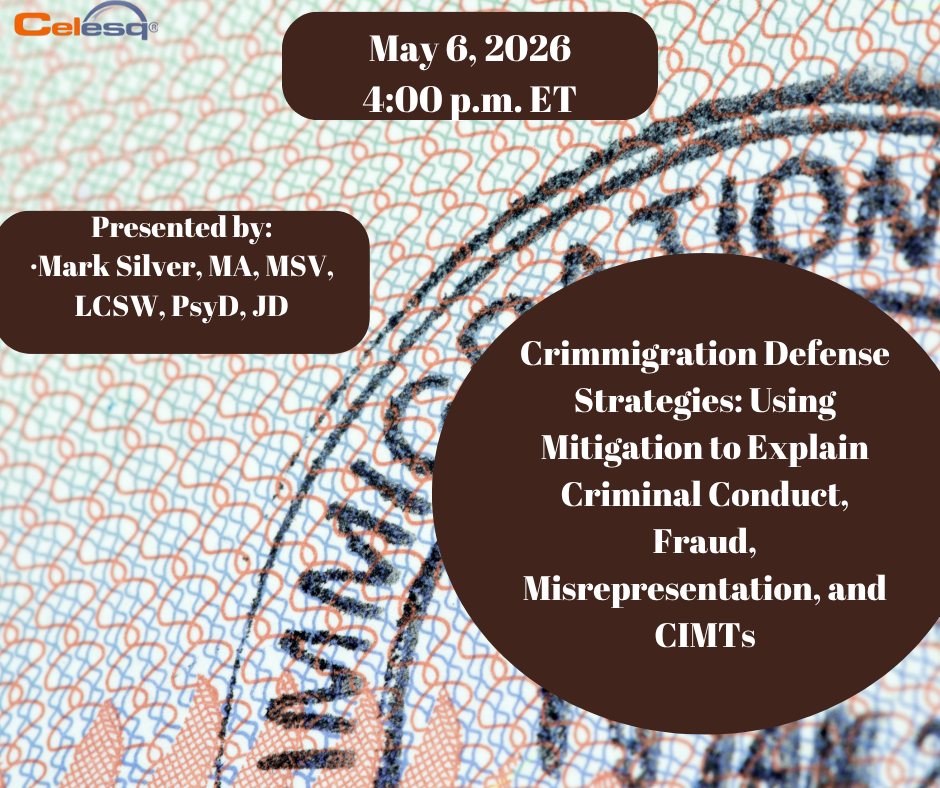
This program addresses the critical intersection of criminal and immigration law, focusing on how mi...
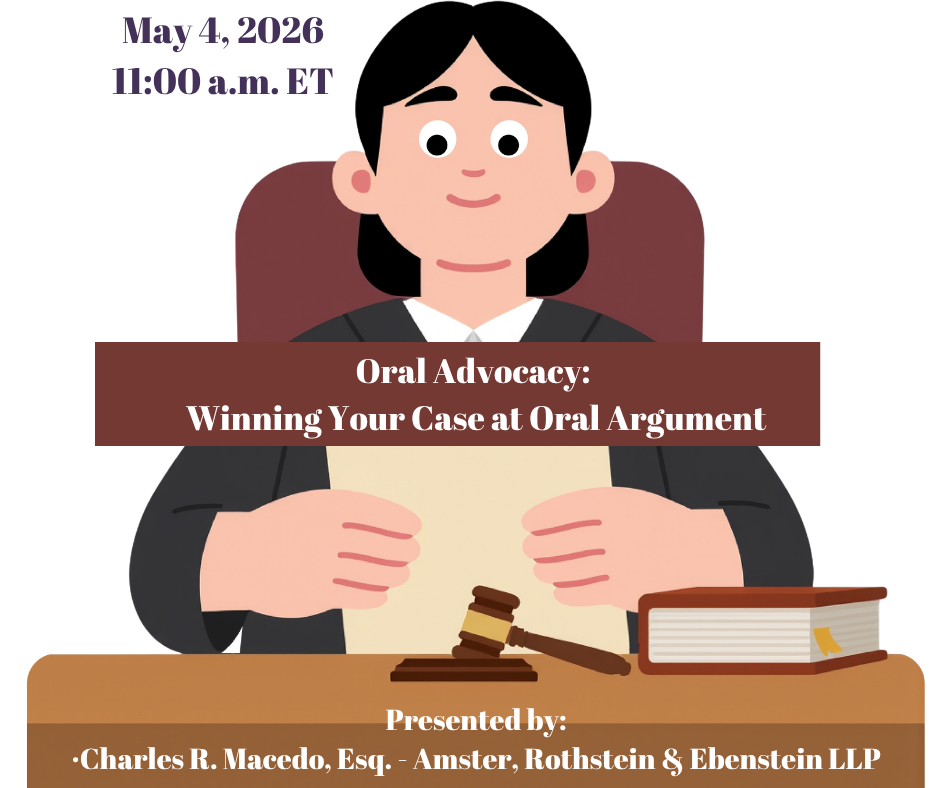
For most new attorneys, learning how to frame an oral argument can be a daunting task. L...

This course will provide a detailed overview of the Medicare Secondary Payer act as well as provide ...
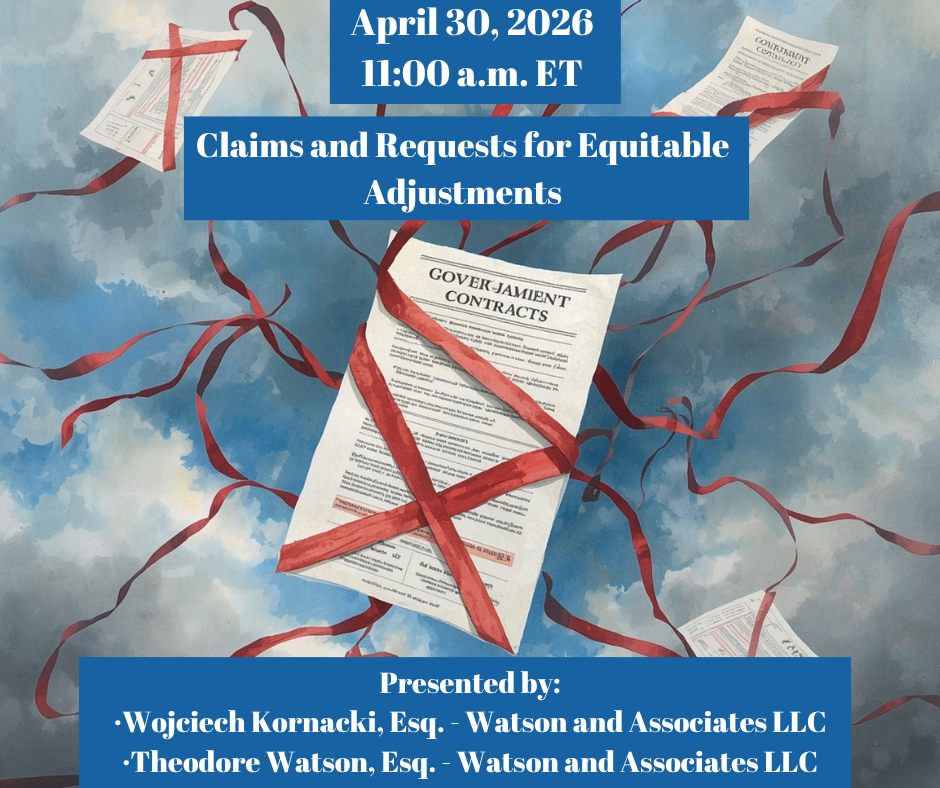
During this presentation, you will learn about the regulations and caselaw controlling claims and re...
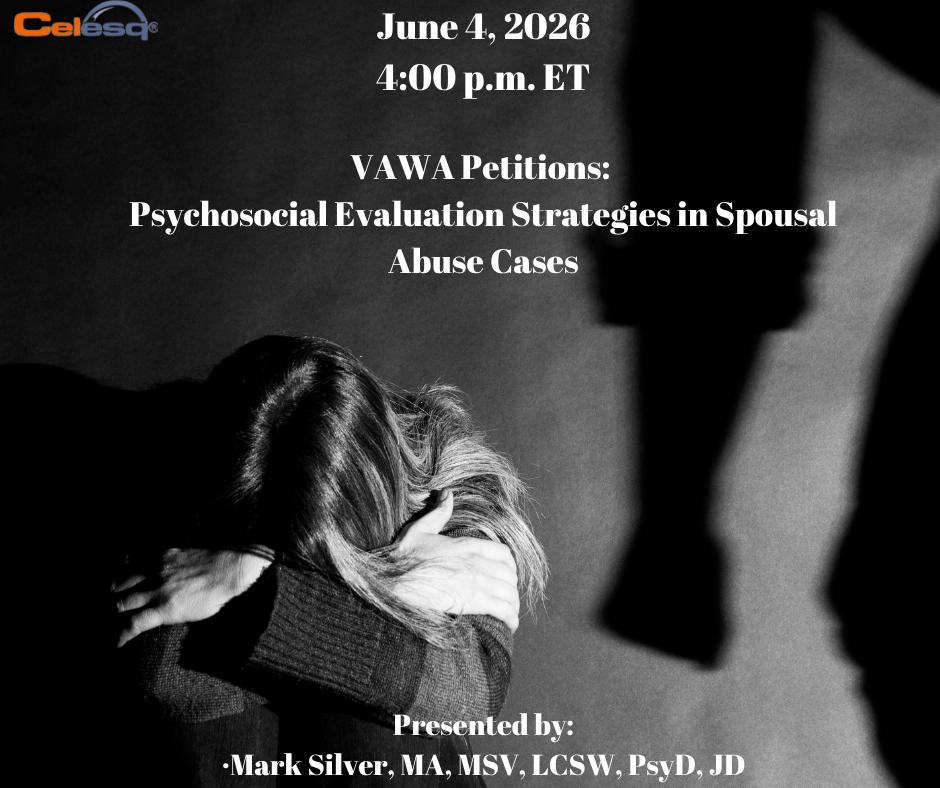
This program examines the role of psychosocial evaluations in spousal abuse-based immigration petiti...
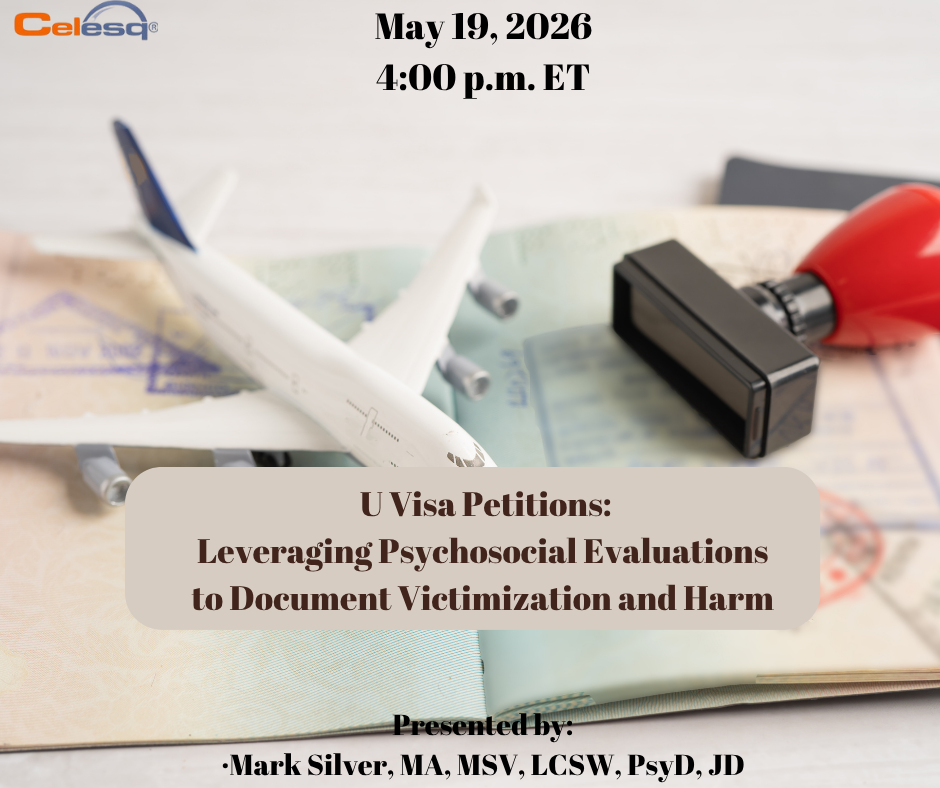
This program provides attorneys with a comprehensive framework for incorporating psychosocial evalua...
Part 1 - This program focuses specifically on cross?examining expert witnesses, whose credentials an...