
Exciting new series on “Voice, Body and Movement for Lawyers – How to connect with the jury and find Justice Through Dramatic Technique!”
Click here to find out more
As an attorney, you negotiate every day with opposing counsel, your own clients, and others at your firm. In addition to being high-stakes and consequential to all of the parties, these negotiations can get quite emotional, as either side can trigger the other’s emotions. Your own anxieties can prevent you from using your skills effectively, and emotional reactions of anger, fear, or excitement can goad you into making unfortunate decisions. Similarly, the way in which you behave and communicate with the other party and evoke negative or hostile responses from them, leading to impasse, damaged relationships, or escalation. This session examines emotional pitfalls in negotiation and provides strategies and skills to manage them.
This program provides trial attorneys with a thorough grounding in the three principal currency repo...

Perfectionism is often rewarded in the legal profession. It drives attention to detail, thorough pre...

Data privacy remains one of the most rapid areas of growth in the class action space. Plaintiffs con...
Class action litigation continues to expand in both number of filings and monetary exposure, with se...
This program provides a practical roadmap to mastering every stage of the discovery process in civil...
This course on trade secrets litigation provides real-world best practices through all key stages of...
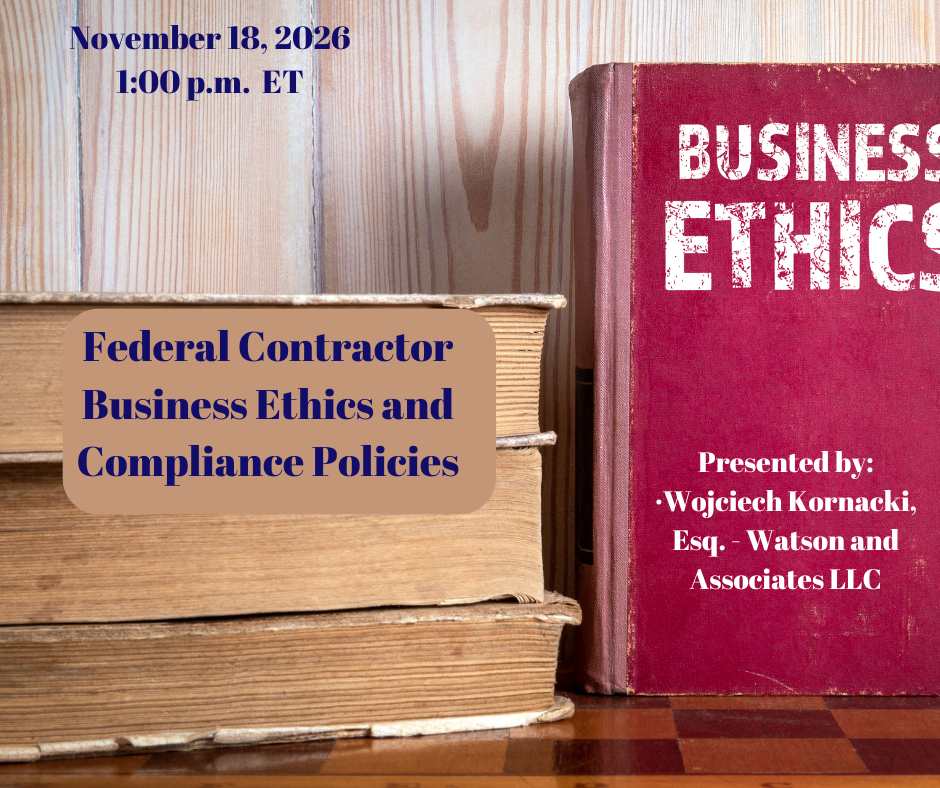
As the largest purchaser of goods and services in the world, the United States Government requires f...
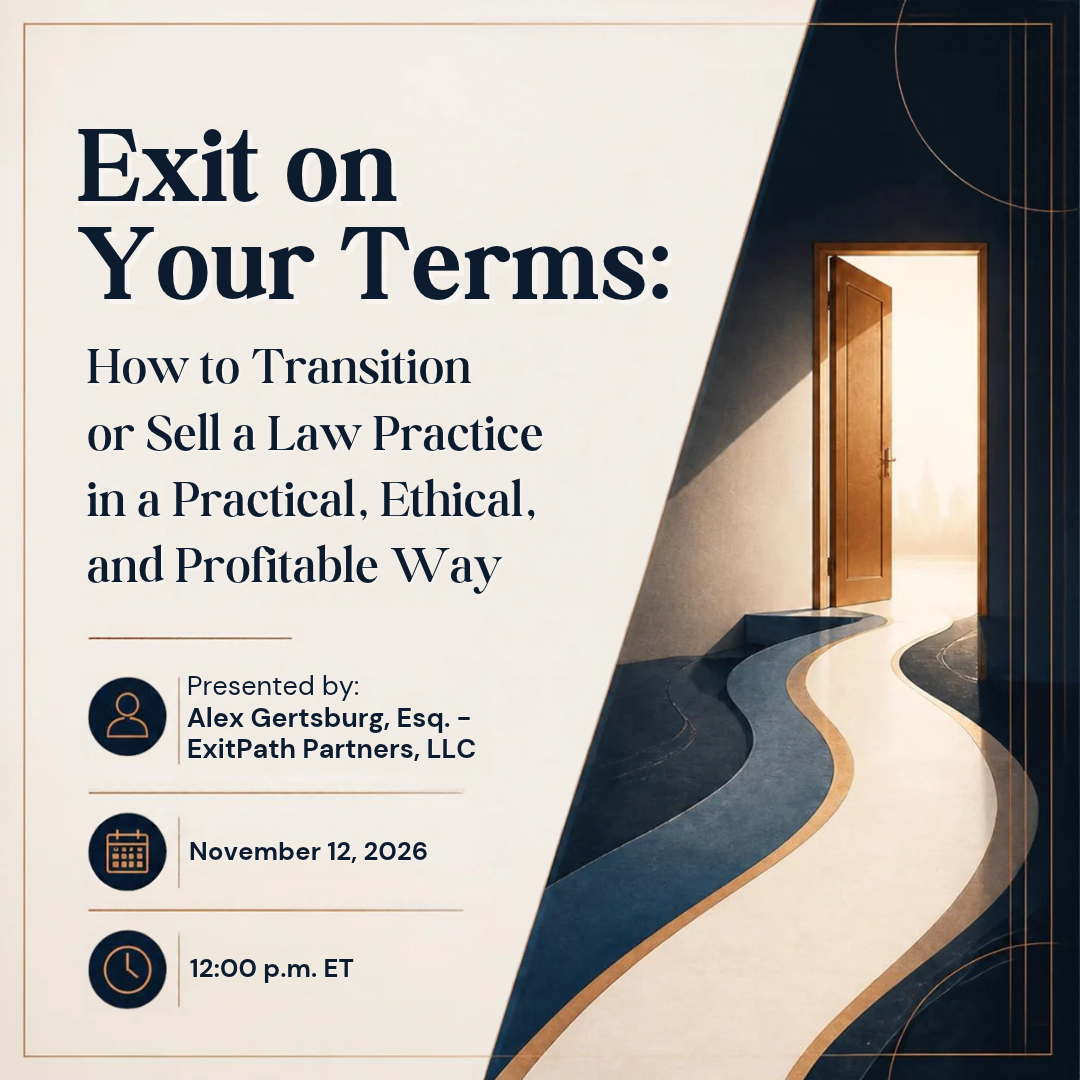
Turn decades of client relationships into lasting equity. This practical CLE shows attorneys how to ...

This course is meant for lawyers of all levels and areas of practice, and in it, we will explore way...

During this course you will take a deep dive into federal bid protest litigation at the U.S. Court o...