
Exciting new series on “Voice, Body and Movement for Lawyers – How to connect with the jury and find Justice Through Dramatic Technique!”
Click here to find out more
Intellectual Property Lawyers are specialists in their own right—because patent and trademark law is quite unique. As such, the ethical issues related to such practice areas is often difficult to understand. This course aims to provide background that IP attorneys can take to ensure their conduct conforms to the USPTO Rules of Professional Conduct.
The presenter, Emil J. Ali, is a registered patent attorney who focuses his practice on USPTO ethics and disciplinary matters. The course provides practical advice on how practitioners can spot issues and conform their conduct to best practice and the USPTO’s rules. This course is aimed at experienced IP practitioners who practice before the USPTO.
The course will cover the USPTO’s regulatory power, as well as what constitutes practice before the USPTO under 37 CFR 11.5. The presenter will also discuss the supervision requirements for supervising attorneys under 37 CFR 11.501-11.503, conflicts under 11.107-11.109, subject matter conflicts best practices, candor obligations under 37 CFR 11.303 and 11.18, and signature obligations under 37 CFR 1.4 and 2.193.
2026 was a very important year when it comes to federal procurement developments, Artificial Intelli...
"Artificial Intelligence and the Practice of Law" (updated through 2026), is a 50-slide primer desig...
This course on trade secrets litigation provides real-world best practices through all key stages of...
Class action litigation continues to expand in both number of filings and monetary exposure, with se...
Class action litigation presents significant legal and business challenges for employers and corpora...

This course is meant for lawyers of all levels and areas of practice, and in it, we will explore way...
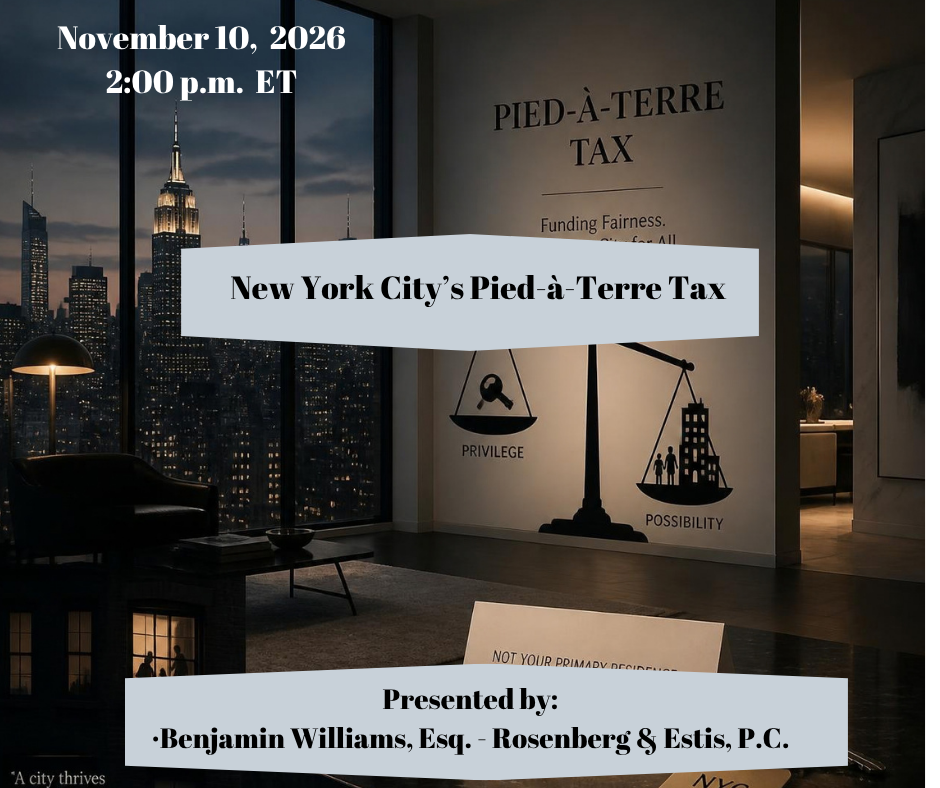
New York City’s new Non-Primary Residence Property Surcharge—commonly known as the pied-...
Confidentiality Agreements (also called NDAs) are too often treated as routine. So routine, th...
If there is one word we continue to hear more than any other term as we continue to navigate through...
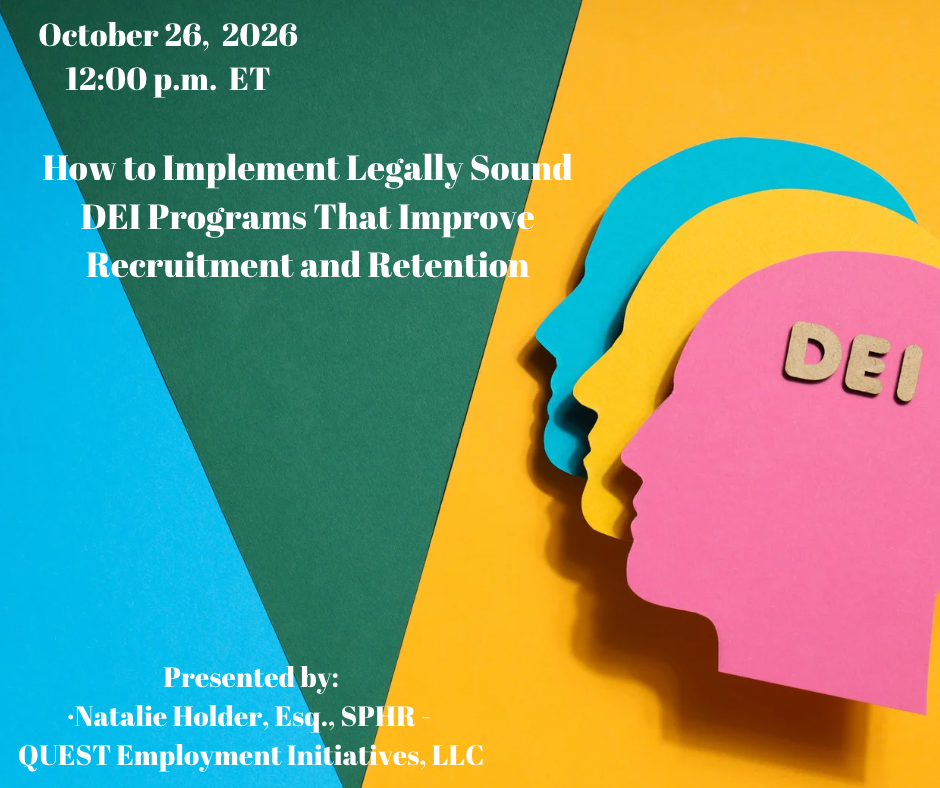
This program will discuss how to design and implement legally sound diversity, equity, and inclusion...