
Exciting new series on “Voice, Body and Movement for Lawyers – How to connect with the jury and find Justice Through Dramatic Technique!”
Click here to find out more
Voir dire is routinely the most anxiety-inducing and least well-done aspect of jury trial practice. While even the most experienced trial attorney’s manifest little apprehension with opening statements, cross examination of difficult witnesses and experts, or closing arguments, the thought of actually having to talk with prospective jurors—like a real and invested human being, for an extended period of time—reflects counsel’s inability to control the situation or predict the often–surprising answers they will get to questions from people they don’t know. Moreover, in efforts to obtain the best outcome, trial counsel are well served to evaluate the multiple available grounds to successfully challenge the admissibility of the opponent’s experts’ opinions.
Please join us for a webinar addressing:
1. The methods to reduce the fear associated with voir dire and strategies that will allow counsel to exercise proper challenges for cause.
2. The conduct of the “expert” expert deposition.
3. Necessary efforts to exclude or limit the expression of expert opinion testimony at trial.
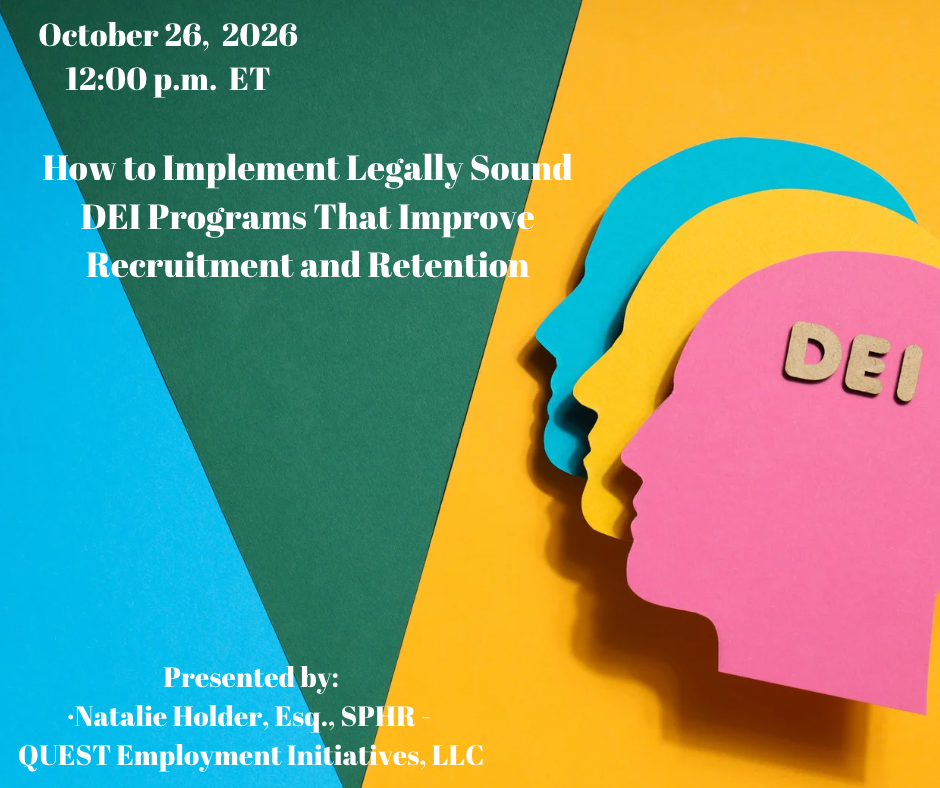
This program will discuss how to design and implement legally sound diversity, equity, and inclusion...

As the largest purchaser of goods and services in the world, the United States Government requires f...

This course is meant for lawyers of all levels and areas of practice, and in it, we will explore way...
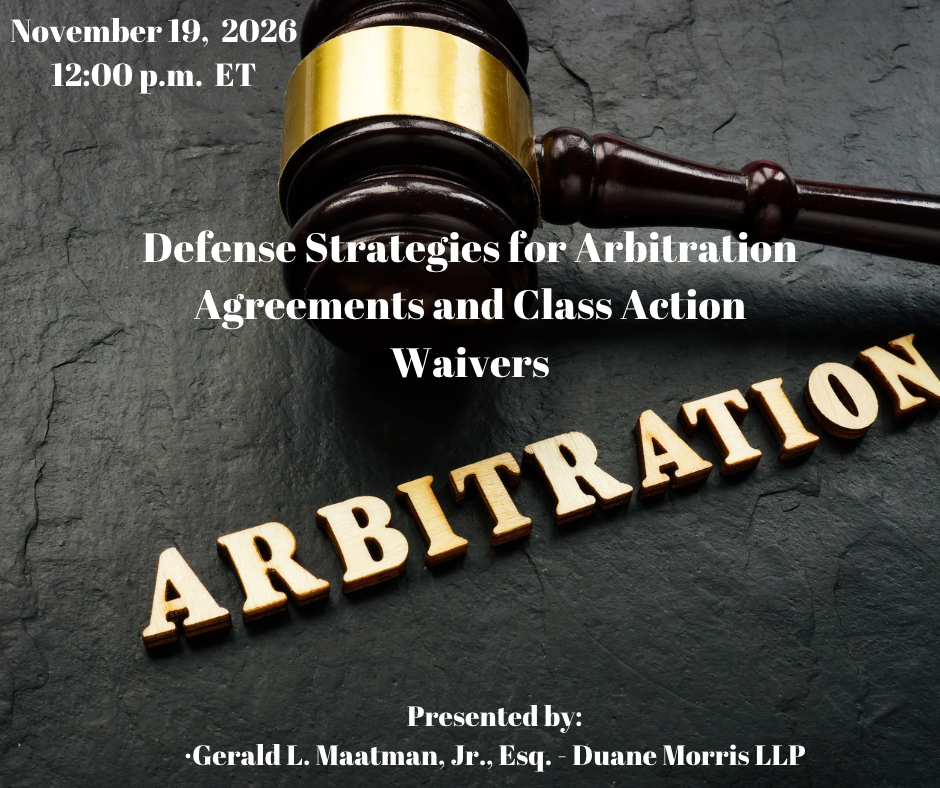
Class action waivers in arbitration agreements remain enforceable, but a decade of U.S. Supreme Cour...
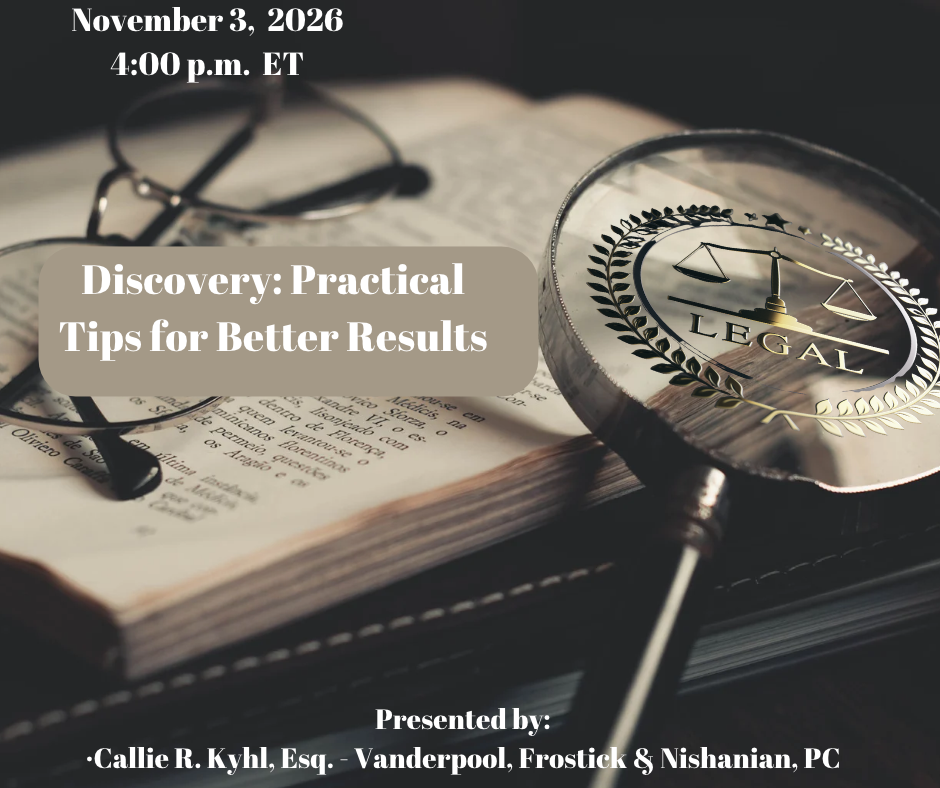
This program provides a practical roadmap to mastering every stage of the discovery process in civil...
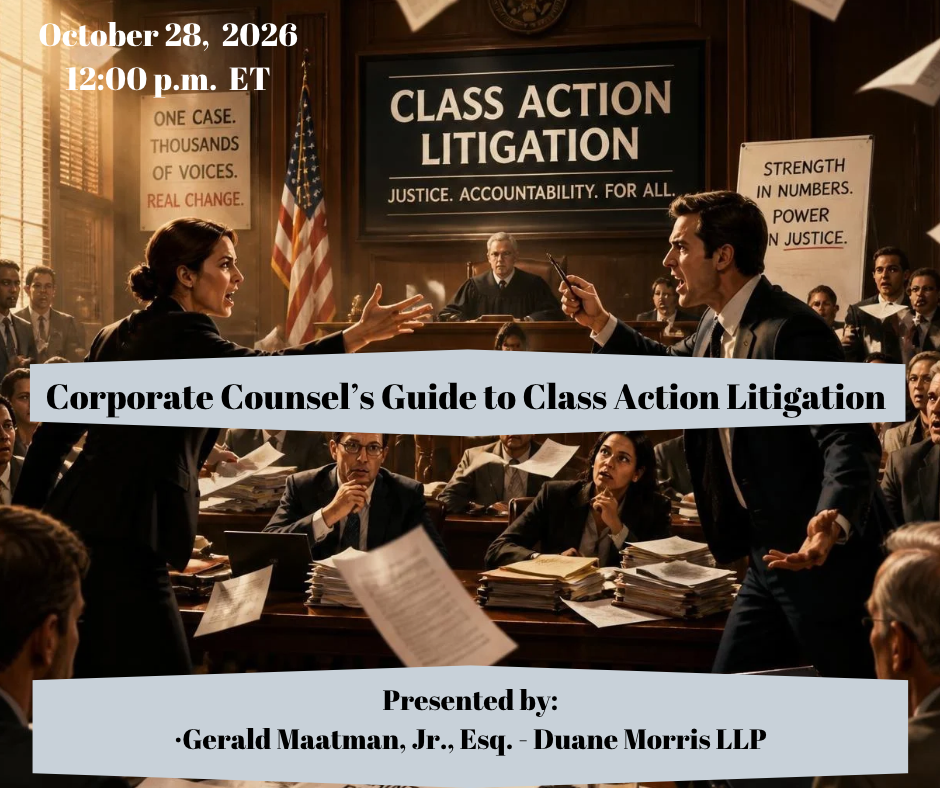
Class action litigation continues to expand in both number of filings and monetary exposure, with se...
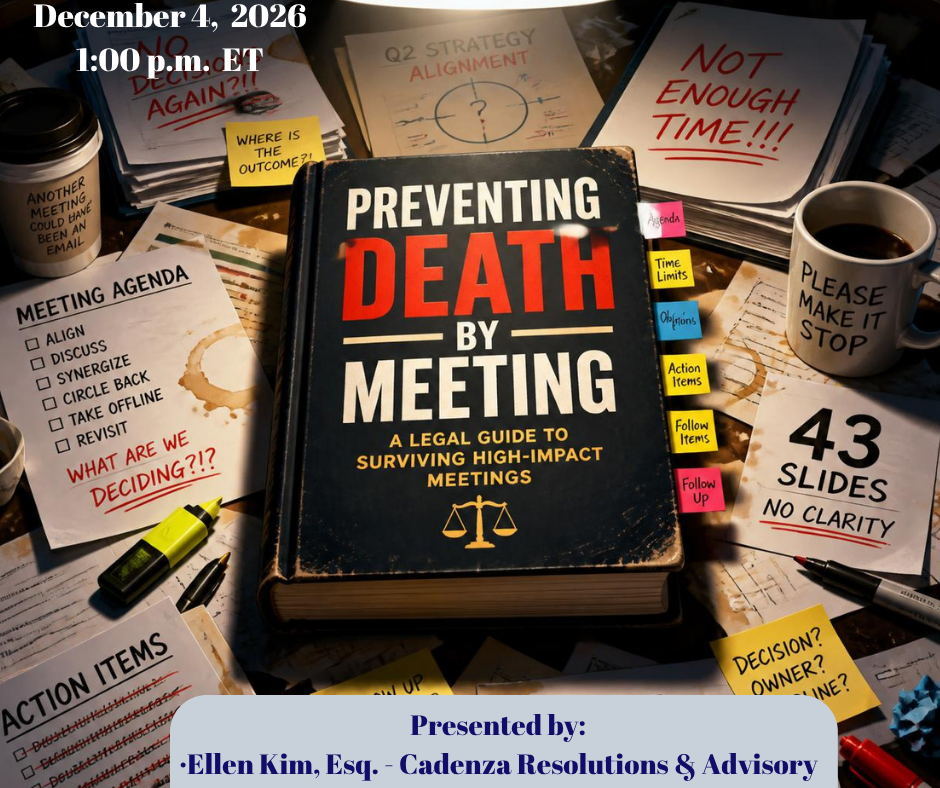
Lawyers lose hundreds of billable and operational hours every year to poorly managed meetings. Unfoc...

I was wrongfully separated from the military and I will get no military pay and disability retiremen...
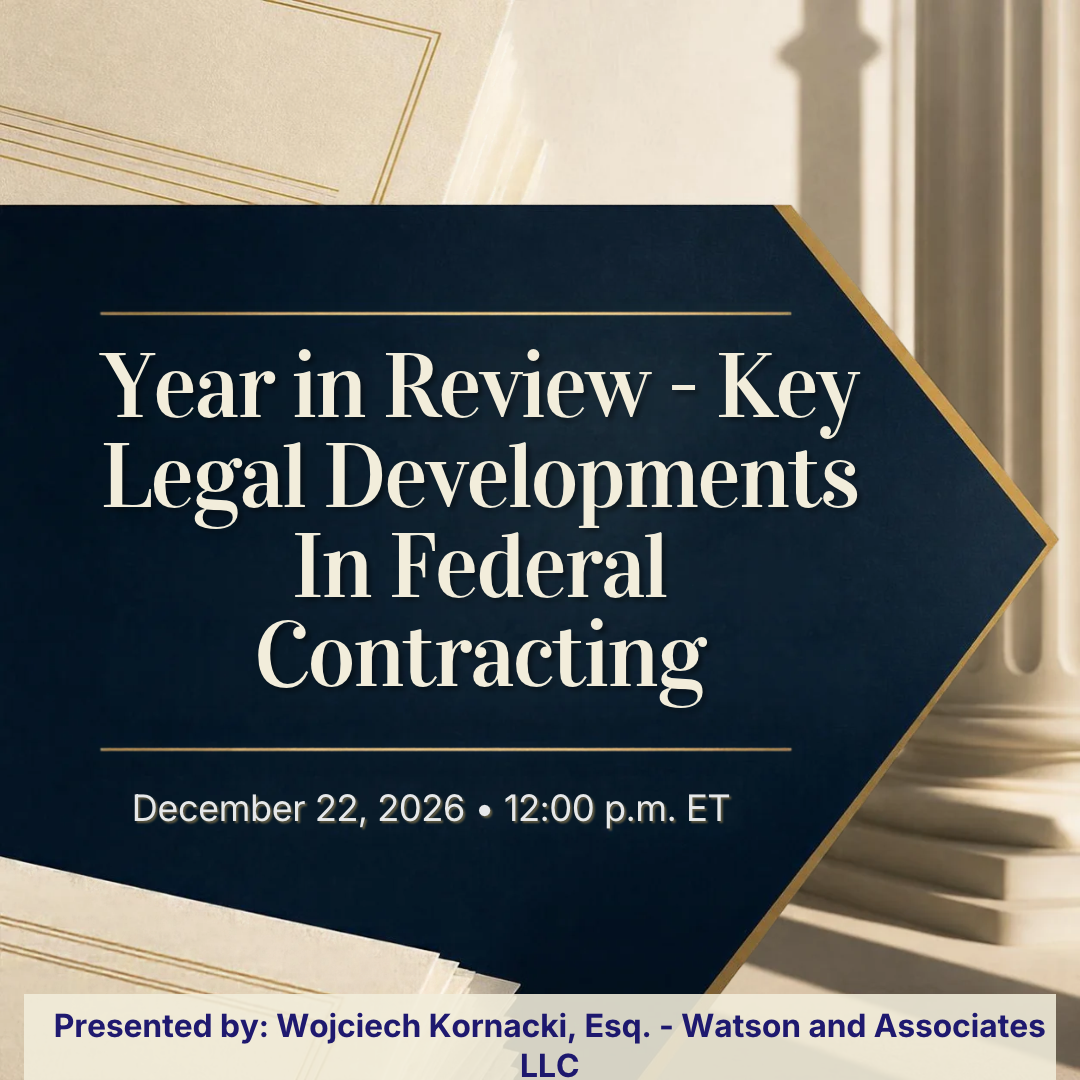
2026 was a very important year when it comes to federal procurement developments, Artificial Intelli...
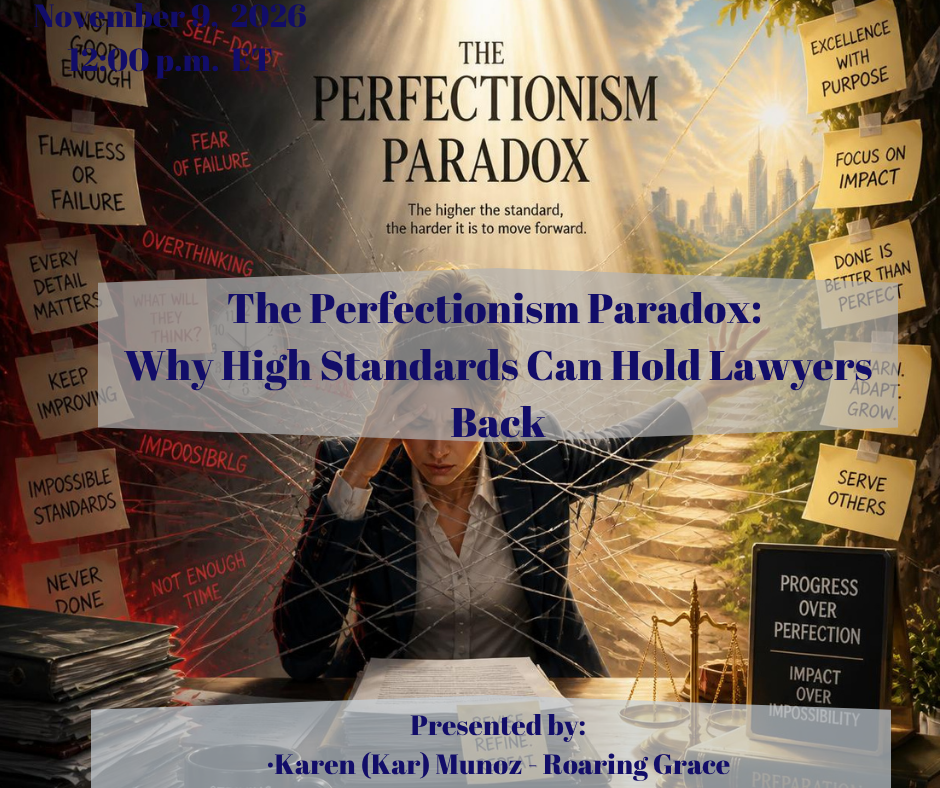
Perfectionism is often rewarded in the legal profession. It drives attention to detail, thorough pre...