
Exciting new series on “Voice, Body and Movement for Lawyers – How to connect with the jury and find Justice Through Dramatic Technique!”
Click here to find out more
With the rapid acceleration of AI adoption, organizations must stay ahead of the fast evolving legal and regulatory landscape to mitigate risks proactively. Join our panel of experts as they delve into the complex legal and regulatory environment of AI. They will explore the key risks associated with AI integration - including discrimination, privacy breaches, and intellectual property concerns linked to generative AI technologies. Attendees will receive actionable strategies for mitigating these risks while safeguarding their organizational interests. The discussion will also cover the creation of robust AI governance frameworks, emphasizing policies and procedures for employee AI use. Gain valuable insights into practical measures for maintaining AI compliance, reducing legal risks, and leveraging AI technologies responsibly and efficiently.
This webinar is essential for anyone involved with AI, whether you're in the midst of adoption or considering its potential for your business. Prepare to navigate the AI legal landscape with confidence and foresight.
Confidentiality Agreements (also called NDAs) are too often treated as routine. So routine, th...
Lawyers lose hundreds of billable and operational hours every year to poorly managed meetings. Unfoc...
New York City’s new Non-Primary Residence Property Surcharge—commonly known as the pied-...
Perfectionism is often rewarded in the legal profession. It drives attention to detail, thorough pre...
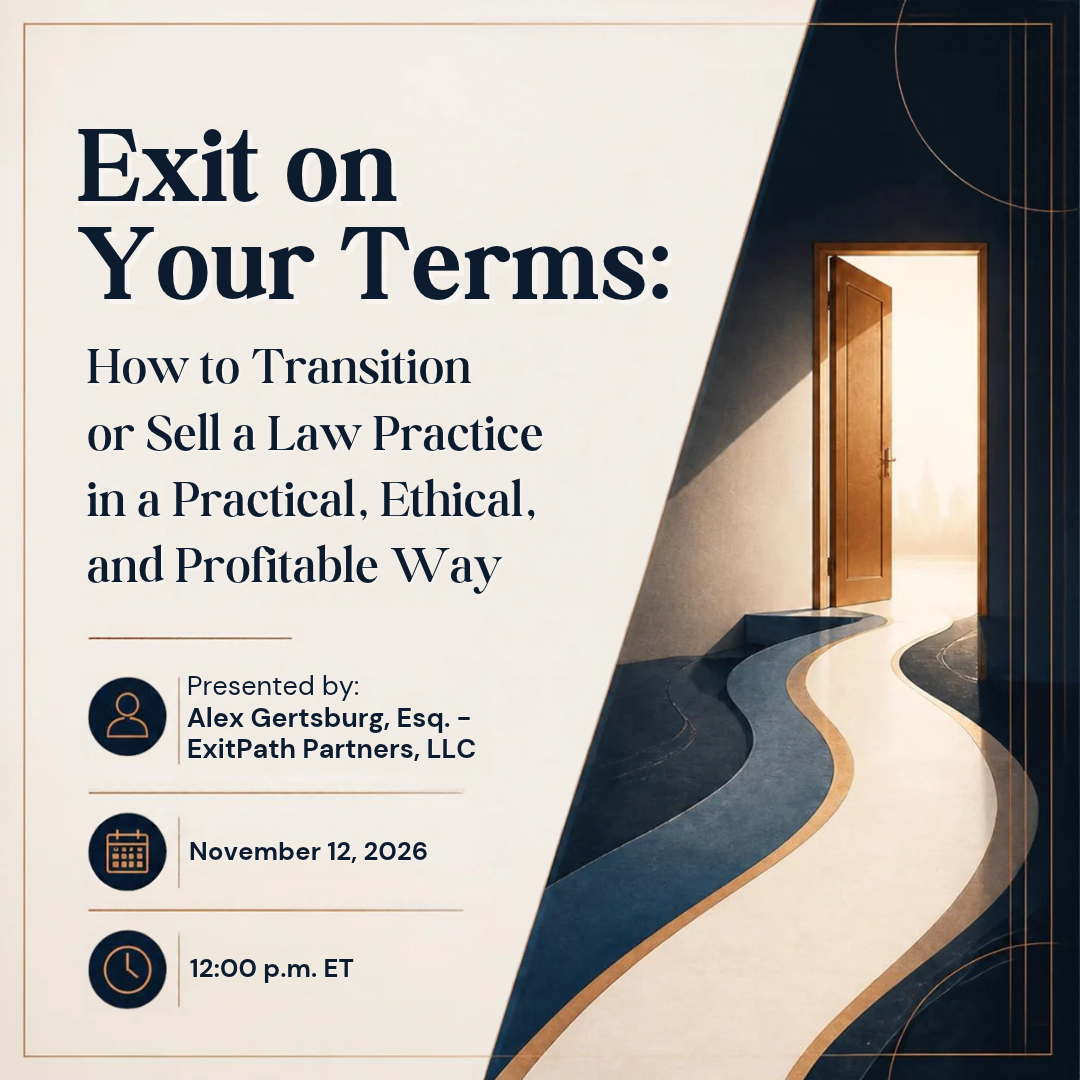
Turn decades of client relationships into lasting equity. This practical CLE shows attorneys how to ...
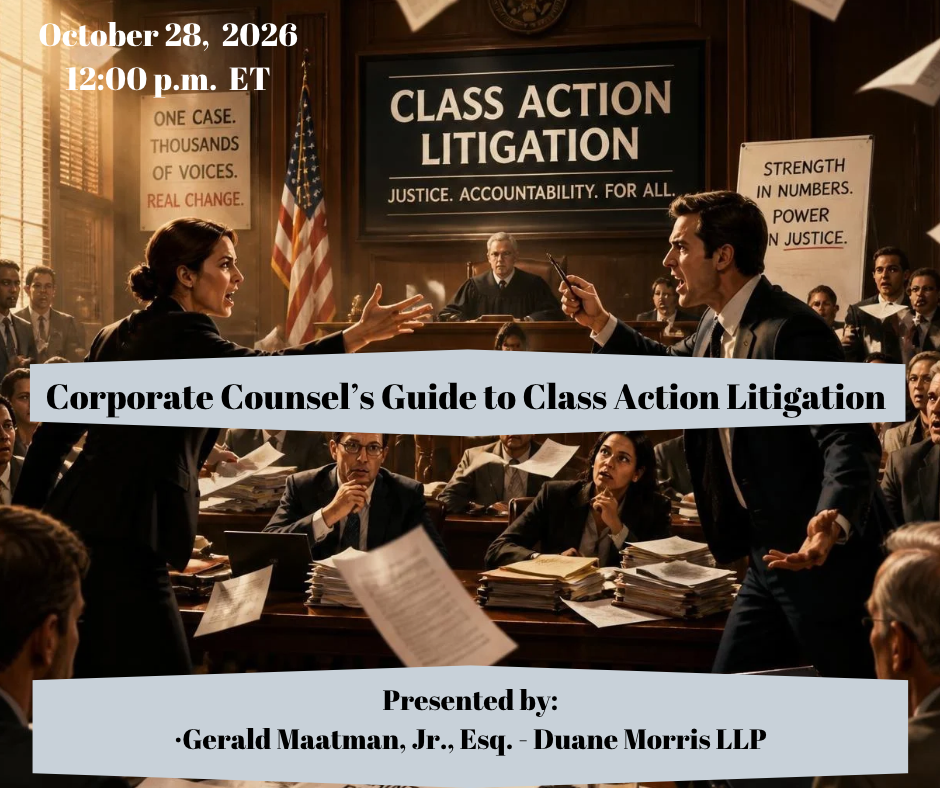
Class action litigation continues to expand in both number of filings and monetary exposure, with se...
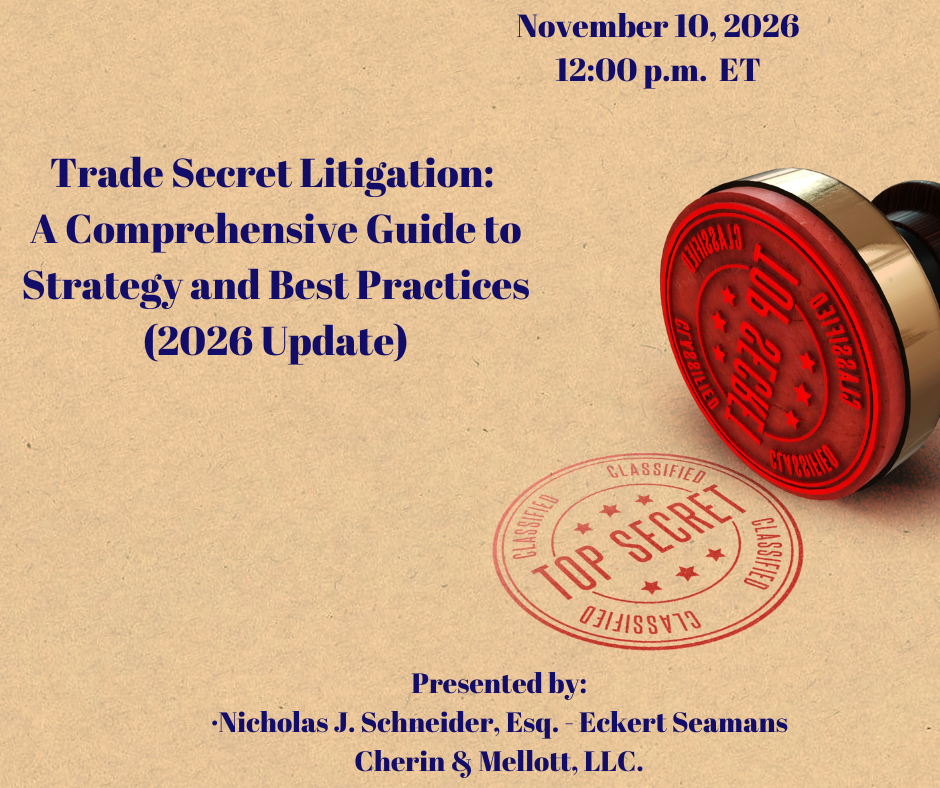
This course on trade secrets litigation provides real-world best practices through all key stages of...

The practice of law places legal professionals under extraordinary and often chronic stress, making ...
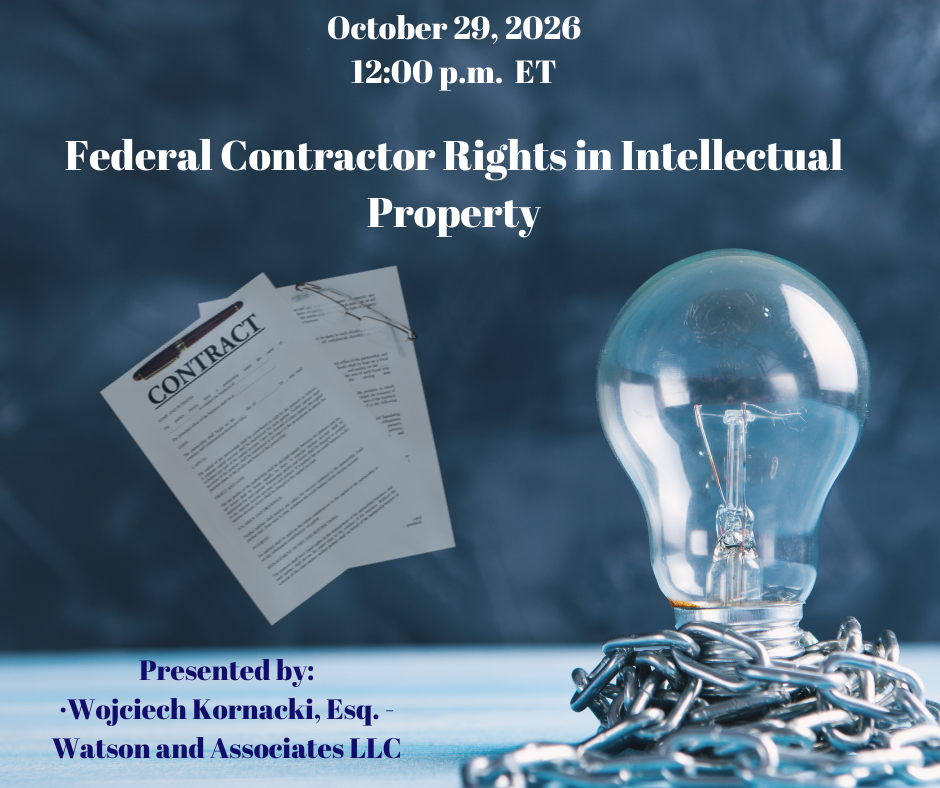
During this course, you will learn about best practices and strategies for retaining intellectual pr...
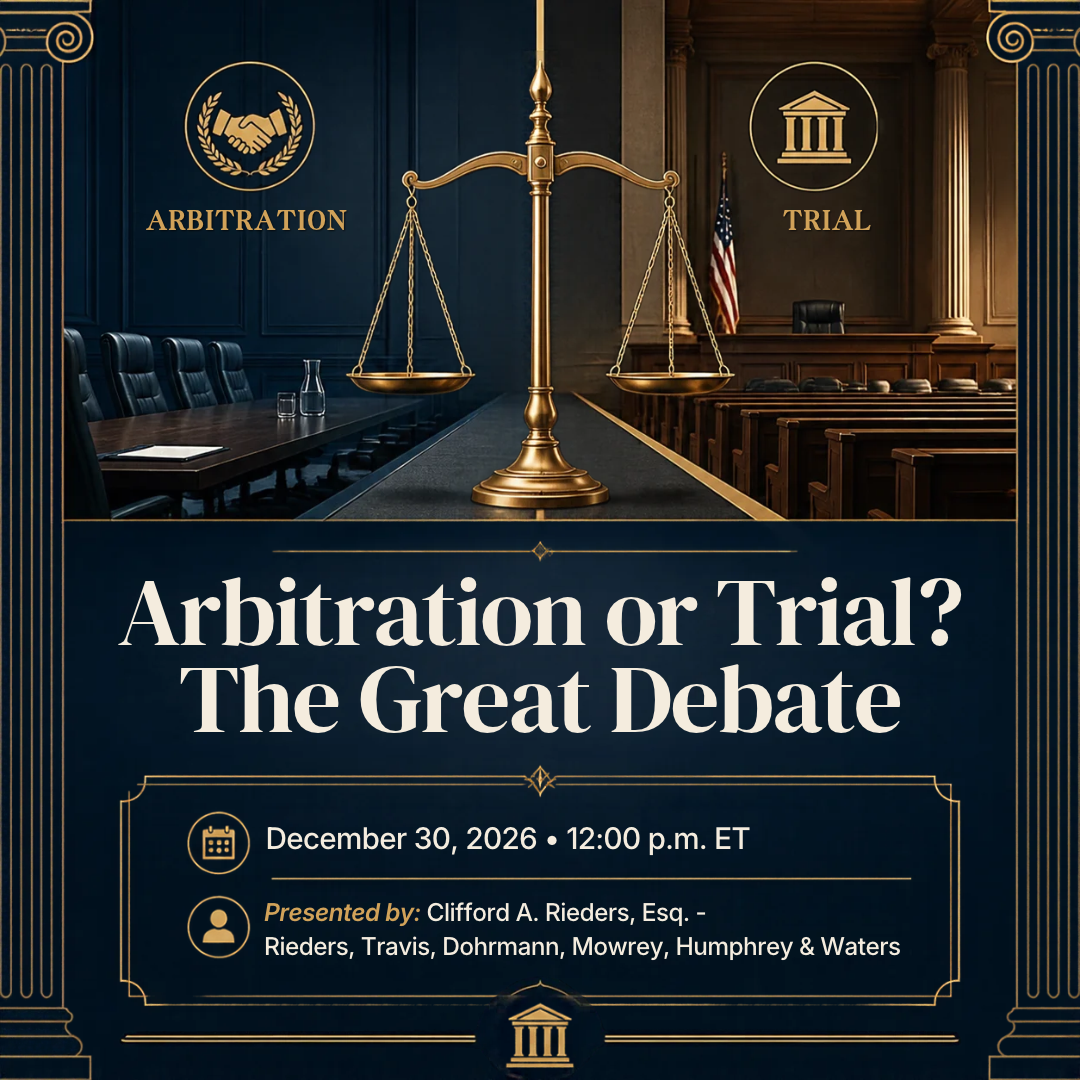
This seminar concerns a scope, jurisdiction, and exceptions to the Federal Arbitration Act. The Act ...