
Exciting new series on “Voice, Body and Movement for Lawyers – How to connect with the jury and find Justice Through Dramatic Technique!”
Click here to find out more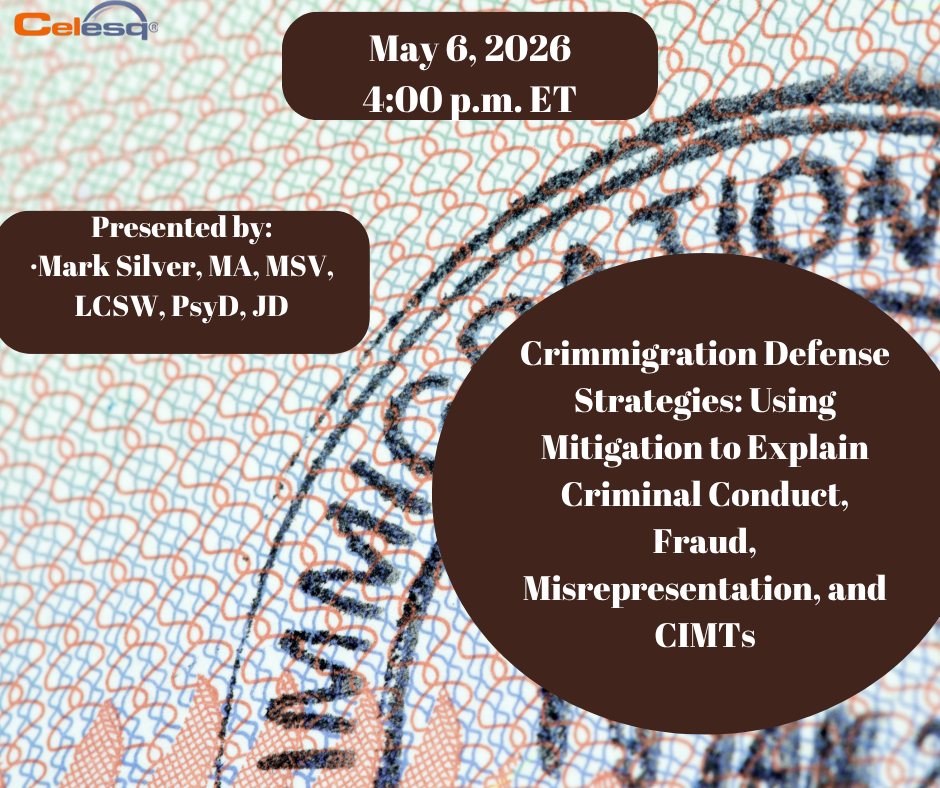
This program addresses the critical intersection of criminal and immigration law, focusing on how mitigation strategies can be used to explain and contextualize criminal conduct in immigration proceedings. Participants will examine how crimes, fraud, misrepresentation, and crimes involving moral turpitude (CIMTs) can be reframed through clinical forensic evaluations.
The course emphasizes mitigation as a distinct and powerful advocacy tool separate from hardship analysis, enabling attorneys to present a more complete and nuanced understanding of the client’s conduct. It also explores how forensic experts can complement legal advocacy by providing insight into psychological and social factors underlying the behavior.
Attorneys will learn how to strategically deploy mitigation in complex immigration cases to improve credibility, strengthen narratives, and support more favorable adjudications.
Learning Objectives:

In the rapidly evolving landscape of employment law, arbitration agreements have become a cornerston...

Negotiations impact almost every aspect of your life when you have to deal with other people, be the...
Part 1 - This program focuses specifically on cross?examining expert witnesses, whose credentials an...
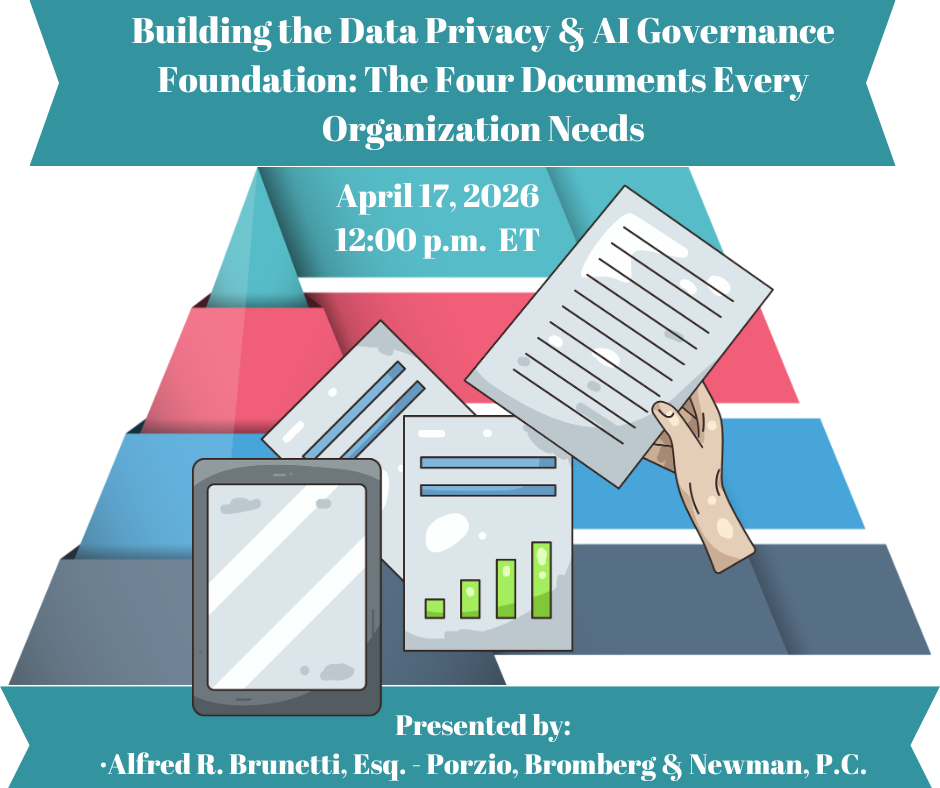
Effective data privacy and artificial intelligence governance programs do not happen by accident. Th...

This program examines critical 2025-2026 developments in patent eligibility for software and AI inve...
Part 2 - This program will continue the discussion from Part 1 focusing specifically on cross?examin...

This program is geared towards lawyers, experts, commercial property owners, and others in the envir...

The program will cover the key issues for lawyer leaving government employment including the nuances...
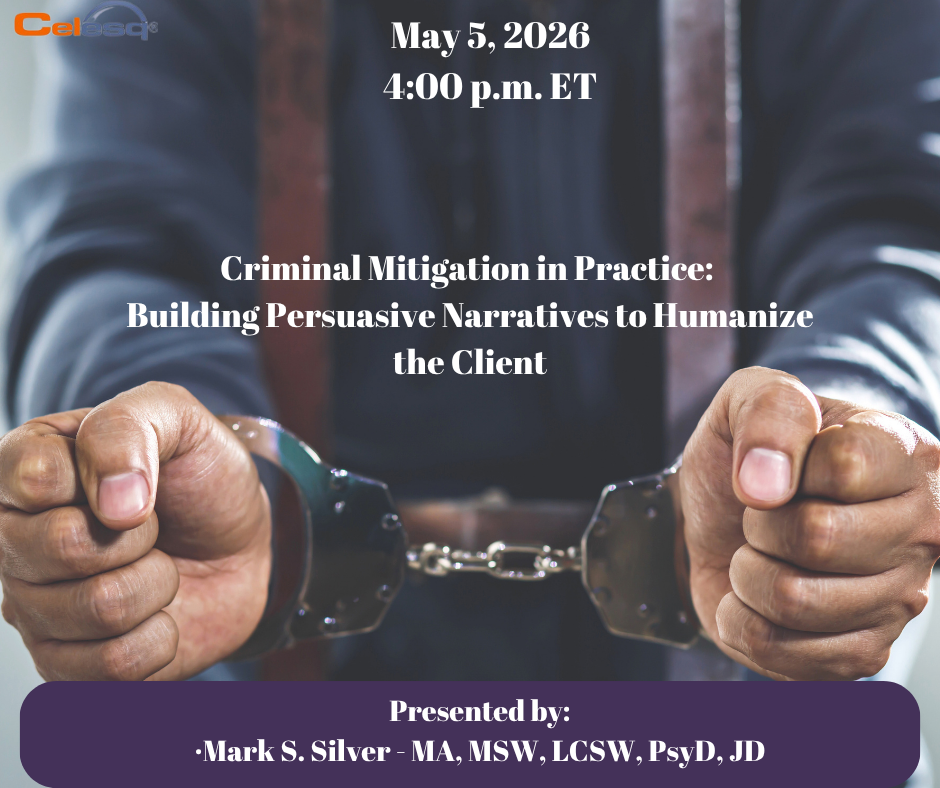
This program provides a comprehensive and practice-oriented framework for integrating criminal mitig...
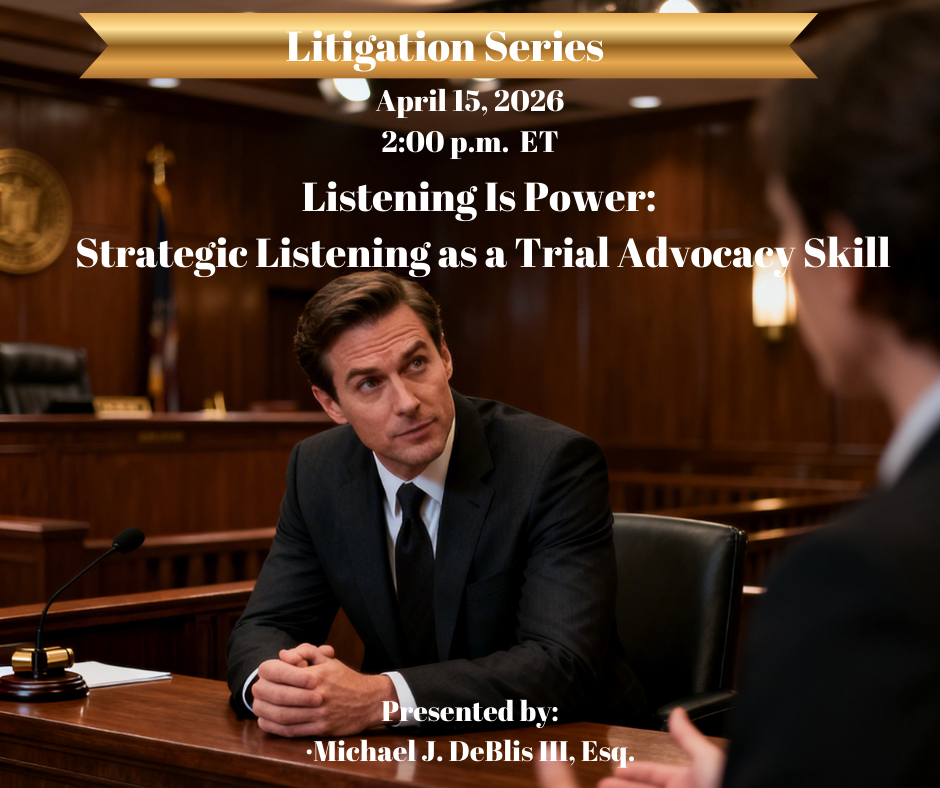
This program examines listening as an active, strategic trial advocacy skill rather than a passive c...