
Exciting new series on “Voice, Body and Movement for Lawyers – How to connect with the jury and find Justice Through Dramatic Technique!”
Click here to find out more
If there is one phrase, we continue to hear more than any other term as we navigate through our post-pandemic “new normal” world, it is “stressed out.”
But what is stress? What does it look like and feel like? More importantly, what can we do to prevent the normal stress and “lawyer anxiety” so common in our profession from developing into the physically and emotionally draining state known as Burnout? Has it really become an occupational hazard?
Recent studies have shown that there has been a dramatic increase in impairment due to alcoholism, addiction and mental health disorders among members of the legal profession. The statistics are compelling and clearly indicate that 1 out of 3 attorneys will likely have a need for substance use or mental health services at some point in their careers.
Hear from our experienced panel as they discuss:
1. The early warning signs of impairment, with special emphasis on stress and burnout.
2. Why lawyers and judges are at especially high risk to develop mental health and substance use disorders.
3. The free services that Lawyers Assistance Programs provide to lawyers, judges, their family members and law students.
4. The barriers that prevent lawyers and judges from seeking the help they need.
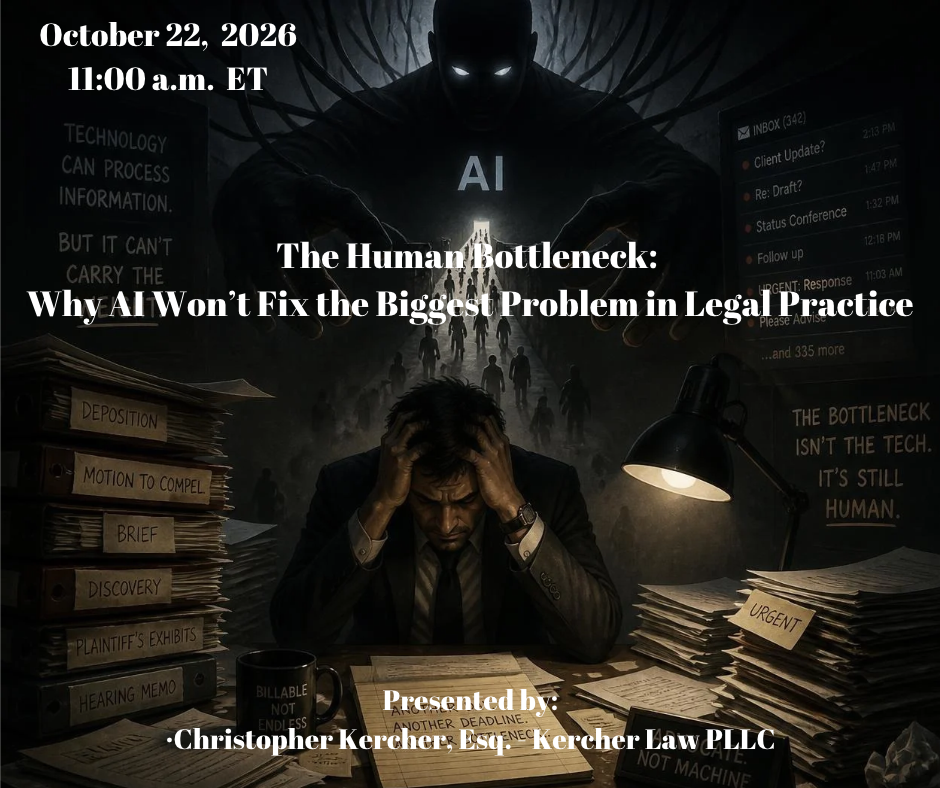
AI tools are advancing faster than legal organizations can absorb them. This program examines why th...
This program provides a practical roadmap to mastering every stage of the discovery process in civil...
If there is one word we continue to hear more than any other term as we continue to navigate through...
Class action waivers in arbitration agreements remain enforceable, but a decade of U.S. Supreme Cour...

Data privacy remains one of the most rapid areas of growth in the class action space. Plaintiffs con...
The practice of law places legal professionals under extraordinary and often chronic stress, making ...
Turn decades of client relationships into lasting equity. This practical CLE shows attorneys how to ...
This program provides trial attorneys with a thorough grounding in the three principal currency repo...
"Artificial Intelligence and the Practice of Law" (updated through 2026), is a 50-slide primer desig...
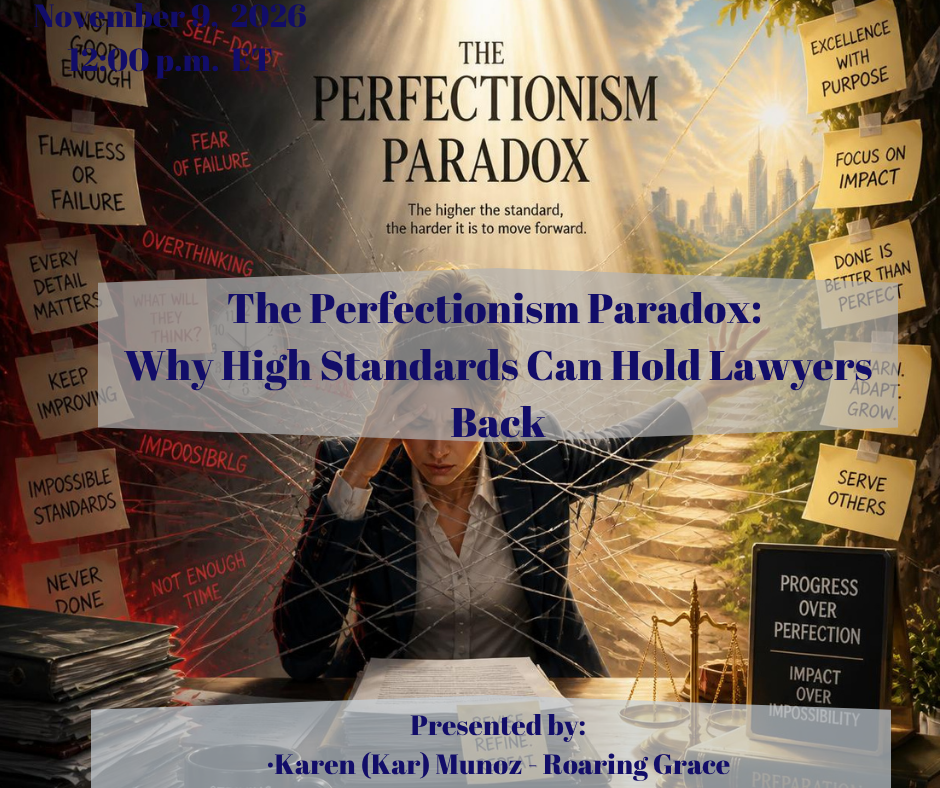
Perfectionism is often rewarded in the legal profession. It drives attention to detail, thorough pre...