
Exciting new series on “Voice, Body and Movement for Lawyers – How to connect with the jury and find Justice Through Dramatic Technique!”
Click here to find out more
In 2016, the term “materiality” as it relates to the False Claims Act made a splash in the 2016 U.S. Supreme Court’s Escobar Decision. Subsequently, motions arose contesting materiality in order to dismiss False Claims Act cases. A March 2026 indictment, as well as what was espoused before the Third Circuit in recent oral arguments, requires a re-reading of Escobar and related Circuit Court cases addressing the holistic approach to materiality.
This webinar parses through key aspects of Escobar and related Circuit Court cases and reaches its crescendo in analyzing oral arguments and a factual scenario in recent a recent indictment, which also applied civil penalties under the False Claims Act.
Review the basic software concepts and effective uses of generative AI, prompting strategies, and me...
This CLE session introduces attorneys to budgeting and forecasting concepts used in corporate planni...
Aligning Your Legal Career with Your Values, explores the profound impact of values alignment on ind...
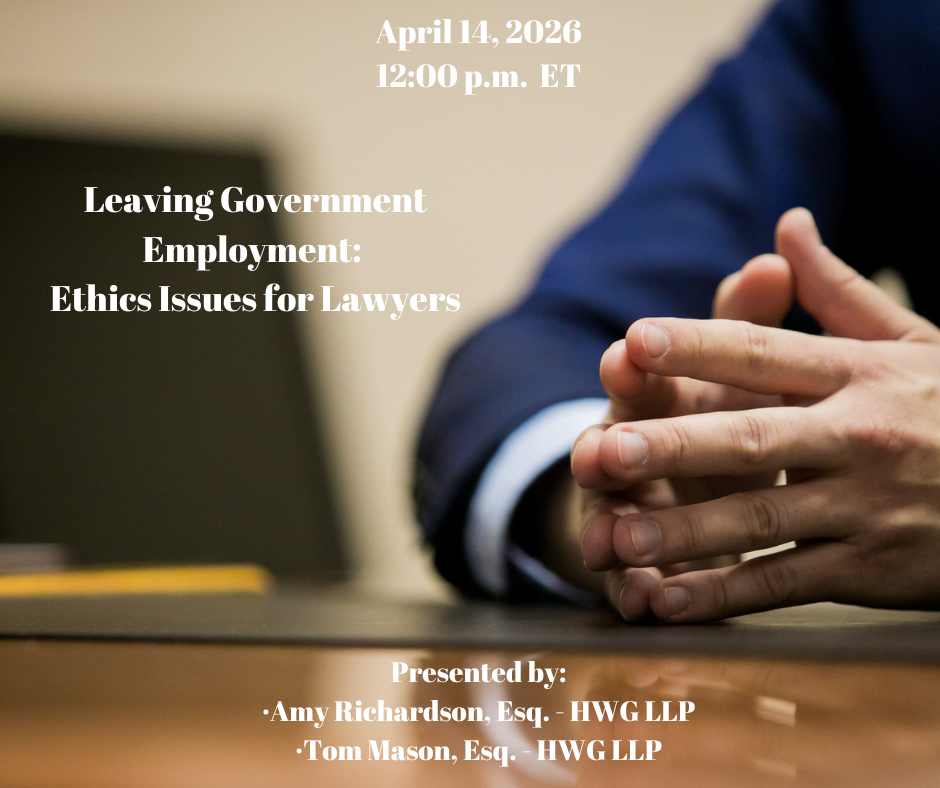
The program will cover the key issues for lawyer leaving government employment including the nuances...
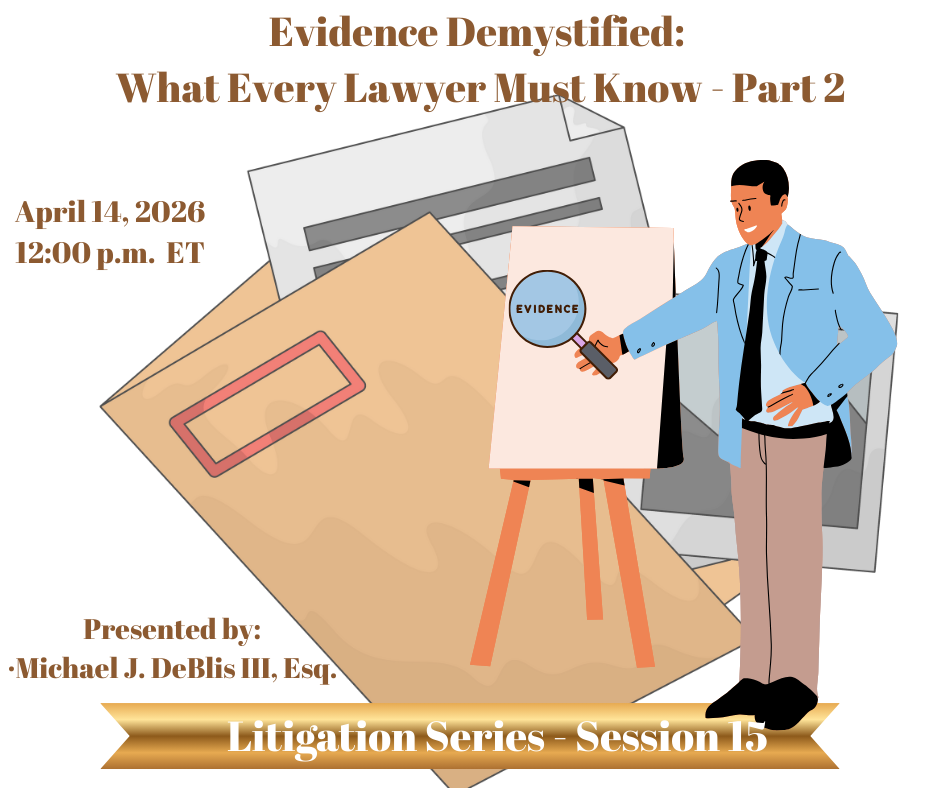
Evidence Demystified Part 2 covers key concepts in the law of evidence, focusing on witnesses, credi...
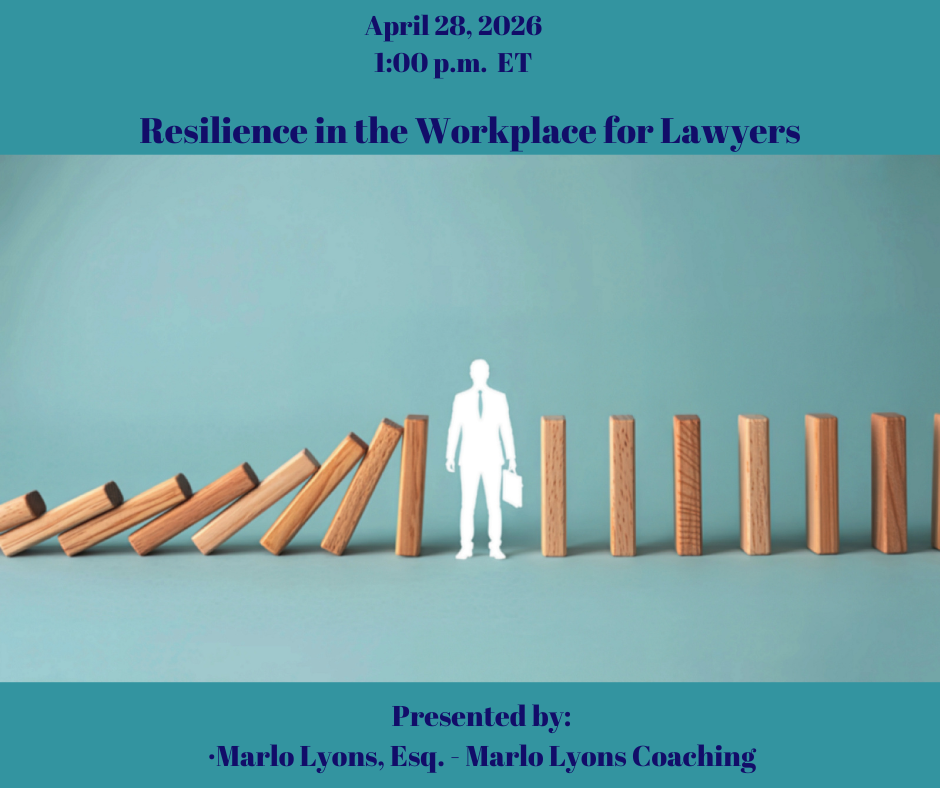
Resilience in the Workplace, delves into the critical importance of resilience in navigating the cha...
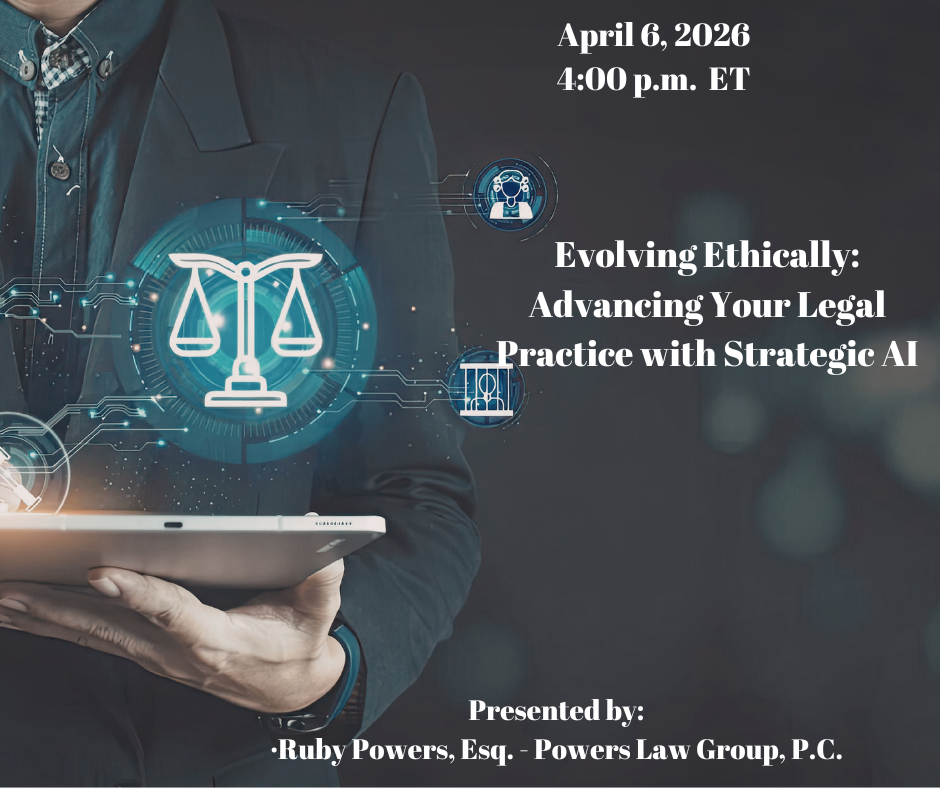
This course provides a roadmap for ethical AI integration in high-volume practices through real-worl...
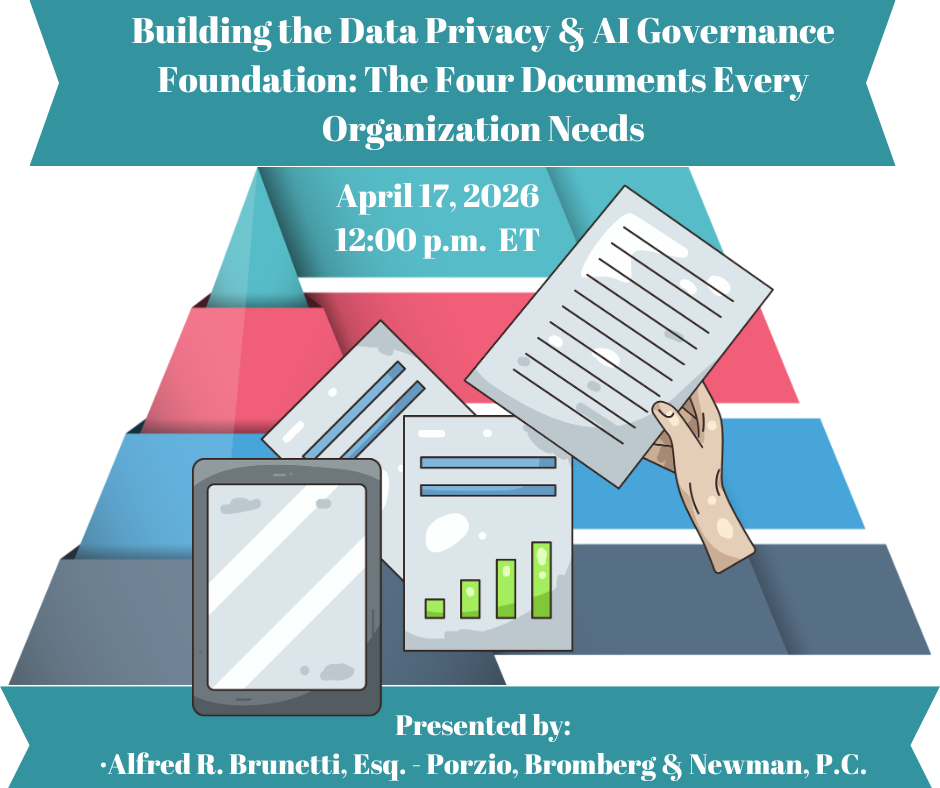
Effective data privacy and artificial intelligence governance programs do not happen by accident. Th...
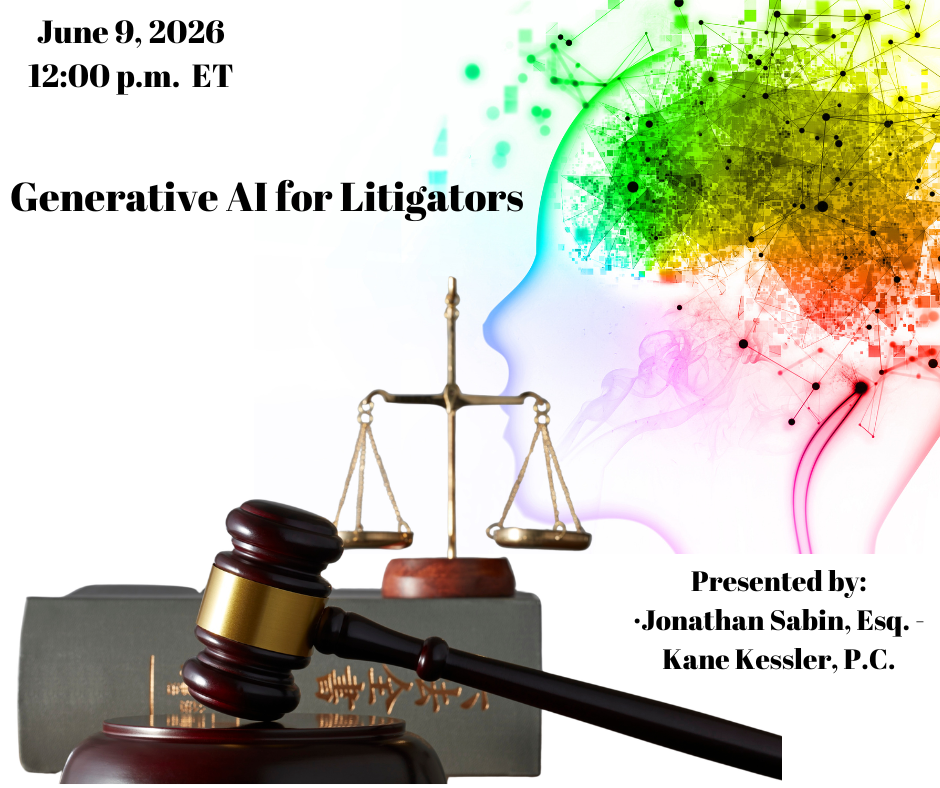
Explore the transformative potential of generative AI in modern litigation. “Generative AI for...
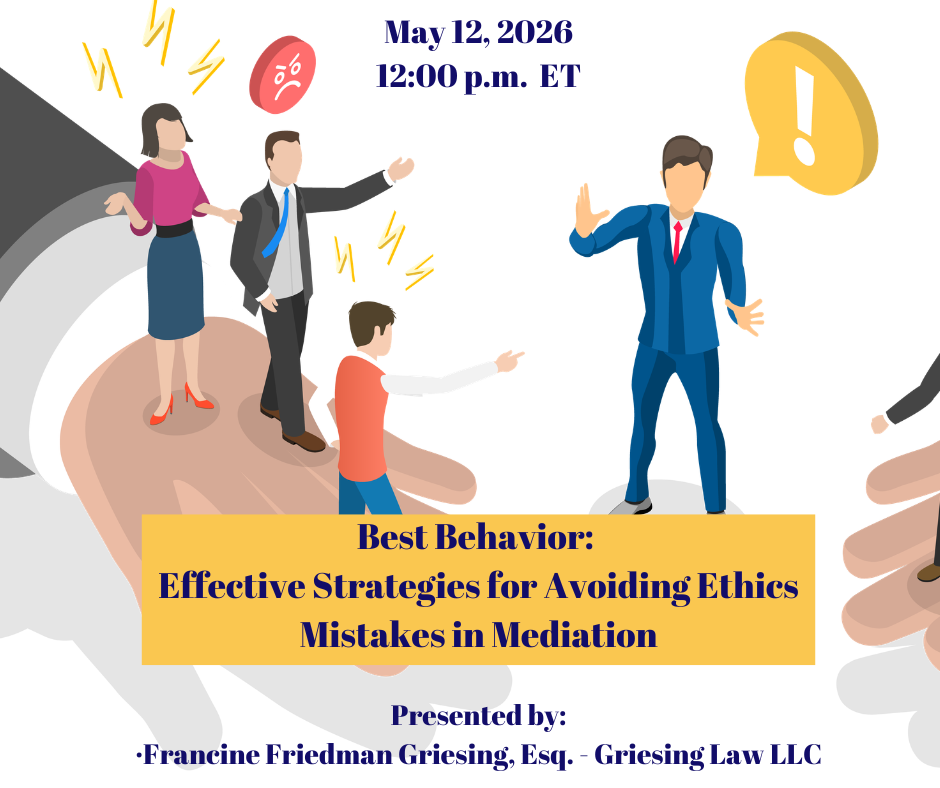
This program will address the ethical obligations of Lawyer Advocates representing clients in mediat...