
Exciting new series on “Voice, Body and Movement for Lawyers – How to connect with the jury and find Justice Through Dramatic Technique!”
Click here to find out more
A census of the United States is conducted every ten years. This collected data provides the basis for the reapportionment of the US House of Representatives and the redistricting of most representational districts - congressional, state legislatures, city council down to school boards. This process is governed by a complex mix of state and federal constitutional and statutory requirements. It is often a politically difficult process, and in many localities, a matter which leads to litigation.
This presentation is meant to provide an entry level introduction to the legal issues a lawyer representing various governmental jurisdictions should understand.
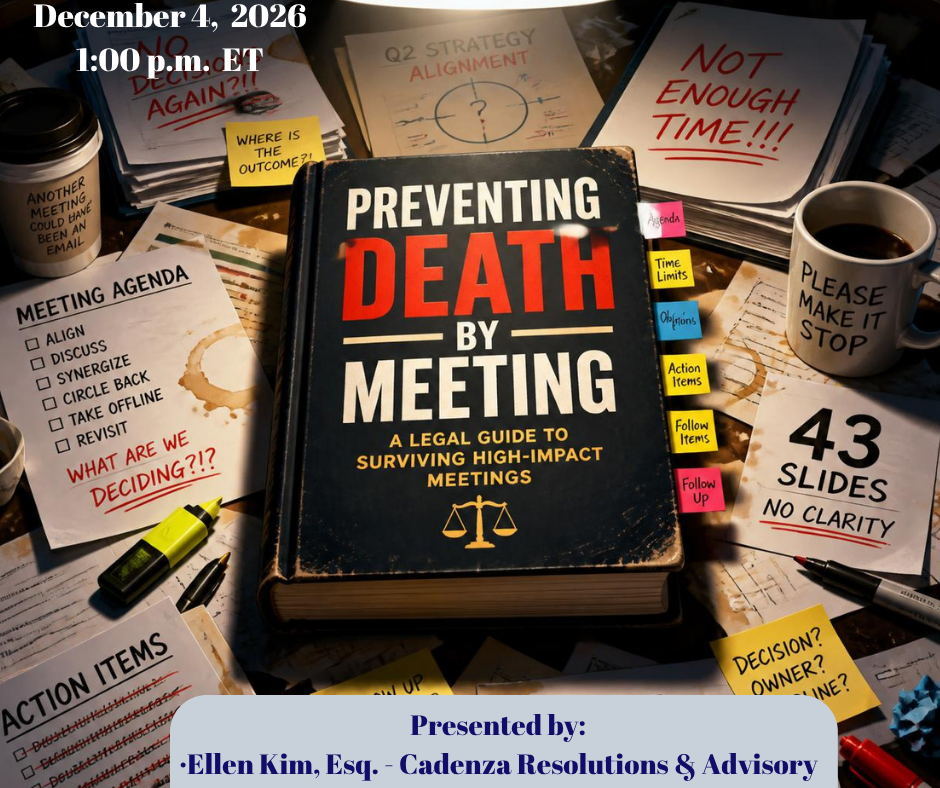
Lawyers lose hundreds of billable and operational hours every year to poorly managed meetings. Unfoc...
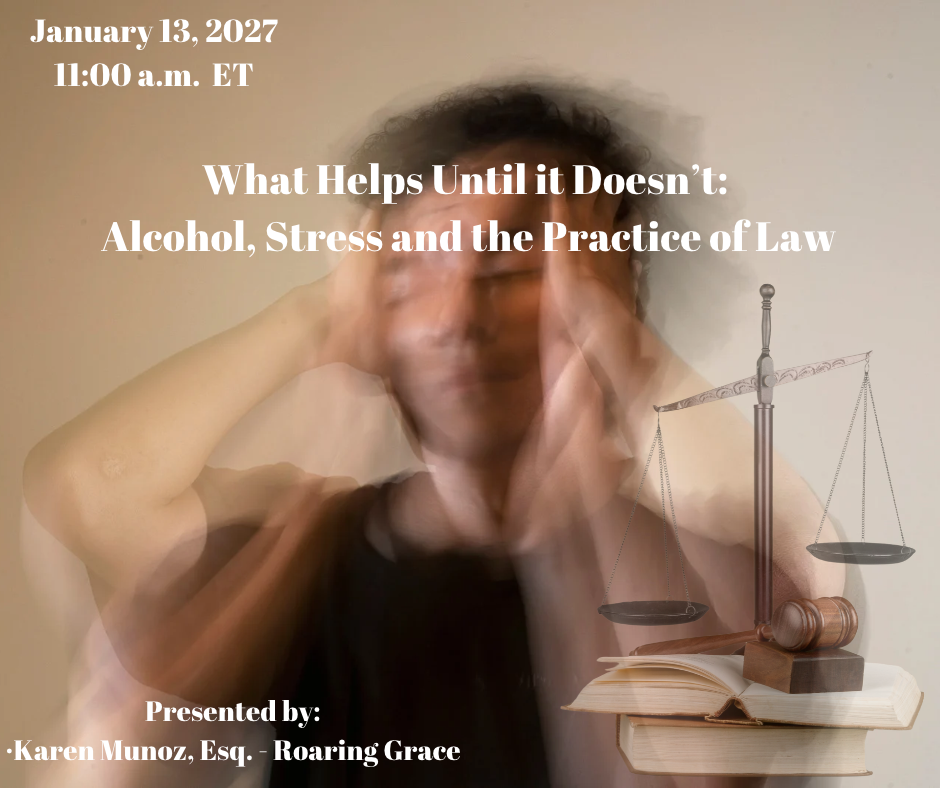
The practice of law places legal professionals under extraordinary and often chronic stress, making ...

2026 was a very important year when it comes to federal procurement developments, Artificial Intelli...

This program provides trial attorneys with a thorough grounding in the three principal currency repo...

Data privacy remains one of the most rapid areas of growth in the class action space. Plaintiffs con...

This course is meant for lawyers of all levels and areas of practice, and in it, we will explore way...

Perfectionism is often rewarded in the legal profession. It drives attention to detail, thorough pre...
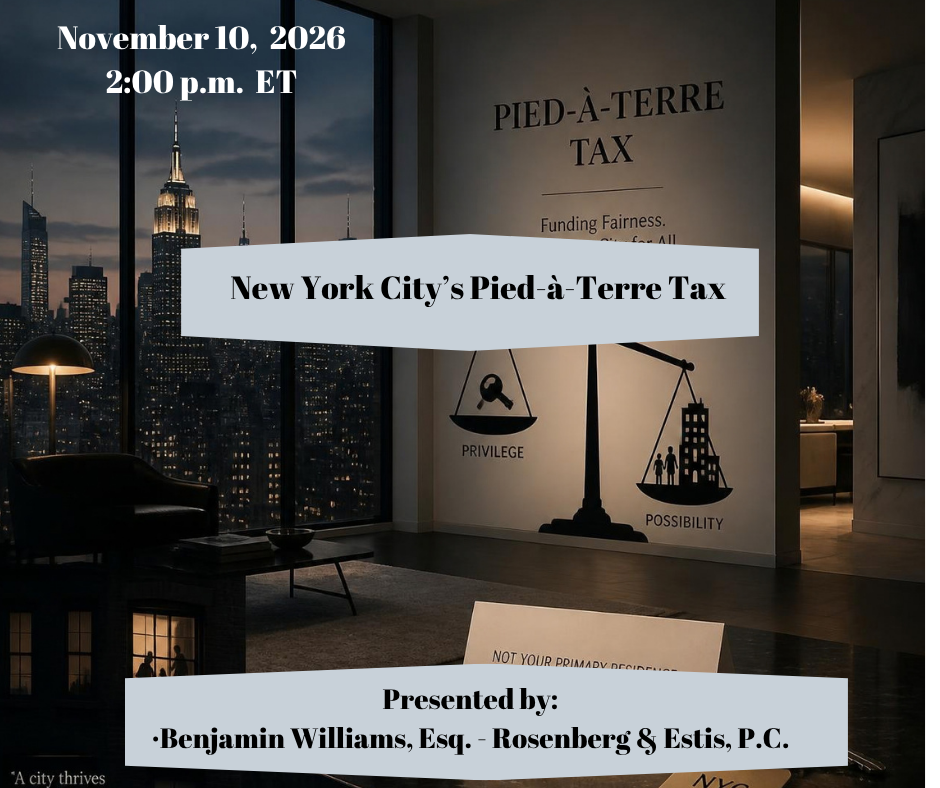
New York City’s new Non-Primary Residence Property Surcharge—commonly known as the pied-...

Class action waivers in arbitration agreements remain enforceable, but a decade of U.S. Supreme Cour...

During this course, you will learn about best practices and strategies for retaining intellectual pr...