
Exciting new series on “Voice, Body and Movement for Lawyers – How to connect with the jury and find Justice Through Dramatic Technique!”
Click here to find out more
This course provides attorneys with a practical overview of probate and administration proceedings in New York State Surrogate’s Court. Participants will learn key terms, distinctions between probate and non-probate property, and the steps to initiate and navigate estate proceedings. The curriculum covers essential topics such as fiduciary qualifications, will validity, will contests, objections, and fiduciary responsibilities. Additionally, the course explores estate closing procedures, creditor claims, and ancillary proceedings.
By the end, attorneys will have a strong foundation in Surrogate’s Court practice, equipping them to effectively guide clients through estate administration.
This program provides trial attorneys with a thorough grounding in the three principal currency repo...
The practice of law places legal professionals under extraordinary and often chronic stress, making ...
Turn decades of client relationships into lasting equity. This practical CLE shows attorneys how to ...
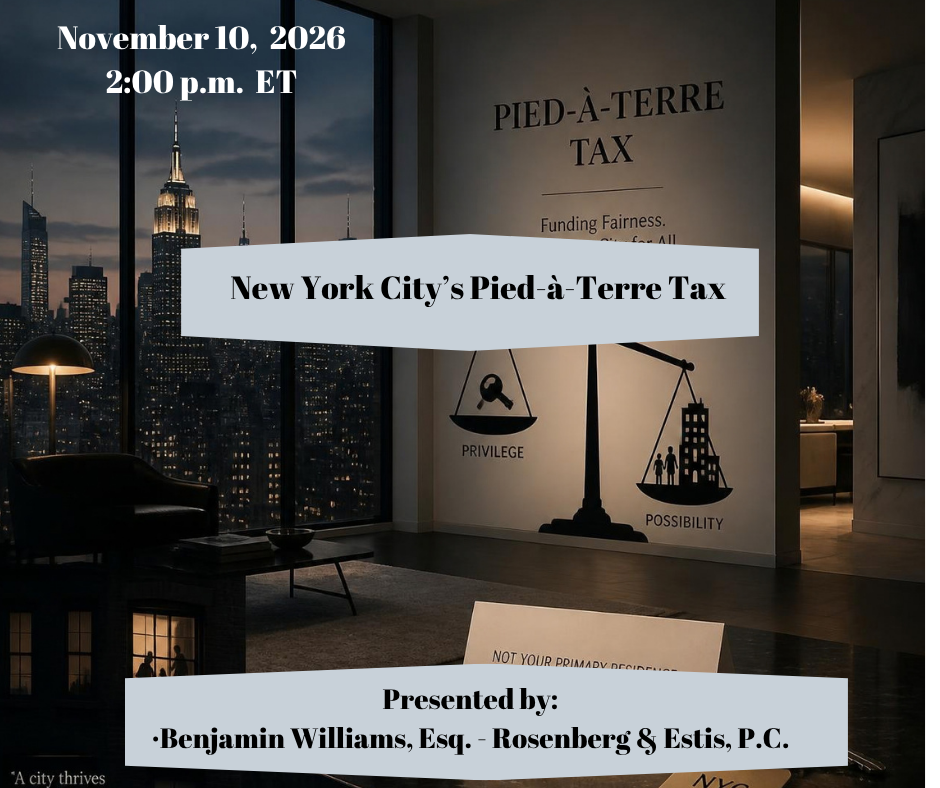
New York City’s new Non-Primary Residence Property Surcharge—commonly known as the pied-...
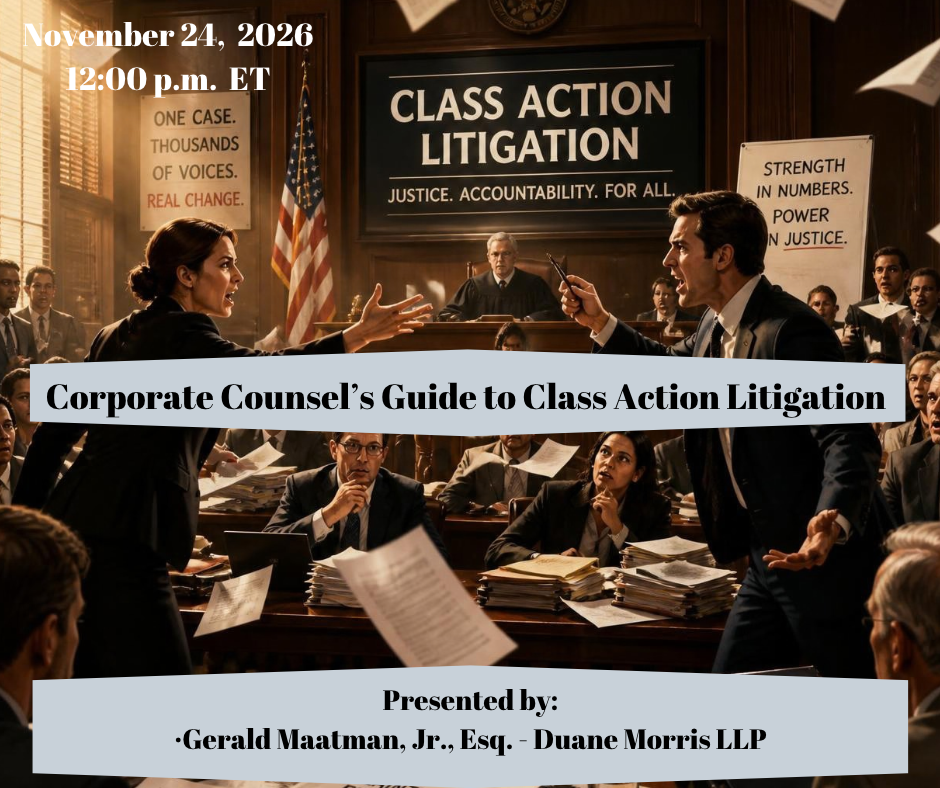
Class action litigation continues to expand in both number of filings and monetary exposure, with se...
This program provides a practical roadmap to mastering every stage of the discovery process in civil...
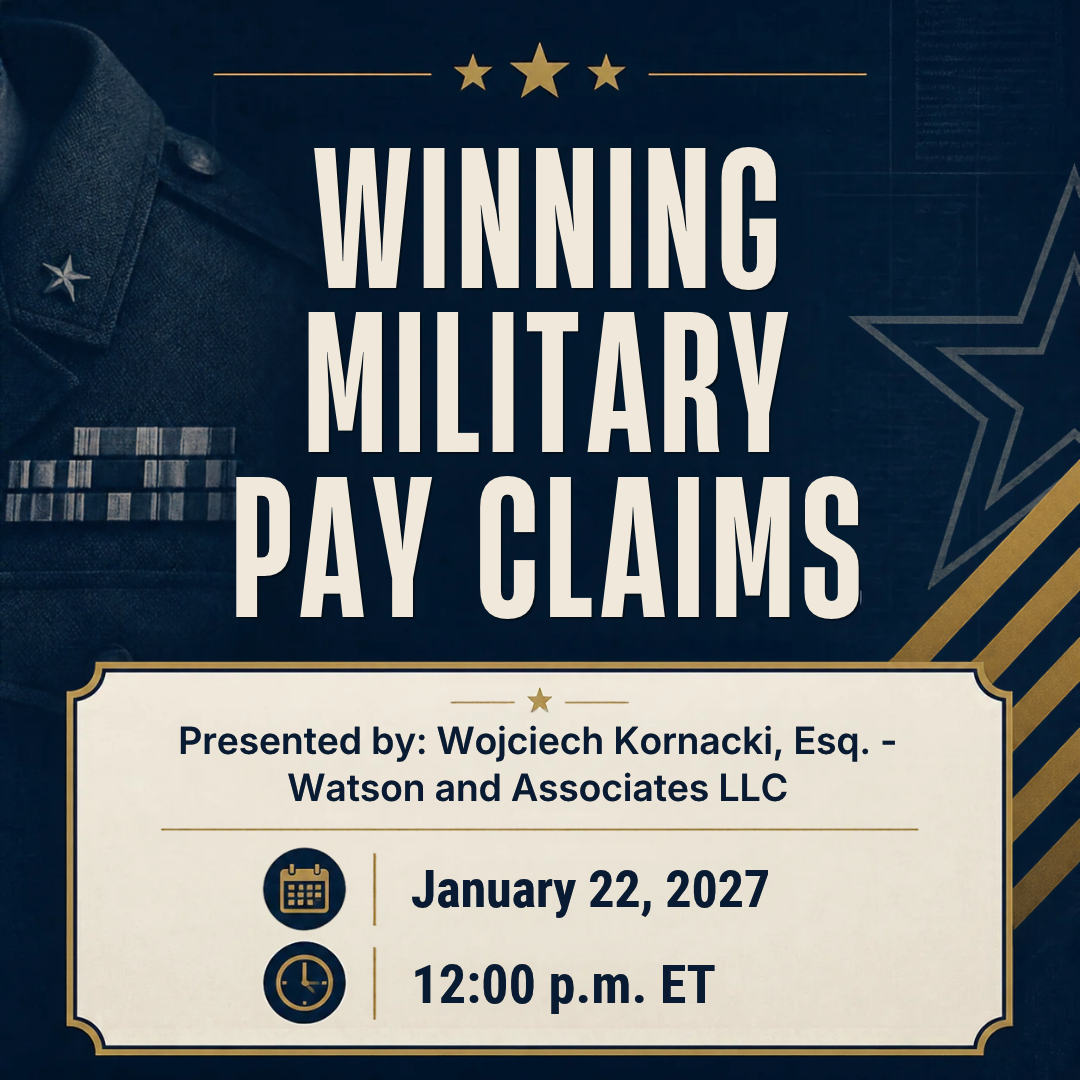
I was wrongfully separated from the military and I will get no military pay and disability retiremen...
Class action litigation presents significant legal and business challenges for employers and corpora...
This course is meant for lawyers of all levels and areas of practice, and in it, we will explore way...
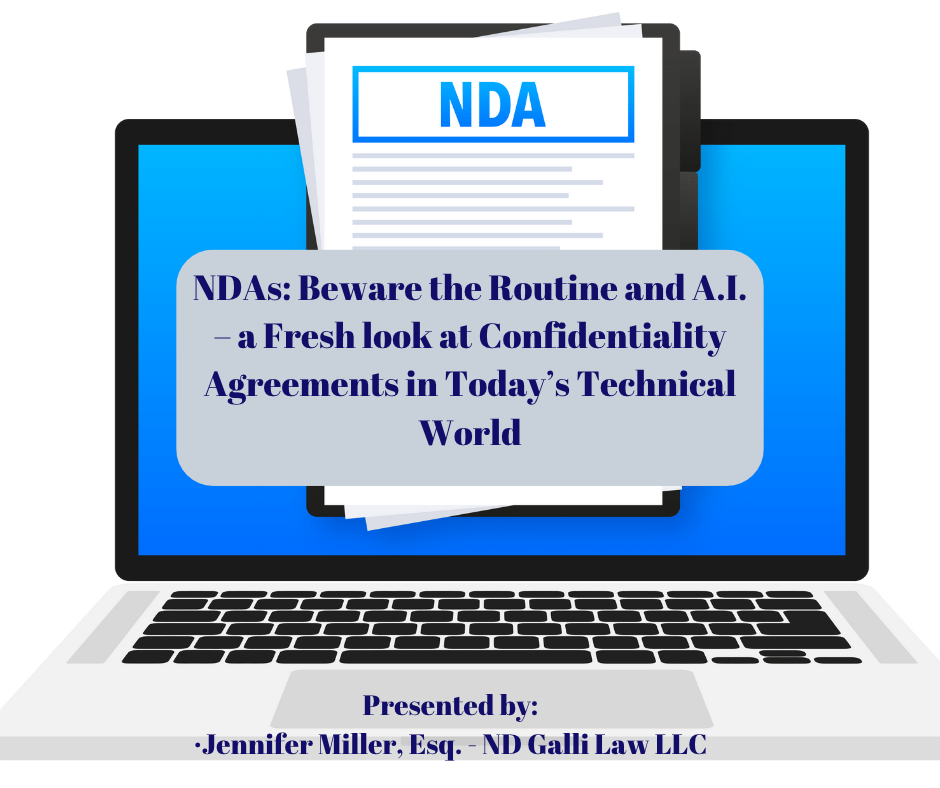
Confidentiality Agreements (also called NDAs) are too often treated as routine. So routine, th...