
Exciting new series on “Voice, Body and Movement for Lawyers – How to connect with the jury and find Justice Through Dramatic Technique!”
Click here to find out more
It is early in the practice of law that one becomes familiar with Justice Sutherland’s words in Berger v. United States: 293, US 78, 88 (1935). Changing the tense somewhat, prosecutors and law enforcement officials generally could be counted, he opined as “ministers of justice”, not striking foul blows, interested in doing justice and with a goal of just not winning. This case was often cited by courts content on the blanket acceptance (but not so much now) of a law enforcement team that Justice Sutherland believed took the moral high ground. Join Jay Goldberg as he discusses multiple cases involving the justice needed to end police trickery and deceit.

This course on trade secrets litigation provides real-world best practices through all key stages of...
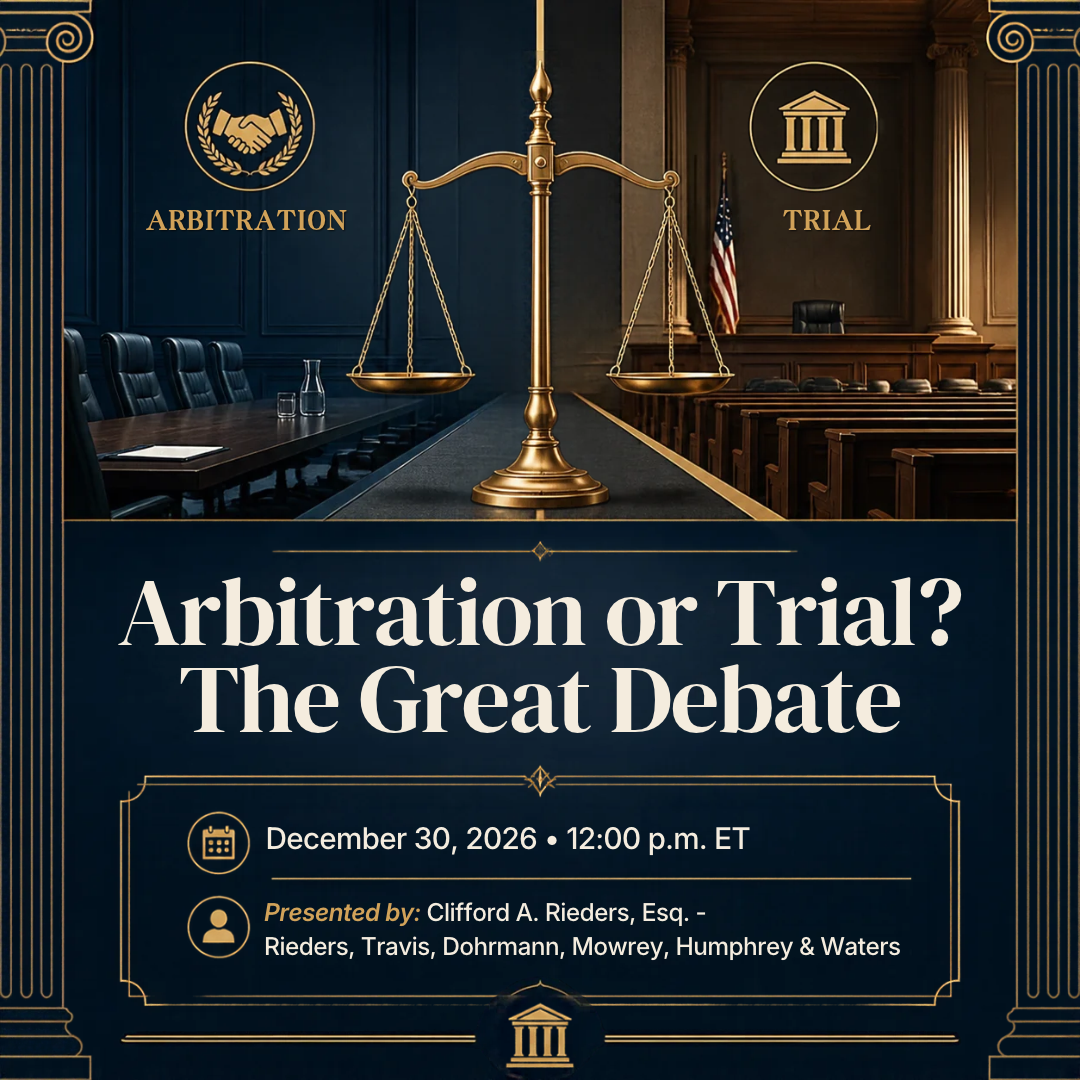
This seminar concerns a scope, jurisdiction, and exceptions to the Federal Arbitration Act. The Act ...

I was wrongfully separated from the military and I will get no military pay and disability retiremen...
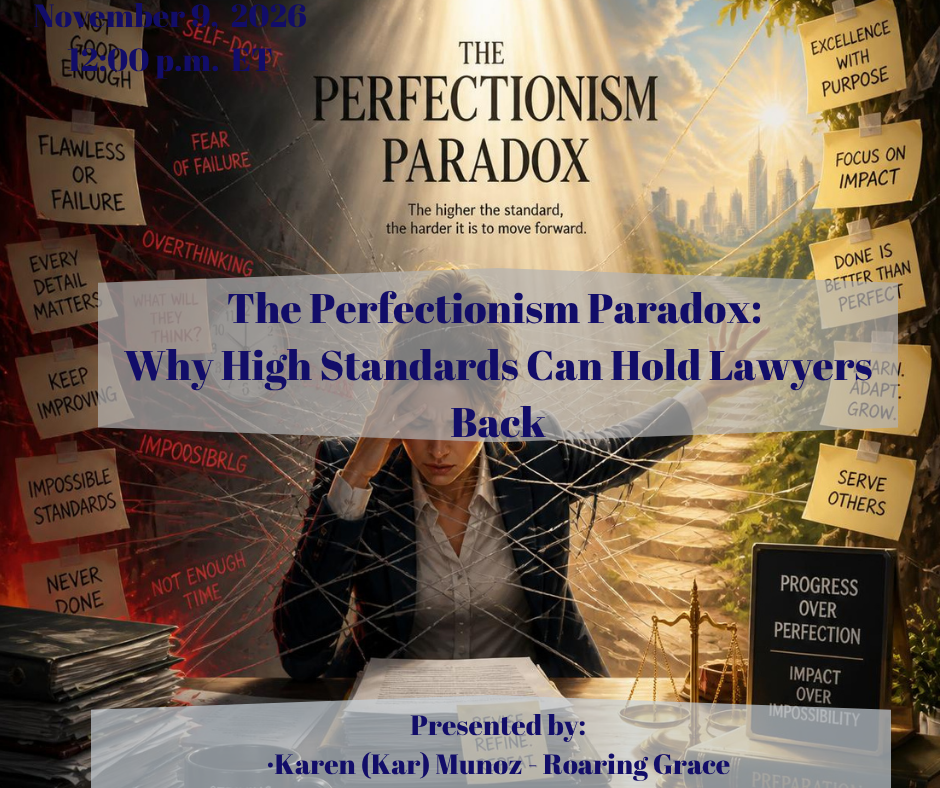
Perfectionism is often rewarded in the legal profession. It drives attention to detail, thorough pre...

As the largest purchaser of goods and services in the world, the United States Government requires f...
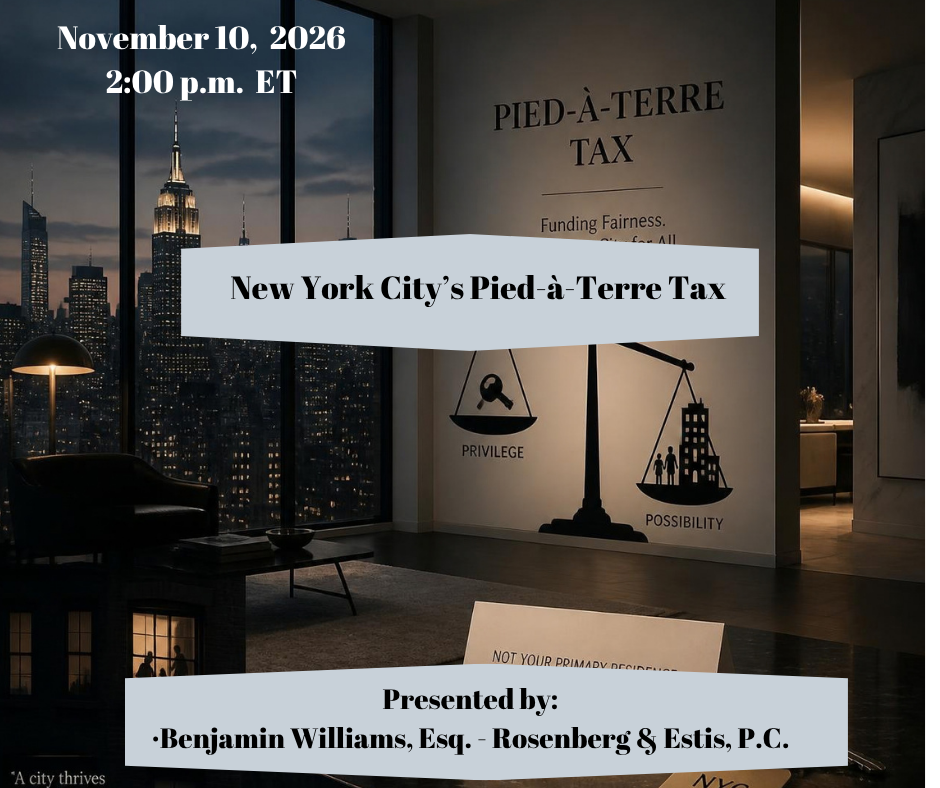
New York City’s new Non-Primary Residence Property Surcharge—commonly known as the pied-...
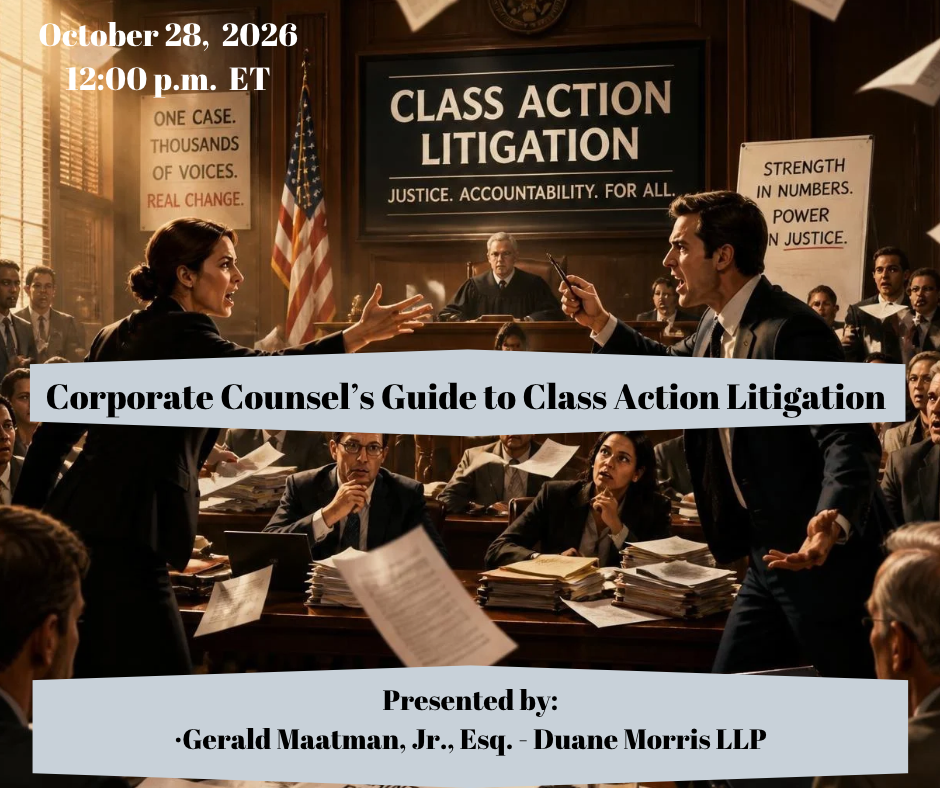
Class action litigation continues to expand in both number of filings and monetary exposure, with se...
During this course you will take a deep dive into federal bid protest litigation at the U.S. Court o...
This program provides trial attorneys with a thorough grounding in the three principal currency repo...

This course is meant for lawyers of all levels and areas of practice, and in it, we will explore way...