
Exciting new series on “Voice, Body and Movement for Lawyers – How to connect with the jury and find Justice Through Dramatic Technique!”
Click here to find out more
With spending on the use of Artificial Intelligence (AI) in healthcare anticipated to skyrocket in the next two years, healthcare professionals, counsel and claims professionals need to prepare themselves now for the medicolegal issues that are coming.
This lecture will focus on how AI is being used in medicine and its anticipated negative consequences, including new medical professional liability risks and discovery issues. The program is designed to educate, inform and enlighten those in healthcare risk management, claims management and information technology about the next revolution in healthcare: the use of AI in medical decision-making.
Confidentiality Agreements (also called NDAs) are too often treated as routine. So routine, th...
This program provides a practical roadmap to mastering every stage of the discovery process in civil...
Turn decades of client relationships into lasting equity. This practical CLE shows attorneys how to ...

This course is meant for lawyers of all levels and areas of practice, and in it, we will explore way...
This program provides trial attorneys with a thorough grounding in the three principal currency repo...
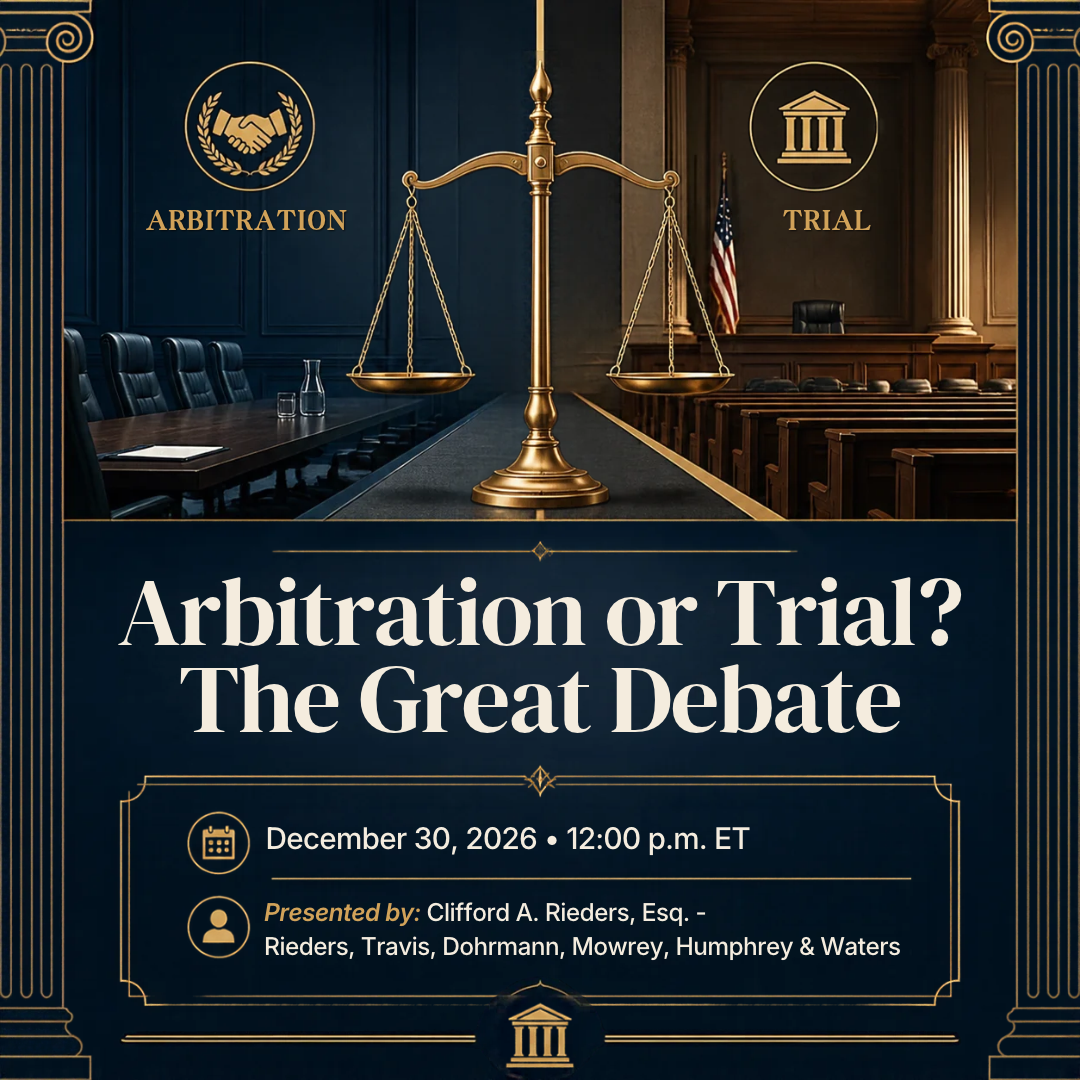
This seminar concerns a scope, jurisdiction, and exceptions to the Federal Arbitration Act. The Act ...
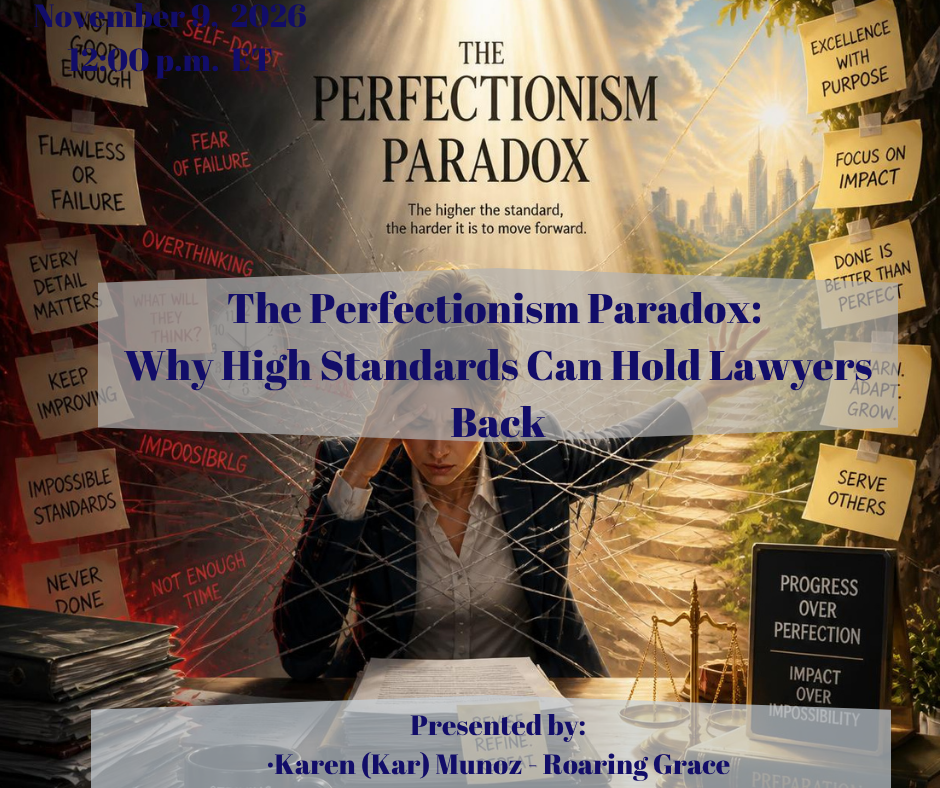
Perfectionism is often rewarded in the legal profession. It drives attention to detail, thorough pre...
Adverse and derogatory information often has devastating effects on a contractor's ability to win co...
Class action waivers in arbitration agreements remain enforceable, but a decade of U.S. Supreme Cour...
This program will discuss how to design and implement legally sound diversity, equity, and inclusion...