
Exciting new series on “Voice, Body and Movement for Lawyers – How to connect with the jury and find Justice Through Dramatic Technique!”
Click here to find out more
Bias in the courtroom is a prevalent problem. Bias exists in all people. The ability to recognize your biases and the biases of your opponent can save or lose your case.
Black’s Law Dictionary Tenth Edition identifies 6 types of bias in the courtroom. Not on the list of biases is “Expert Witness Bias.” As a legal professional responsibility is to recognize whether your expert witness is succumbing to unconscious biases that will be exposed in deposition or trial. We all have biases, learn to overcome yours and deliver a foolproof testimony.
This presentation introduces the six forms of courtroom biases plus expert witness bias. You learn how to recognize these biases in yourself, your expert witness, and the opposition.
After this seminar you will:
• Effectively recognize and reduce your biases
• Know how to counter the biases of the opposition
• Determine whether your forensic examiner’s report is biased
• Recognize the e?ects of bias on forensic examiners’ opinions
• Make implicit biases work in your favor
• Learn how biases impact the jury’s perspective
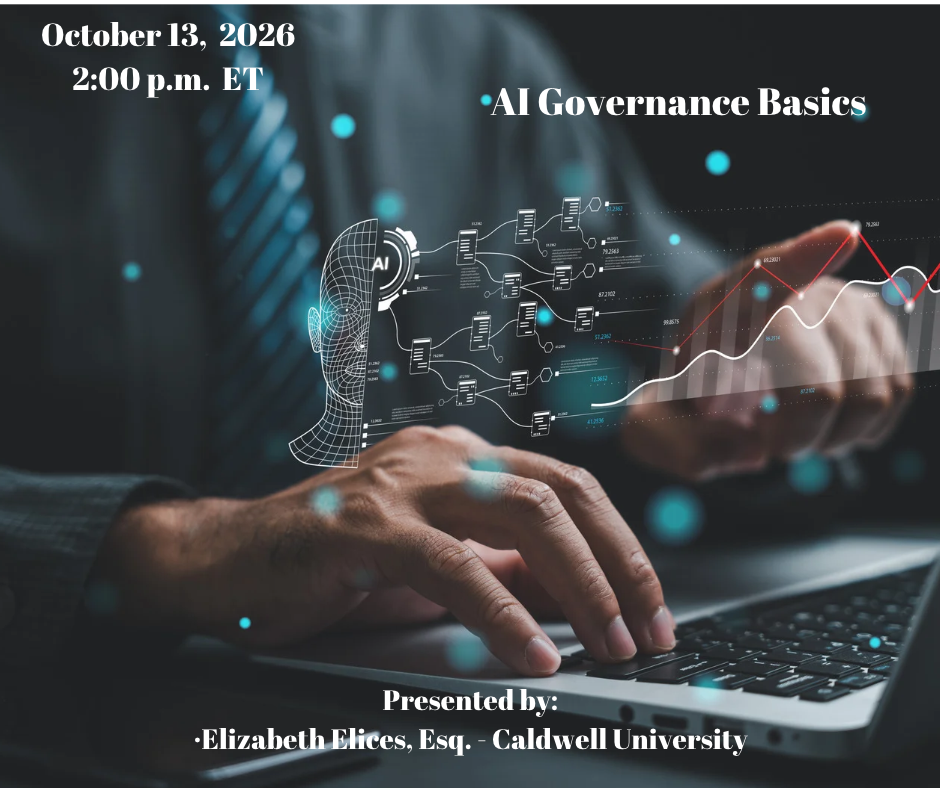
This presentation provides a basic overview of AI governance in the United States for in-house attor...
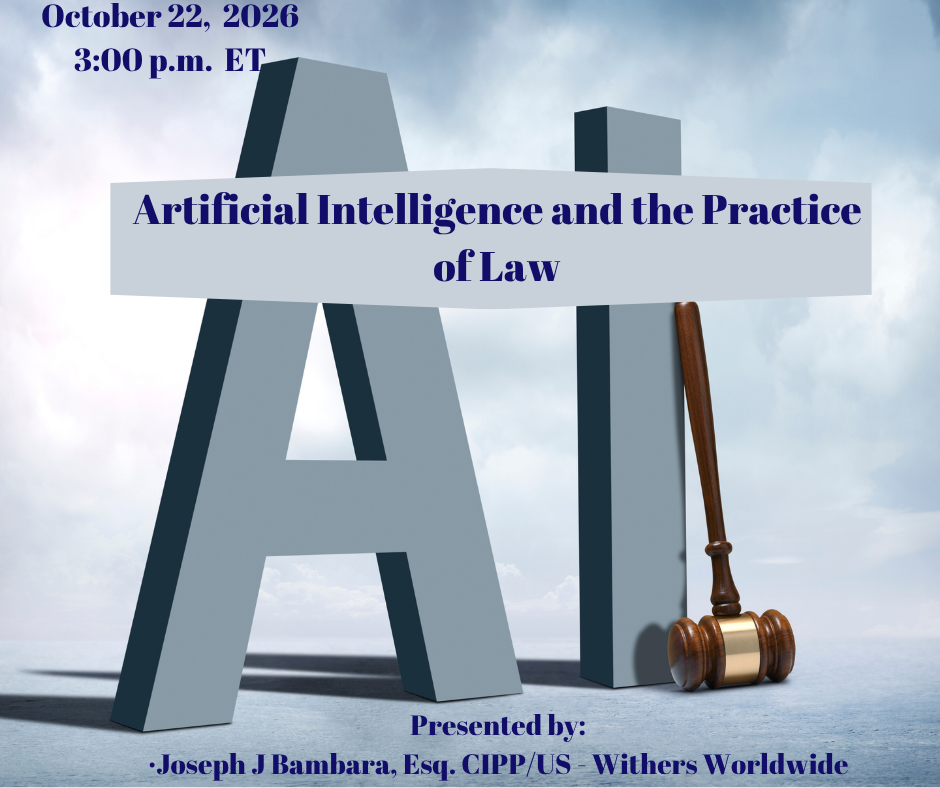
"Artificial Intelligence and the Practice of Law" (updated through 2026), is a 50-slide primer desig...
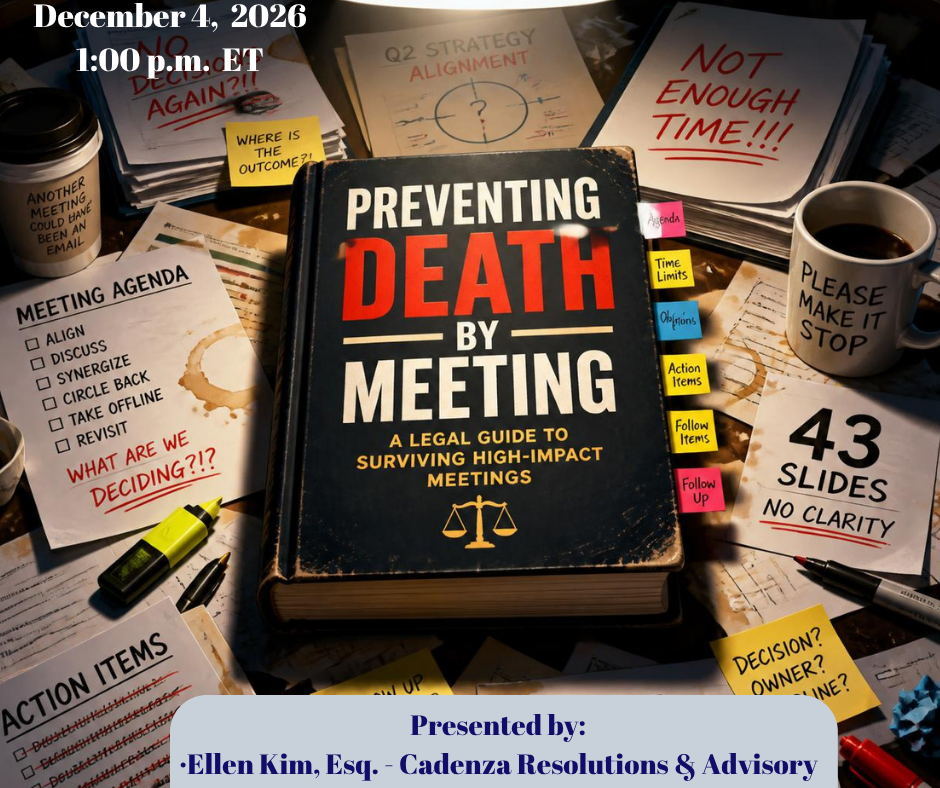
Lawyers lose hundreds of billable and operational hours every year to poorly managed meetings. Unfoc...
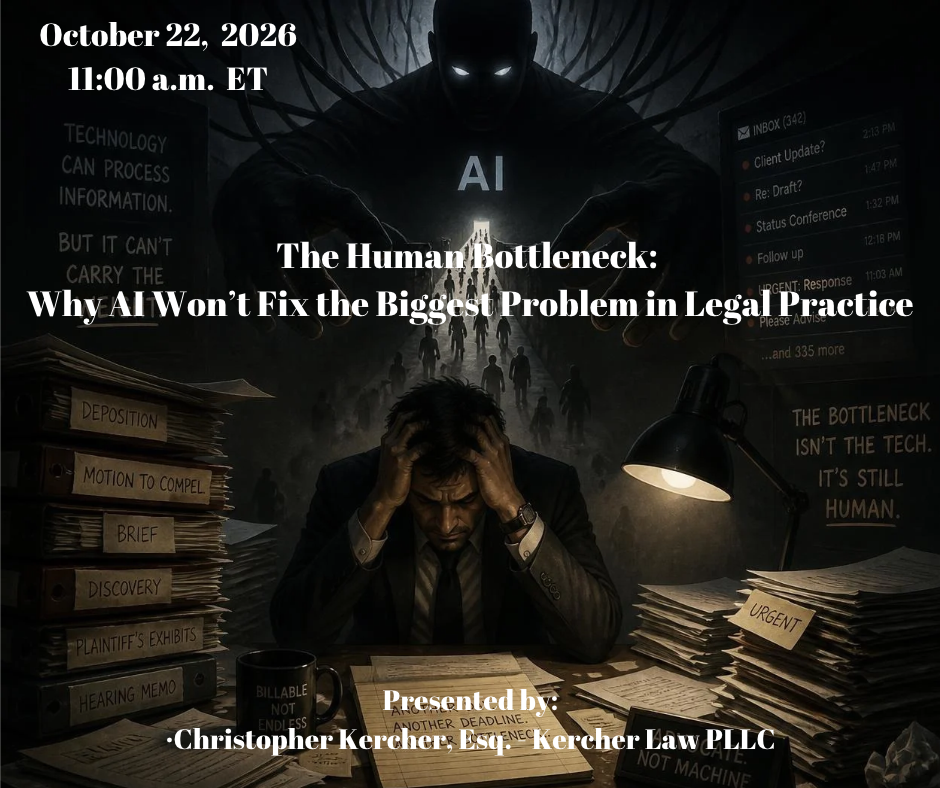
AI tools are advancing faster than legal organizations can absorb them. This program examines why th...
The Aftermath of Scams and Cybercrime: A Practical Guide to Response and Recovery examines the immed...

New York City’s new Non-Primary Residence Property Surcharge—commonly known as the pied-...
Objections are among the most powerful — and most misunderstood — tools in a trial lawye...
This program provides a practical roadmap to mastering every stage of the discovery process in civil...
Every trial lawyer has experienced it: the inner critic before opening statements, the surge of ange...

During this course, you will learn about best practices and strategies for retaining intellectual pr...