
Exciting new series on “Voice, Body and Movement for Lawyers – How to connect with the jury and find Justice Through Dramatic Technique!”
Click here to find out more
Richard Bernard and Scott Gautier, Faegre Drinker Biddle & Reath LLP partners from both coasts, discuss the importance of Circuit Court (and Bankruptcy Court) splits that have significant impact on venue selection in corporate chapter 11 cases. Richard and Scott highlight a few relevant splits related to: (i) non-consensual third party releases; (ii) sales free and clear; and (iii) non-consensual assumption of executory contracts with particular emphasis on decisions in the 2nd, 3rd, 5th and 9th circuits. The presentation provides insight into these topical splits as well as the legal significance for corporate debtors of filing in one place or another.
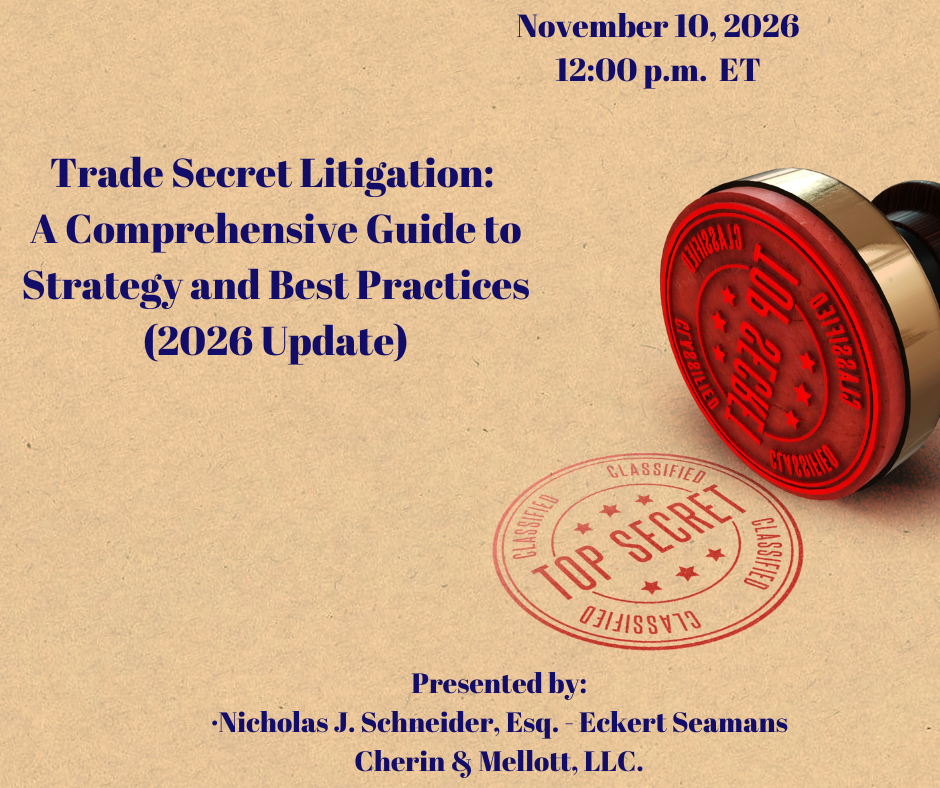
This course on trade secrets litigation provides real-world best practices through all key stages of...
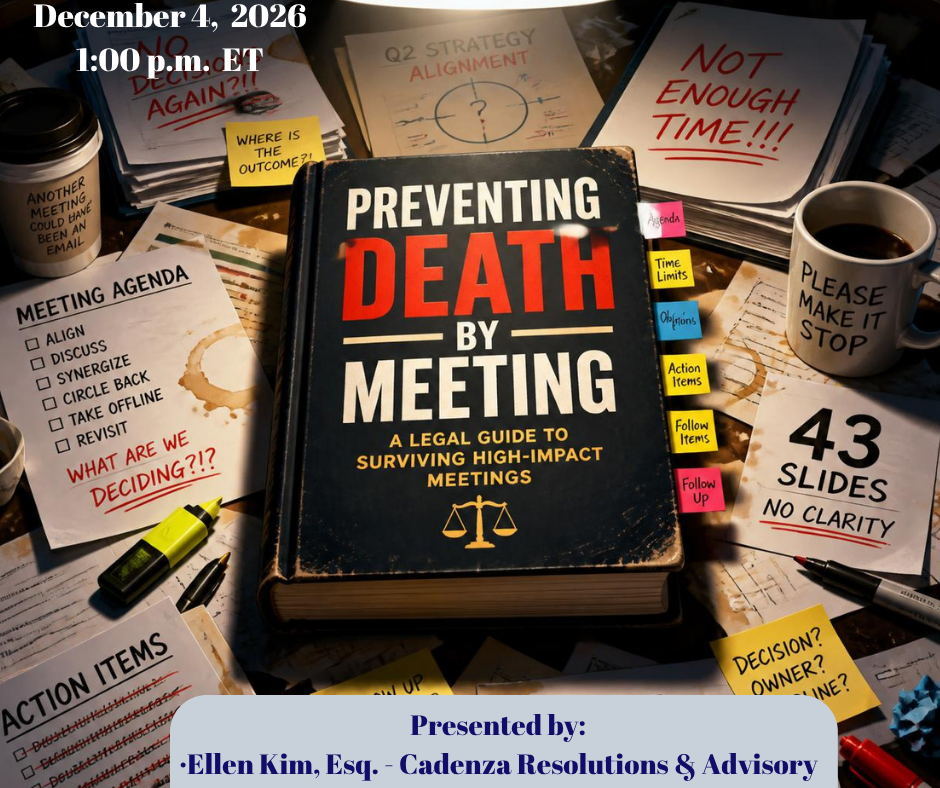
Lawyers lose hundreds of billable and operational hours every year to poorly managed meetings. Unfoc...

New York City’s new Non-Primary Residence Property Surcharge—commonly known as the pied-...
During this course you will take a deep dive into federal bid protest litigation at the U.S. Court o...
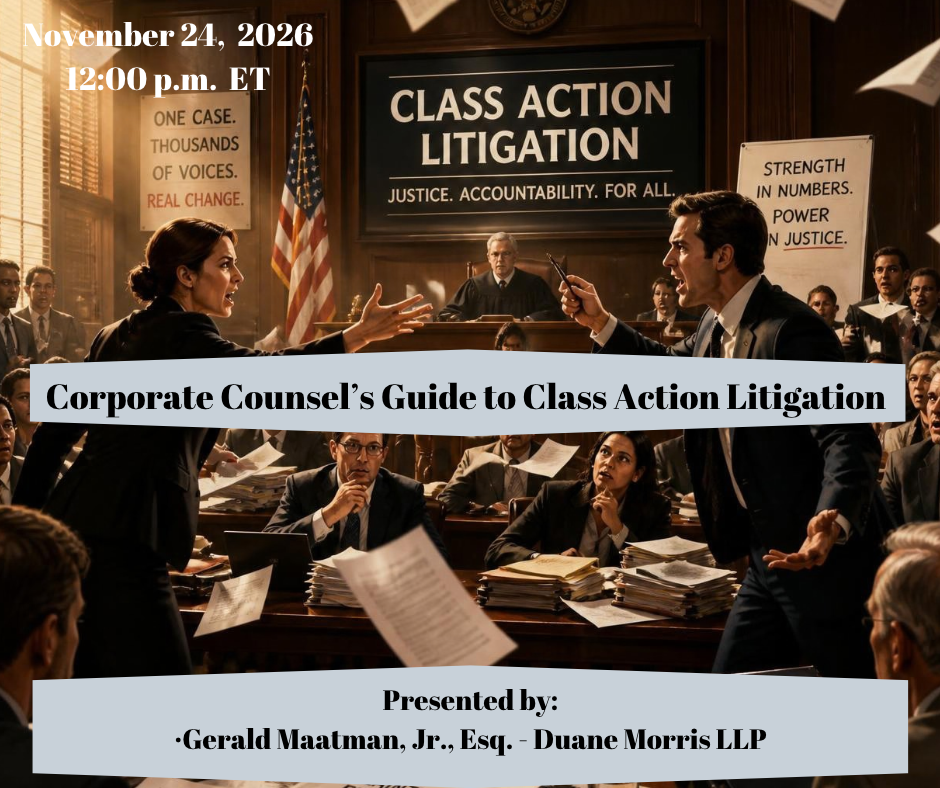
Class action litigation continues to expand in both number of filings and monetary exposure, with se...
Class action waivers in arbitration agreements remain enforceable, but a decade of U.S. Supreme Cour...

I was wrongfully separated from the military and I will get no military pay and disability retiremen...
This seminar concerns a scope, jurisdiction, and exceptions to the Federal Arbitration Act. The Act ...
Class action litigation presents significant legal and business challenges for employers and corpora...
During this course, you will learn about best practices and strategies for retaining intellectual pr...