
Exciting new series on “Voice, Body and Movement for Lawyers – How to connect with the jury and find Justice Through Dramatic Technique!”
Click here to find out more
In a recently released transcript, Rudy Giuliani told federal agents it was permissible to “throw a fake” during an electoral campaign. Just weeks before that transcript became public, Giuliani was suspended from the practice of law in New York for baselessly asserting that thousands of felons and dead people voted during the 2020 presidential election and that Georgia voting machines had been manipulated.
This program will examine the ethics rules implicated by Giuliani’s recent conduct—ABA Rules 1.2, 3.3, 4.1, and 8.4—and provide guidance on how to avoid suffering Rudy’s fate.

I was wrongfully separated from the military and I will get no military pay and disability retiremen...
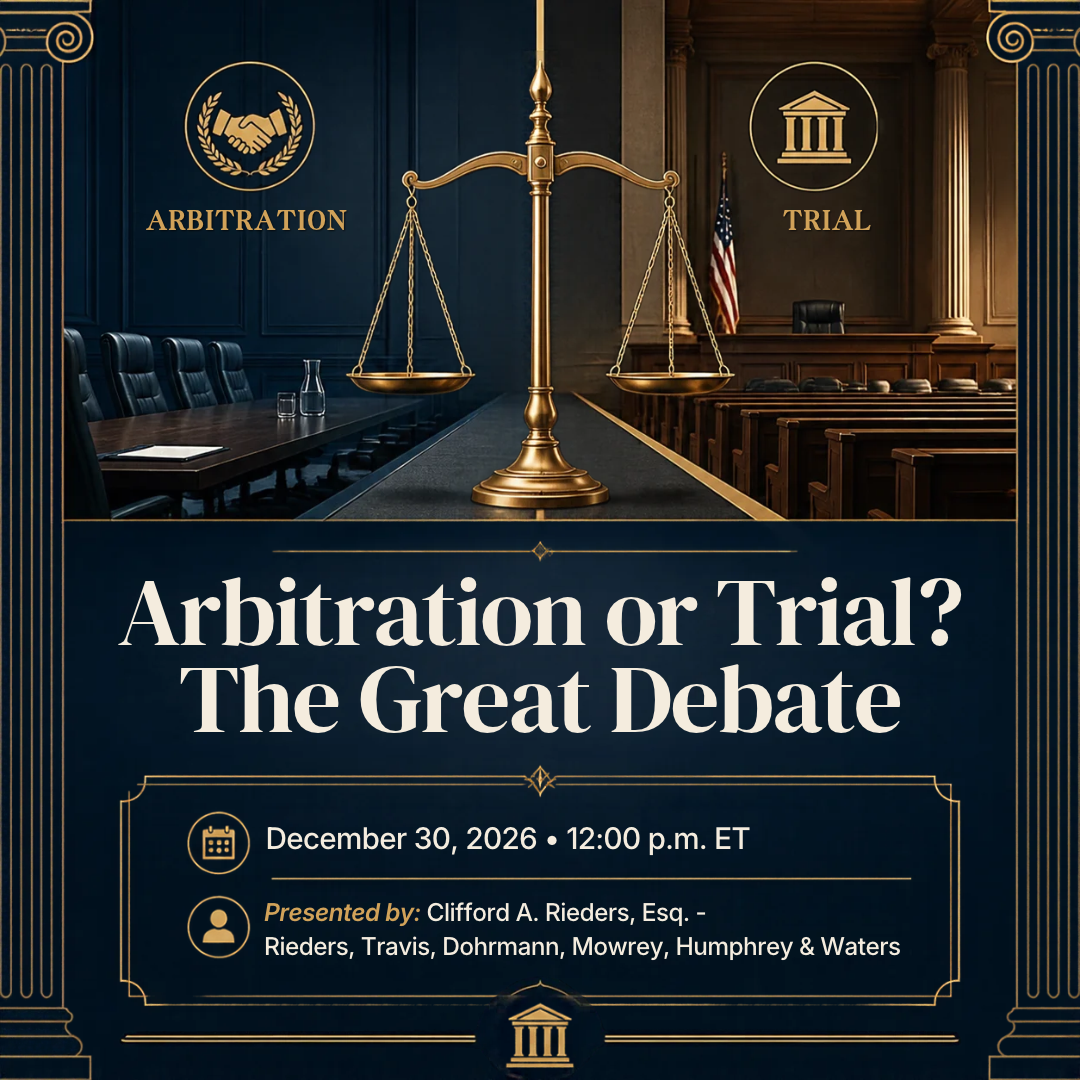
This seminar concerns a scope, jurisdiction, and exceptions to the Federal Arbitration Act. The Act ...
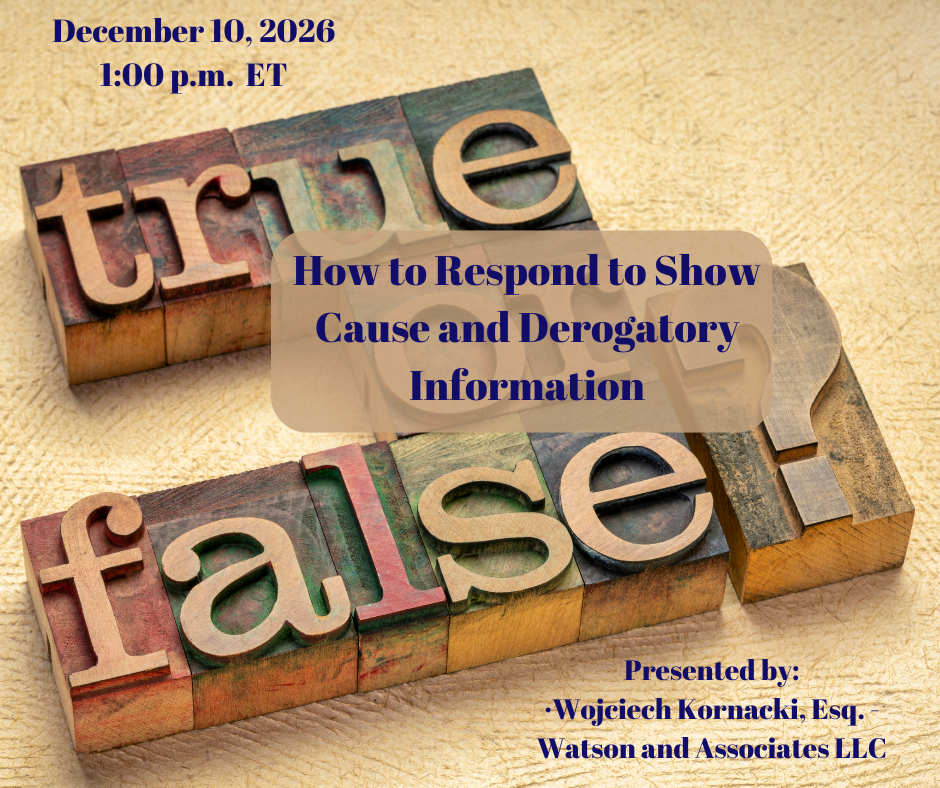
Adverse and derogatory information often has devastating effects on a contractor's ability to win co...
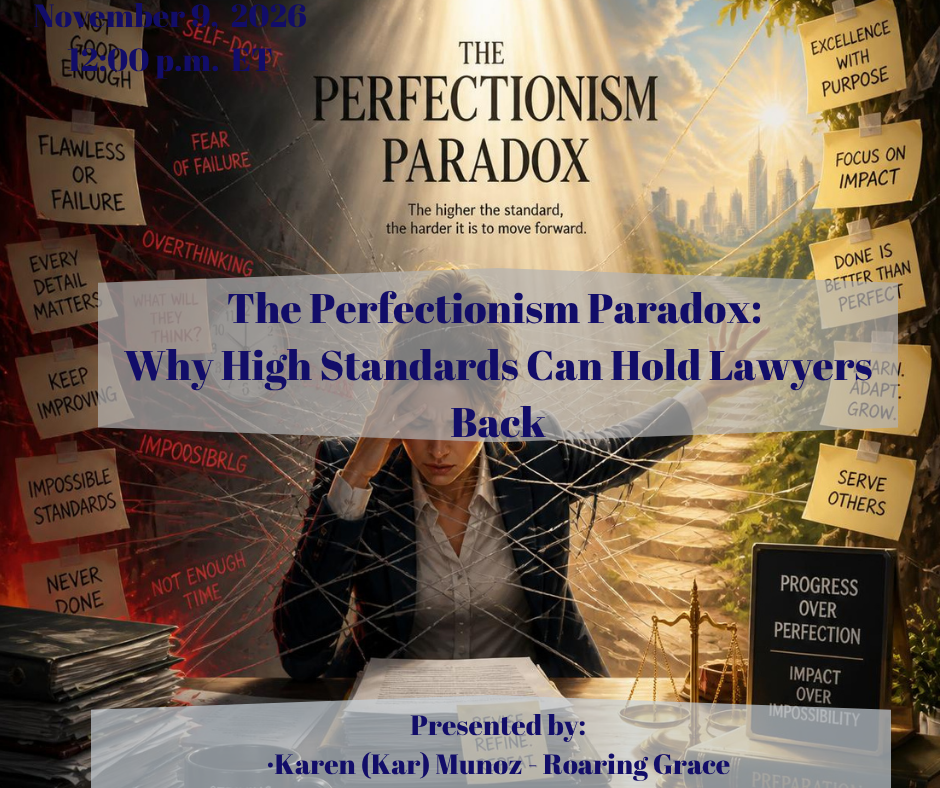
Perfectionism is often rewarded in the legal profession. It drives attention to detail, thorough pre...
This program provides a practical roadmap to mastering every stage of the discovery process in civil...
During this course you will take a deep dive into federal bid protest litigation at the U.S. Court o...
This program provides trial attorneys with a thorough grounding in the three principal currency repo...

This course is meant for lawyers of all levels and areas of practice, and in it, we will explore way...
Lawyers lose hundreds of billable and operational hours every year to poorly managed meetings. Unfoc...
Class action litigation continues to expand in both number of filings and monetary exposure, with se...