
Exciting new series on “Voice, Body and Movement for Lawyers – How to connect with the jury and find Justice Through Dramatic Technique!”
Click here to find out more
Join FTI Consulting and Squire Patton Boggs as they discuss the heightened risks and mitigation strategies related to conducting investigations during Covid-19. The panel will address the landscape of risks in today’s “new normal”, including data security threats posed by employees working from home, and offer best practices for in-house legal teams. Learn strategies used by corporations to conduct investigations, detect data compromises and protect data in a remote work environment, as well as new approaches to preserve, collect and review from the numerous emerging data sources being used today.
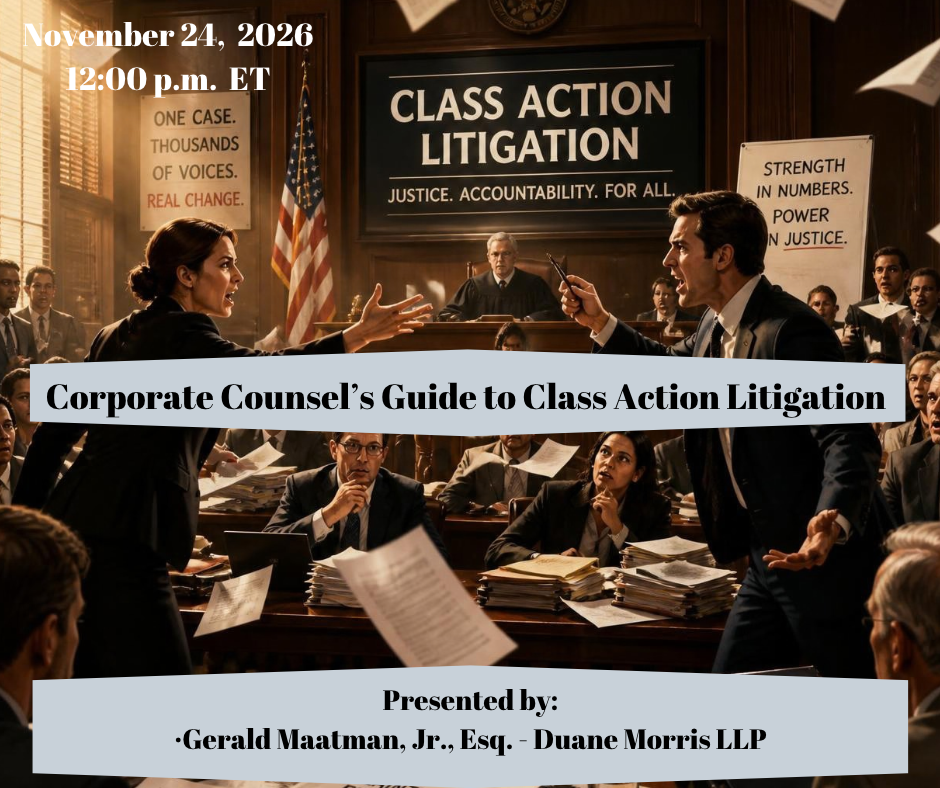
Class action litigation continues to expand in both number of filings and monetary exposure, with se...

New York City’s new Non-Primary Residence Property Surcharge—commonly known as the pied-...
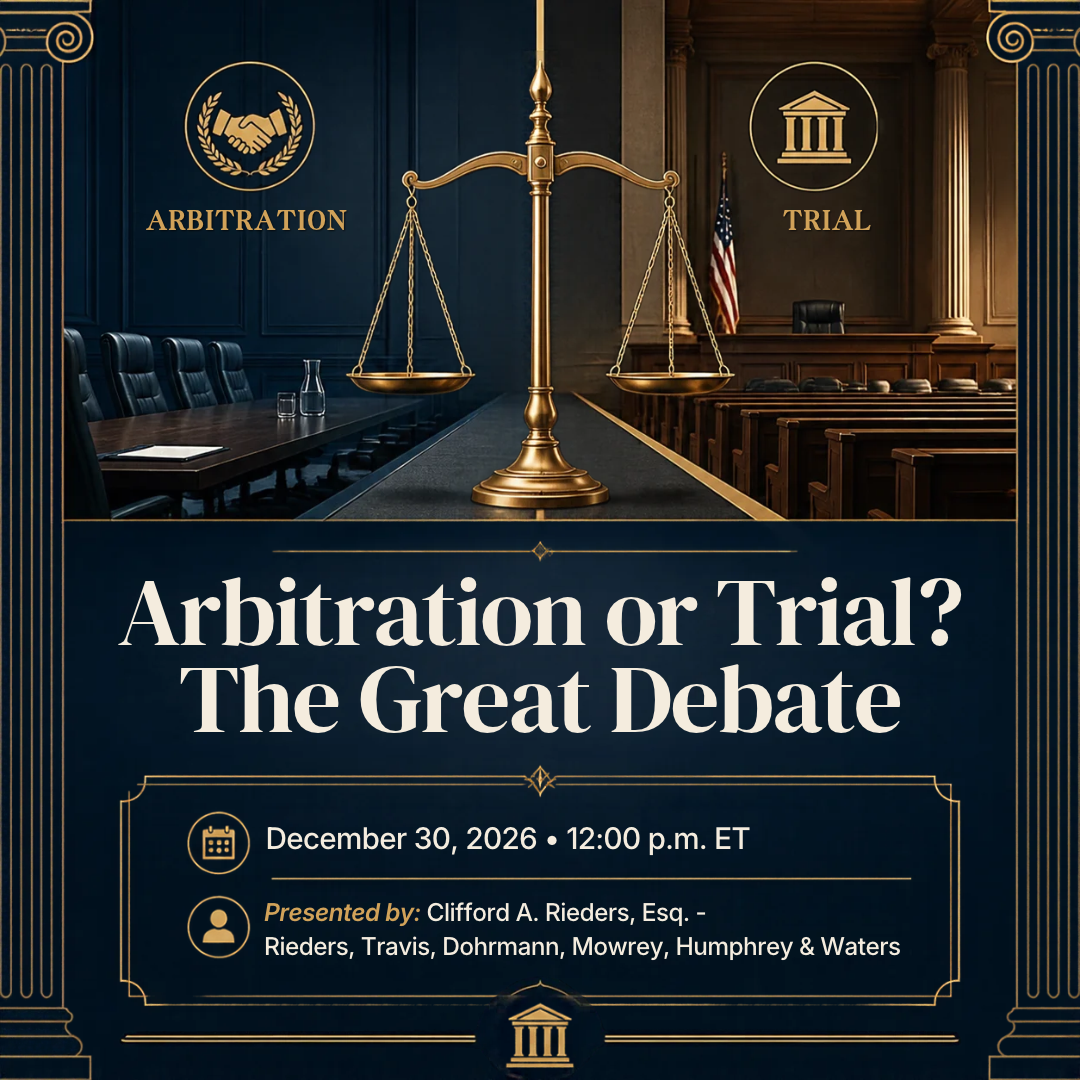
This seminar concerns a scope, jurisdiction, and exceptions to the Federal Arbitration Act. The Act ...

The practice of law places legal professionals under extraordinary and often chronic stress, making ...
This course on trade secrets litigation provides real-world best practices through all key stages of...

During this course you will take a deep dive into federal bid protest litigation at the U.S. Court o...
This program provides a practical roadmap to mastering every stage of the discovery process in civil...
Class action litigation presents significant legal and business challenges for employers and corpora...
Confidentiality Agreements (also called NDAs) are too often treated as routine. So routine, th...
Adverse and derogatory information often has devastating effects on a contractor's ability to win co...