
Exciting new series on “Voice, Body and Movement for Lawyers – How to connect with the jury and find Justice Through Dramatic Technique!”
Click here to find out more
The FCRA is a part of a group of acts contained in the Federal Consumer Credit Protection Act such as the Truth in Lending Act and the Fair Debt Collection Practices Act. Fair Credit Reporting Act covers more than just credit reporting companies such as credit bureaus. It now defines and covers all consumer reporting agencies that gather, retain, compile, issue, and use credit reports, insurance reports, employee background reports, tenant screening, bank bad check and overdraft reports, and other consumer reports based on consumer reporting information such as consumer credit experiences, court records, and other personal consumer information. During this webinar we will explore the core basics and also talk about the current environment.
• Overview of FCRA
• Reporting requirements for credit agencies
• Error resolution
• consumer rights
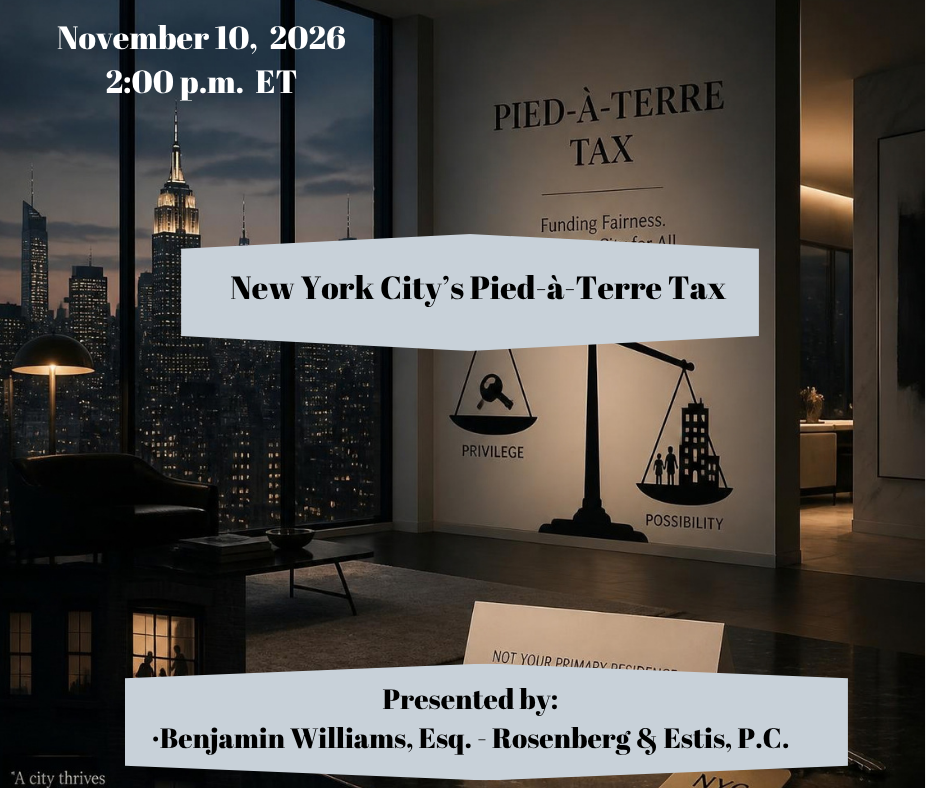
New York City’s new Non-Primary Residence Property Surcharge—commonly known as the pied-...
Class action waivers in arbitration agreements remain enforceable, but a decade of U.S. Supreme Cour...
Confidentiality Agreements (also called NDAs) are too often treated as routine. So routine, th...
Data privacy remains one of the most rapid areas of growth in the class action space. Plaintiffs con...
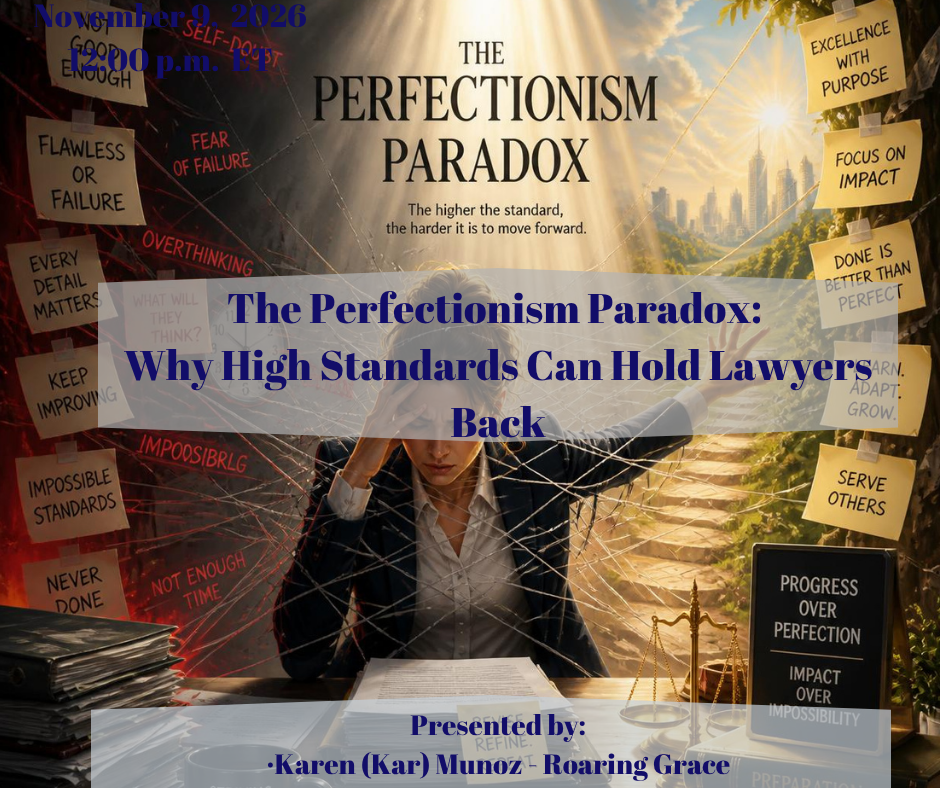
Perfectionism is often rewarded in the legal profession. It drives attention to detail, thorough pre...
This program provides a practical roadmap to mastering every stage of the discovery process in civil...

During this course you will take a deep dive into federal bid protest litigation at the U.S. Court o...
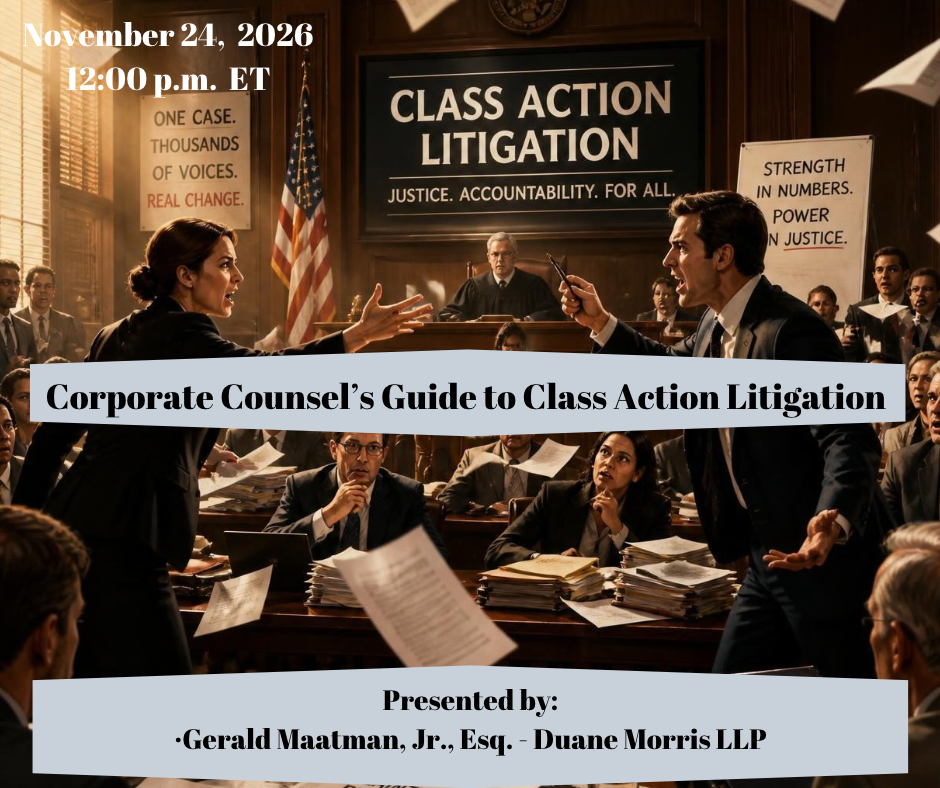
Class action litigation continues to expand in both number of filings and monetary exposure, with se...
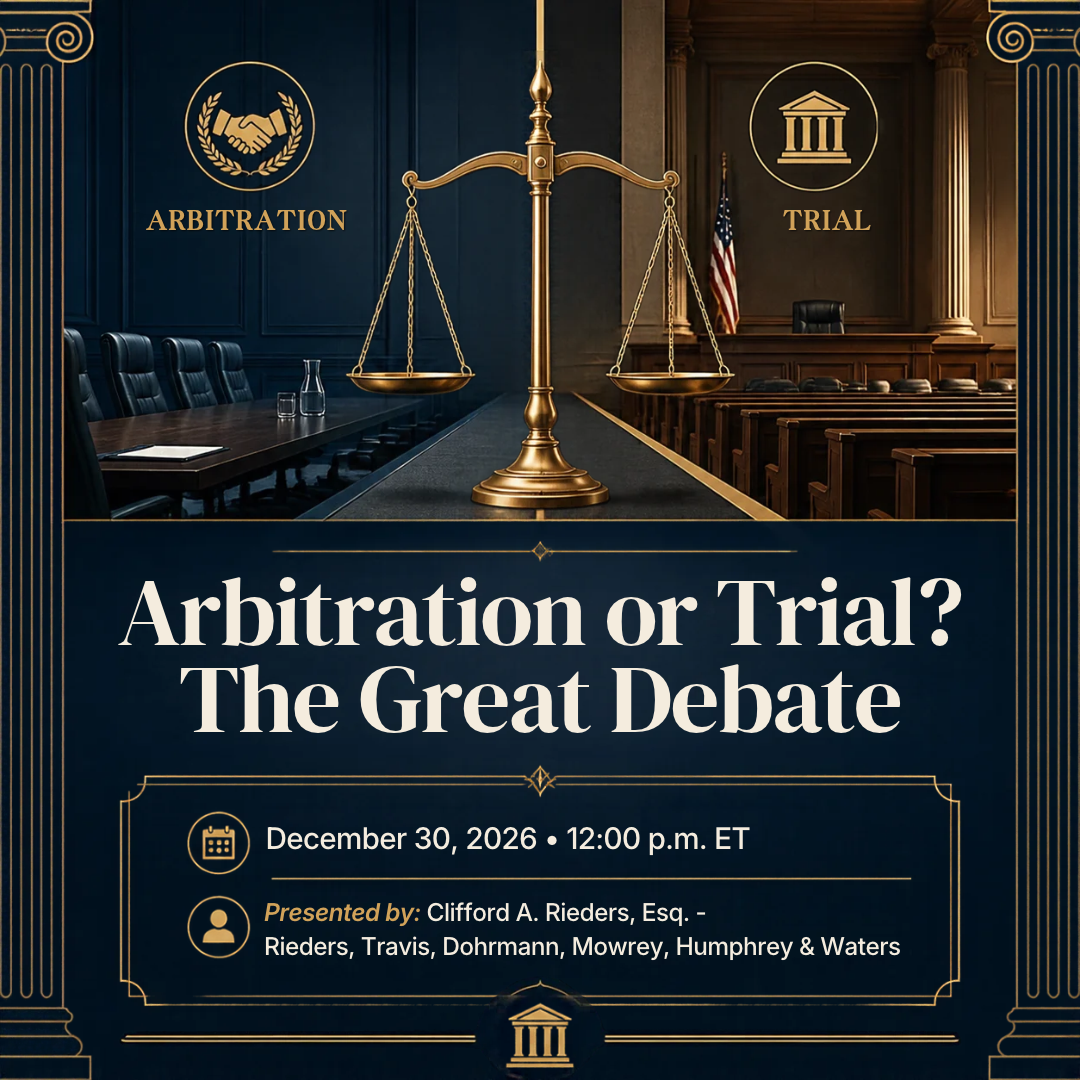
This program examines the scope, jurisdiction, and exceptions to the Federal Arbitration Act (FAA), ...
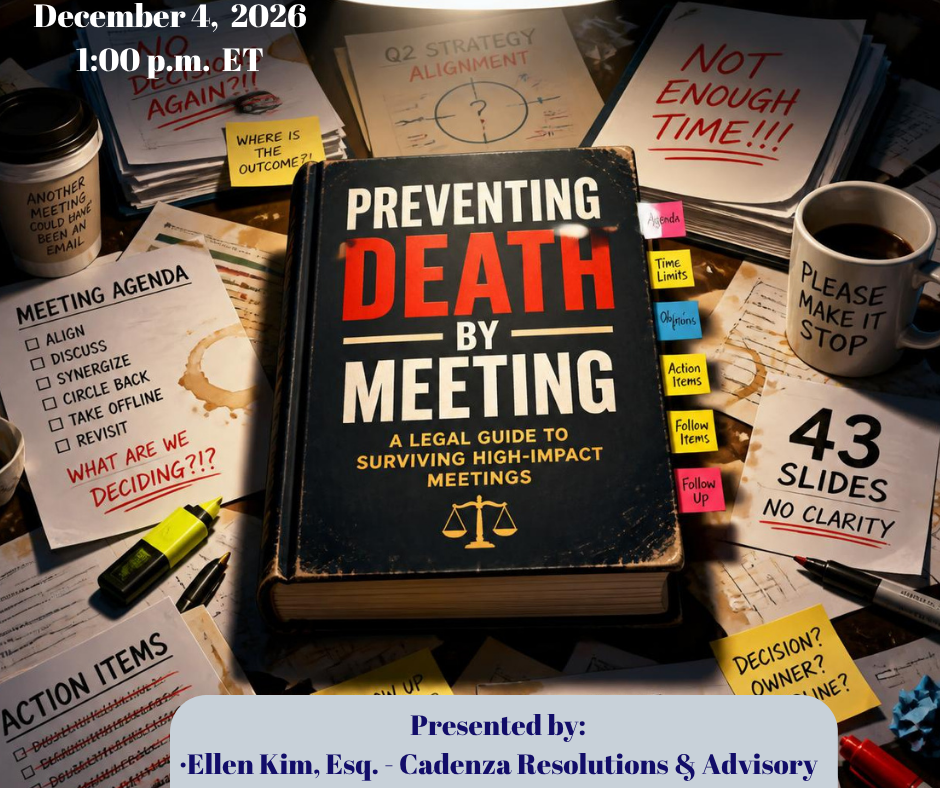
Lawyers lose hundreds of billable and operational hours every year to poorly managed meetings. Unfoc...