
Exciting new series on “Voice, Body and Movement for Lawyers – How to connect with the jury and find Justice Through Dramatic Technique!”
Click here to find out more
Attorneys benefit from knowing about how addictive problems present in themselves and others, and about how these problems can be addressed. Although AA (Alcoholics Anonymous) is very well known throughout the US, other very different approaches to addressing addictive problems exist. In many cases these alternatives appear to be equally effective to AA. The dominance of AA has minimized awareness of these alternatives.
This presentation will focus on the differences between SMART Recovery, the leading alternative mutual help group, and AA. SMART is substantially smaller than AA, but sufficiently available (in person or online) for anyone motivated to attend. Many who might prefer SMART and its self-empowering approach (which contrasts substantially with AA’s powerlessness approach) are not aware SMART exists. The presentation will review the evidence about the effectiveness of AA and SMART, and their differences (and similarities). A final section will overview appeals court rulings which begin in the 1990’s and prohibit the government from requiring AA attendance specifically (although mutual help group attendance may be required). AA has been deemed religious enough that government mandated attendance violates the First Amendment.
Learning objectives are to:
1. recall two fundamental differences between AA and SMART
2. recall that AA and SMART appear to be equally effective
3. recall that there are numerous appeals courts decisions prohibiting government mandated AA attendance.
As the largest purchaser of goods and services in the world, the United States Government requires f...
"Artificial Intelligence and the Practice of Law" (updated through 2026), is a 50-slide primer desig...

New York City’s new Non-Primary Residence Property Surcharge—commonly known as the pied-...
This program provides a practical roadmap to mastering every stage of the discovery process in civil...
Turn decades of client relationships into lasting equity. This practical CLE shows attorneys how to ...
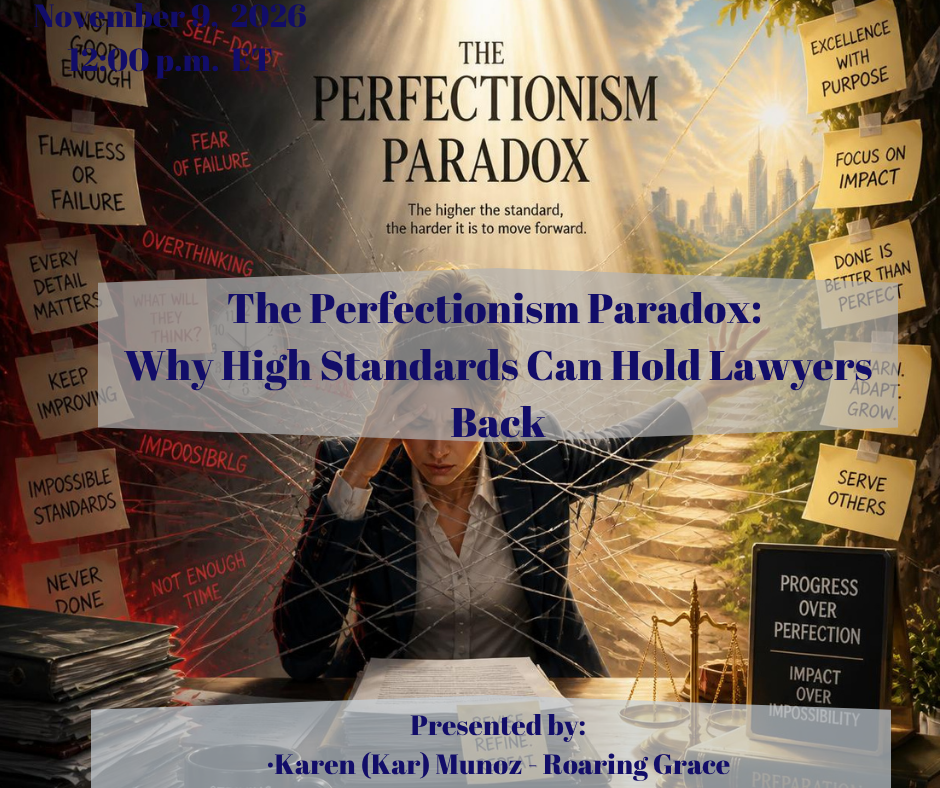
Perfectionism is often rewarded in the legal profession. It drives attention to detail, thorough pre...
Class action litigation presents significant legal and business challenges for employers and corpora...
During this course, you will learn about best practices and strategies for retaining intellectual pr...
Class action waivers in arbitration agreements remain enforceable, but a decade of U.S. Supreme Cour...
This course on trade secrets litigation provides real-world best practices through all key stages of...