
Exciting new series on “Voice, Body and Movement for Lawyers – How to connect with the jury and find Justice Through Dramatic Technique!”
Click here to find out more
Your firm’s cybersecurity is only as strong as your weakest link: your employees. 95% of all successful cyber breaches are due to human behavior. Human behavior is the biggest threat to your firm’s cybersecurity, and this webinar will show you how to address that threat. You’ll learn how to educate and train your team so that they help rather than hurt your cybersecurity. With these strategies, you can create a security-first culture that will help your firm survive and thrive in the face of the cyber pandemic.
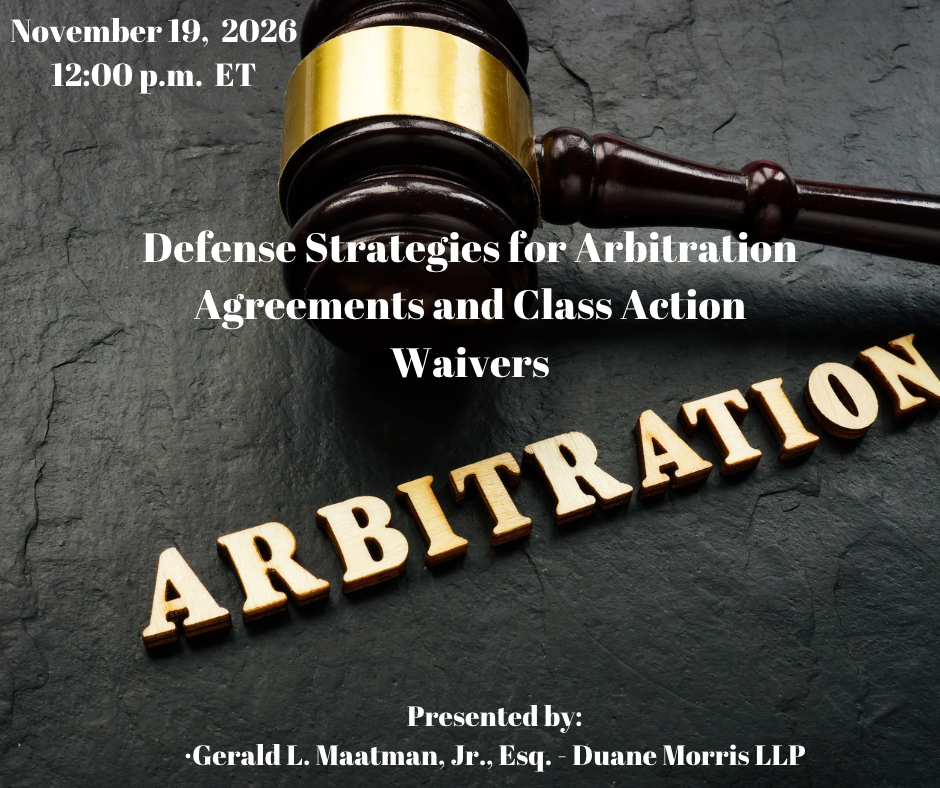
Class action waivers in arbitration agreements remain enforceable, but a decade of U.S. Supreme Cour...

2026 was a very important year when it comes to federal procurement developments, Artificial Intelli...

Perfectionism is often rewarded in the legal profession. It drives attention to detail, thorough pre...
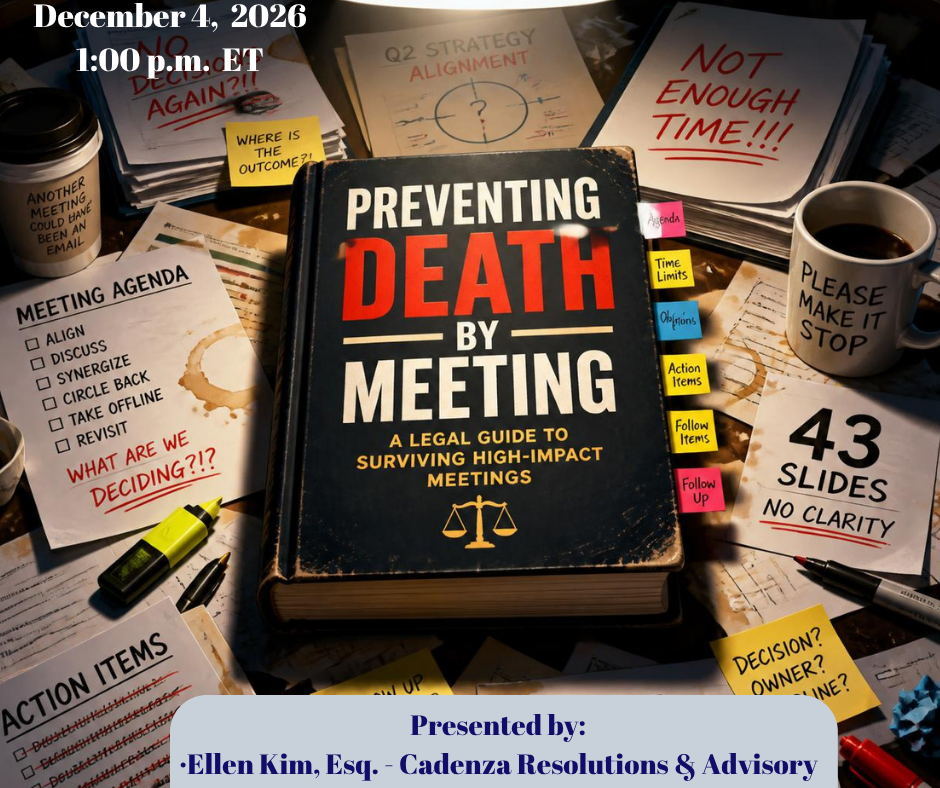
Lawyers lose hundreds of billable and operational hours every year to poorly managed meetings. Unfoc...
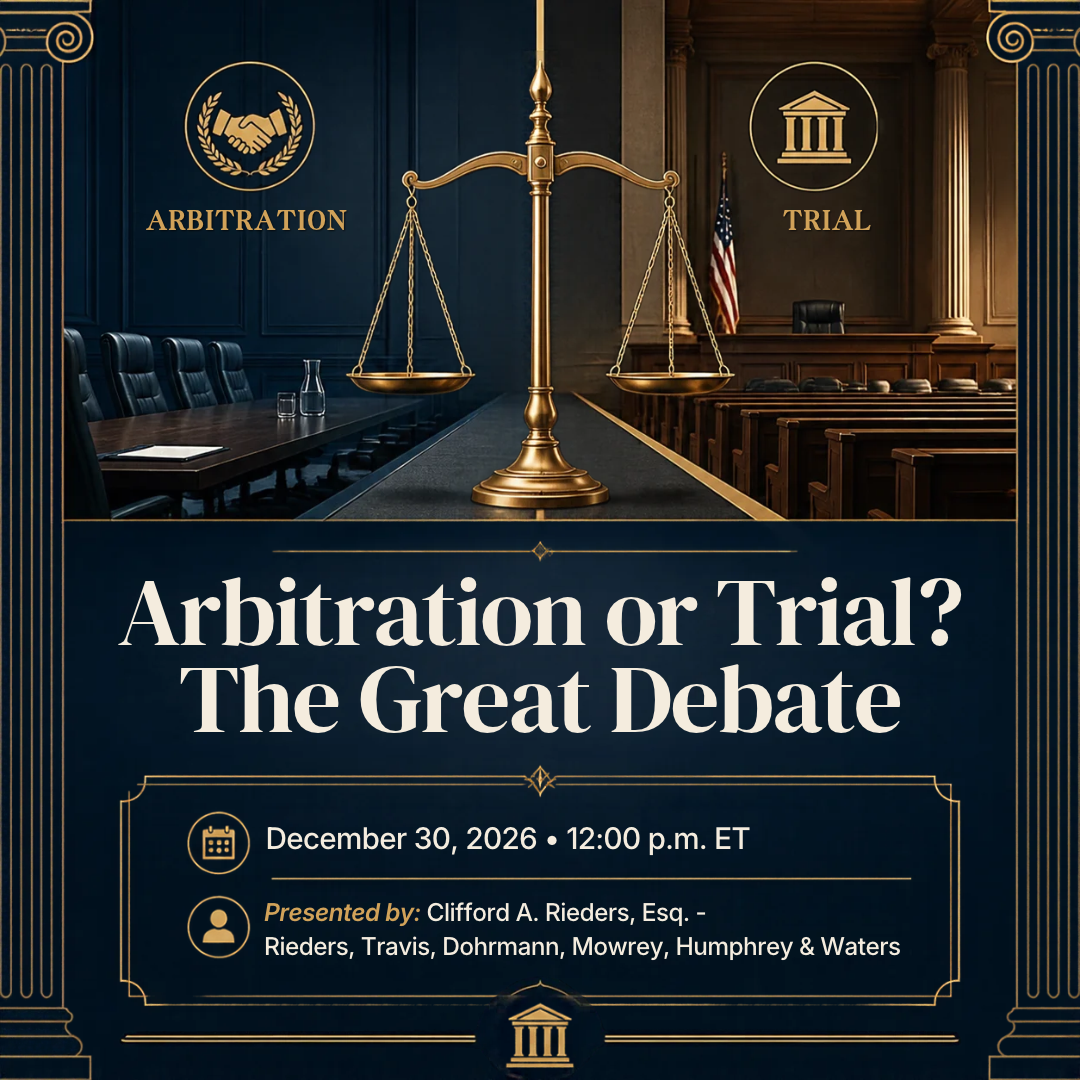
This seminar concerns a scope, jurisdiction, and exceptions to the Federal Arbitration Act. The Act ...

New York City’s new Non-Primary Residence Property Surcharge—commonly known as the pied-...

This course is meant for lawyers of all levels and areas of practice, and in it, we will explore way...

Class action litigation presents significant legal and business challenges for employers and corpora...
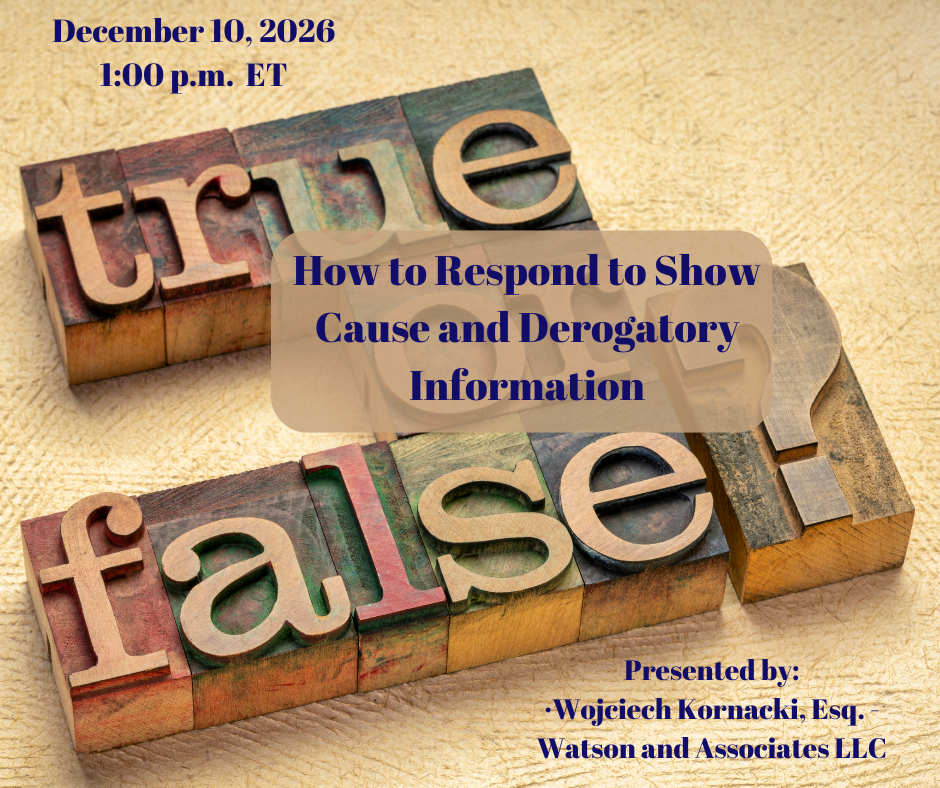
Adverse and derogatory information often has devastating effects on a contractor's ability to win co...

This program provides trial attorneys with a thorough grounding in the three principal currency repo...