
Exciting new series on “Voice, Body and Movement for Lawyers – How to connect with the jury and find Justice Through Dramatic Technique!”
Click here to find out more
Immigration law is governed by a complex mix of statutes, regulations, federal and administrative court guidance, including policies from multiple administrative agencies. Because of its complexity, individuals as well as businesses may be impacted in ways that, in some cases, can be detrimental to their legal affairs in the United States.
Today more than ever, it is important for attorneys to have a minimum understanding of immigration law and how it can affect the outcomes of a matter -- regardless of the area of the law. This presentation is intended to provide legal practitioners with tips on issues they may encounter when representing clients (individuals or corporations) and help them to spot immigration issues to determine when to involve an immigration attorney for assistance with a specific matter.

During this course you will take a deep dive into federal bid protest litigation at the U.S. Court o...
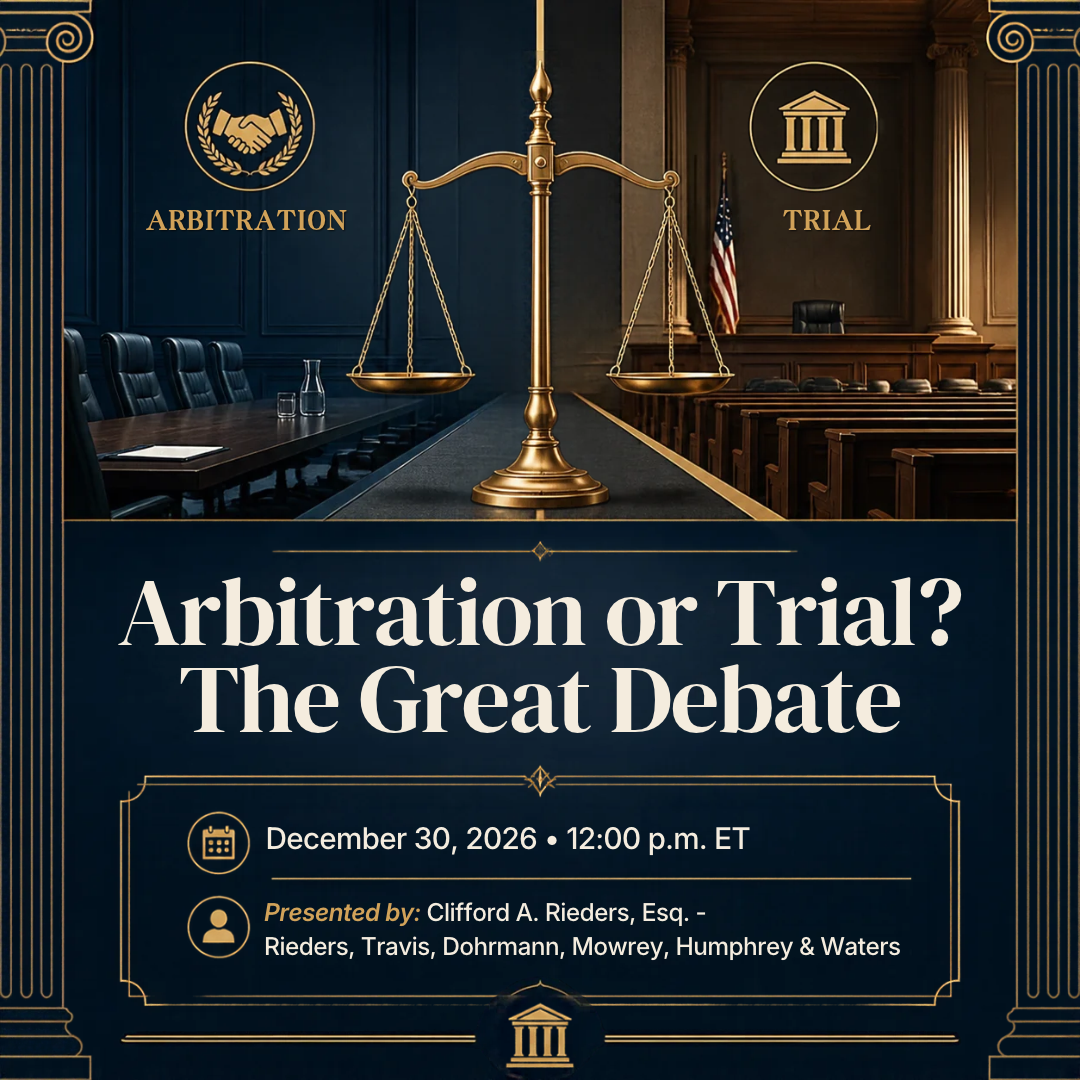
This seminar concerns a scope, jurisdiction, and exceptions to the Federal Arbitration Act. The Act ...
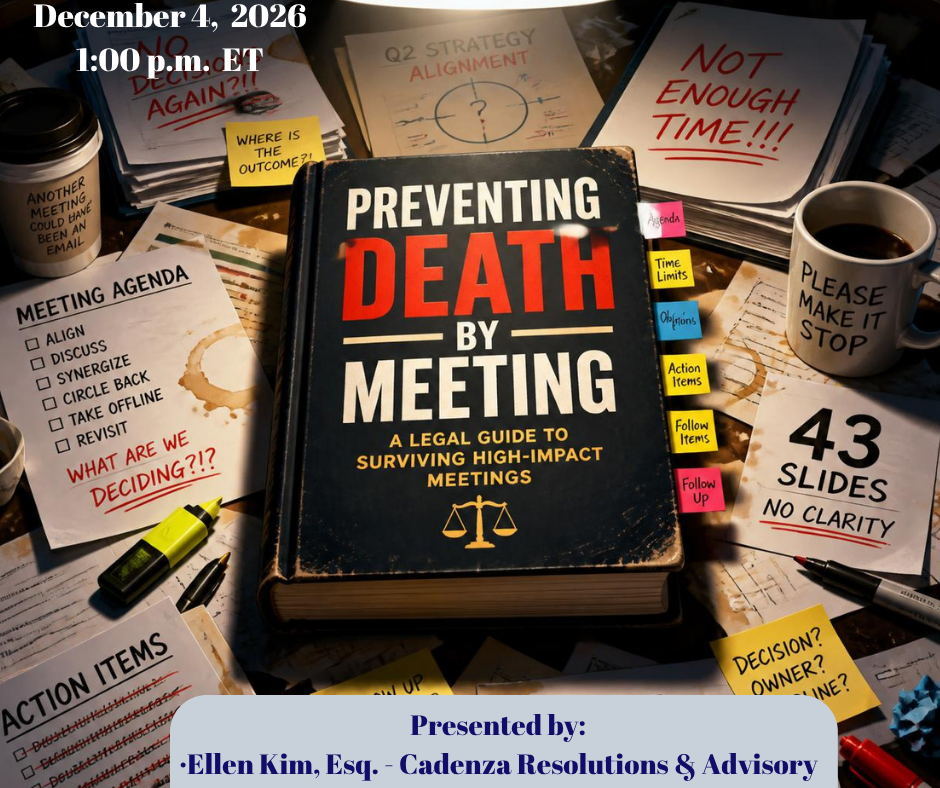
Lawyers lose hundreds of billable and operational hours every year to poorly managed meetings. Unfoc...
This course on trade secrets litigation provides real-world best practices through all key stages of...
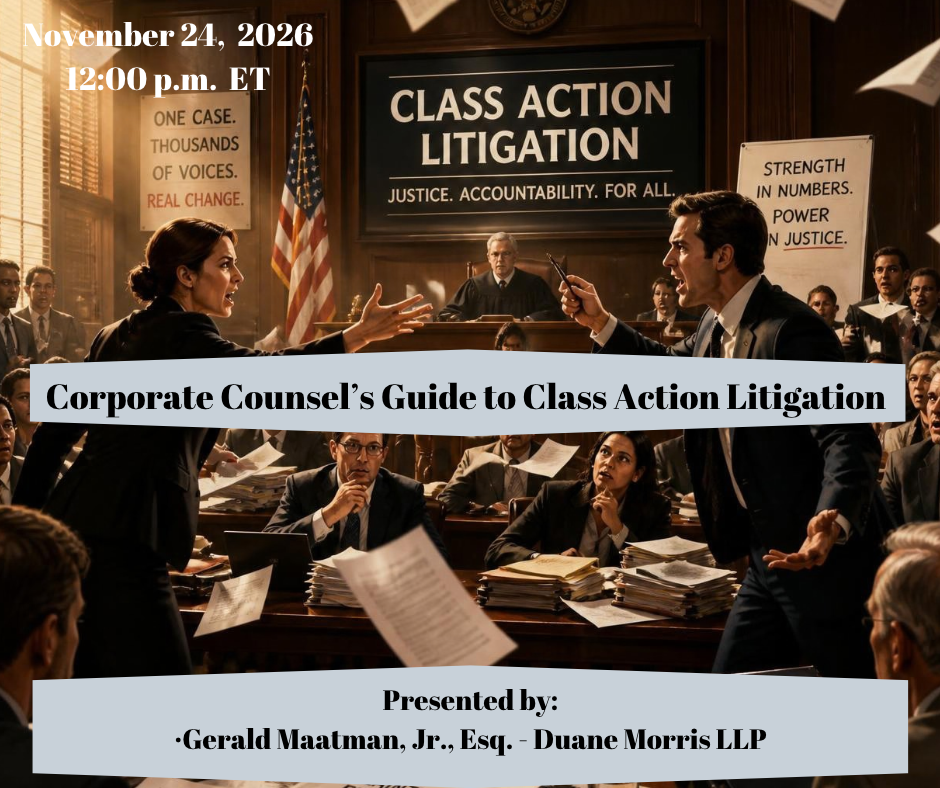
Class action litigation continues to expand in both number of filings and monetary exposure, with se...
This program provides a practical roadmap to mastering every stage of the discovery process in civil...
New York City’s new Non-Primary Residence Property Surcharge—commonly known as the pied-...

As the largest purchaser of goods and services in the world, the United States Government requires f...
Confidentiality Agreements (also called NDAs) are too often treated as routine. So routine, th...
2026 was a very important year when it comes to federal procurement developments, Artificial Intelli...