
Exciting new series on “Voice, Body and Movement for Lawyers – How to connect with the jury and find Justice Through Dramatic Technique!”
Click here to find out more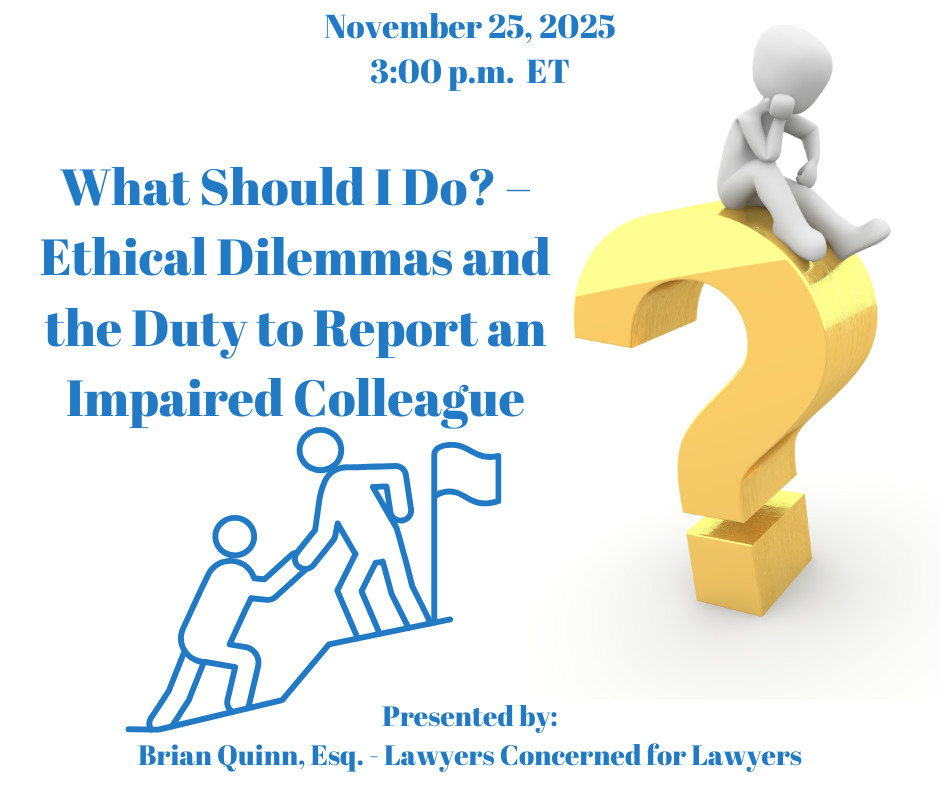
"I think he drinks too much - but he's my boss!"
“She's the firm's rainmaker, but something isn't right."
"What will happen to our reputation if our clients find out he's in a mental health facility"?
These issues are becoming more common as the prevalence rates for impairment due to substance and alcohol misuse, stress, anxiety and depression continue to rise. One out of three lawyers will require some form of treatment for these issues in their careers. Despite these startling statistics, the fear of asking for help remains. Many believe it is the very culture which has been created in the legal profession that has lent itself to the notion that overwork remains the norm and seeking assistance is a sign of weakness.
This program will explore:

The landscape of global finance is undergoing a seismic shift as traditional assets migrate to the b...
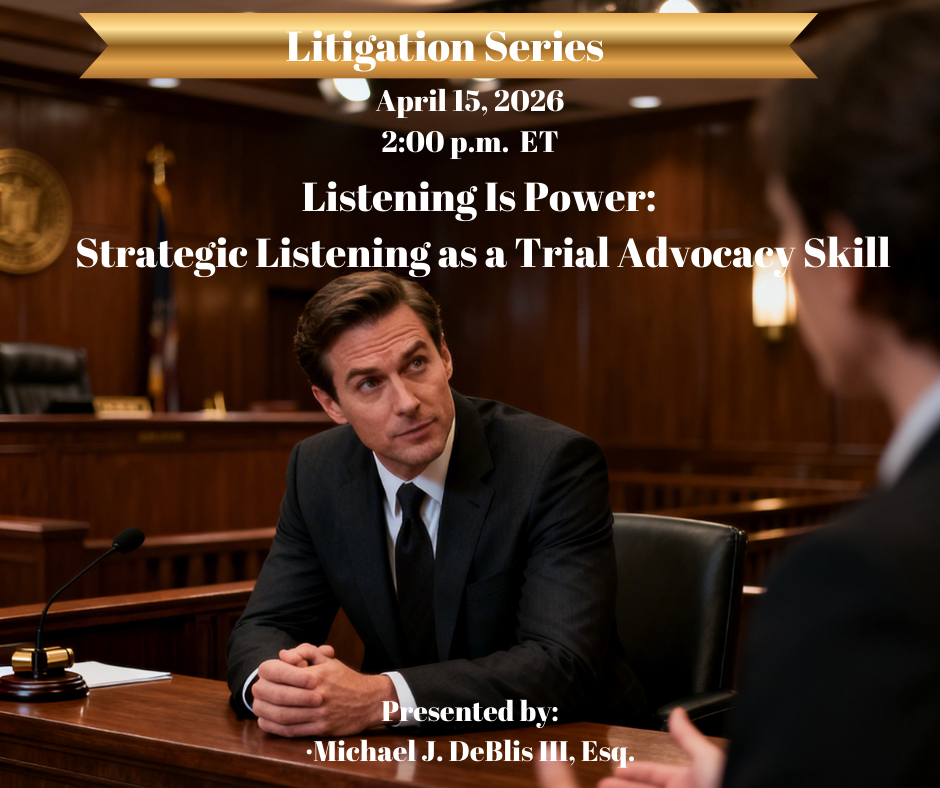
This program examines listening as an active, strategic trial advocacy skill rather than a passive c...

This program is geared towards lawyers, experts, commercial property owners, and others in the envir...
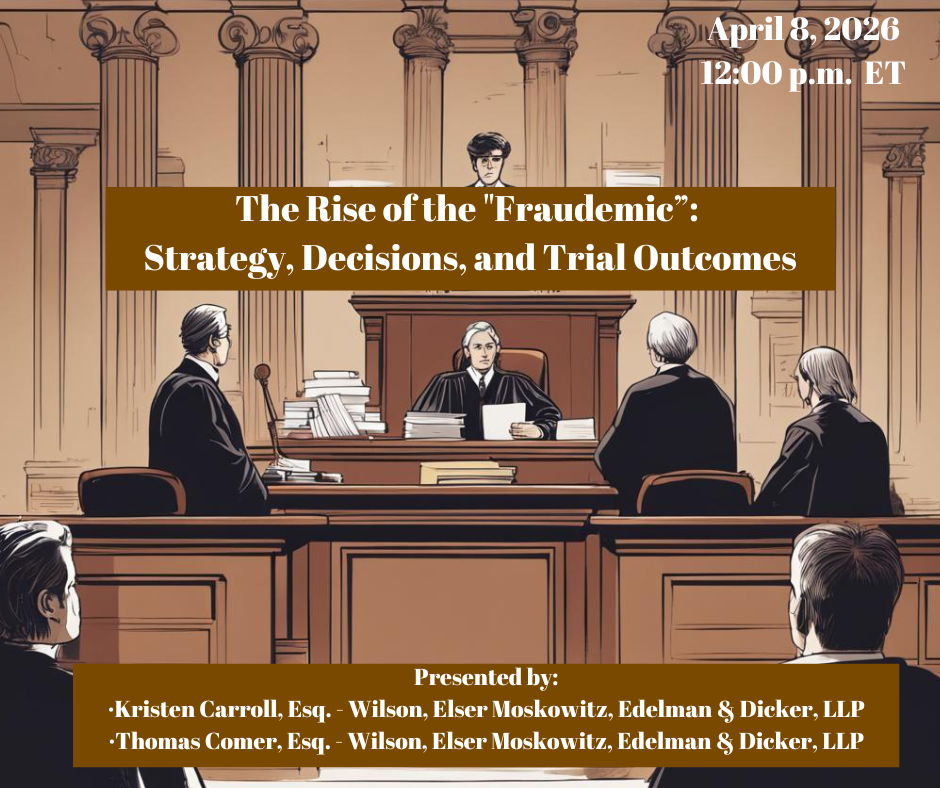
The filing of multiple RICO complaints in federal courts in New York State against plaintiffs’...
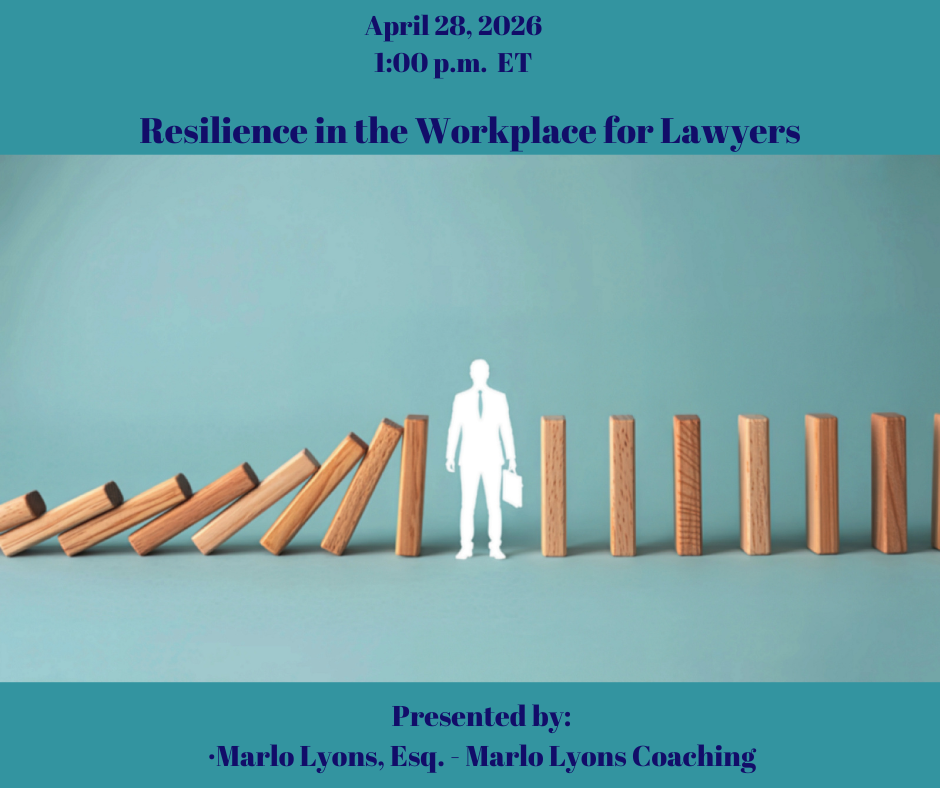
Resilience in the Workplace, delves into the critical importance of resilience in navigating the cha...
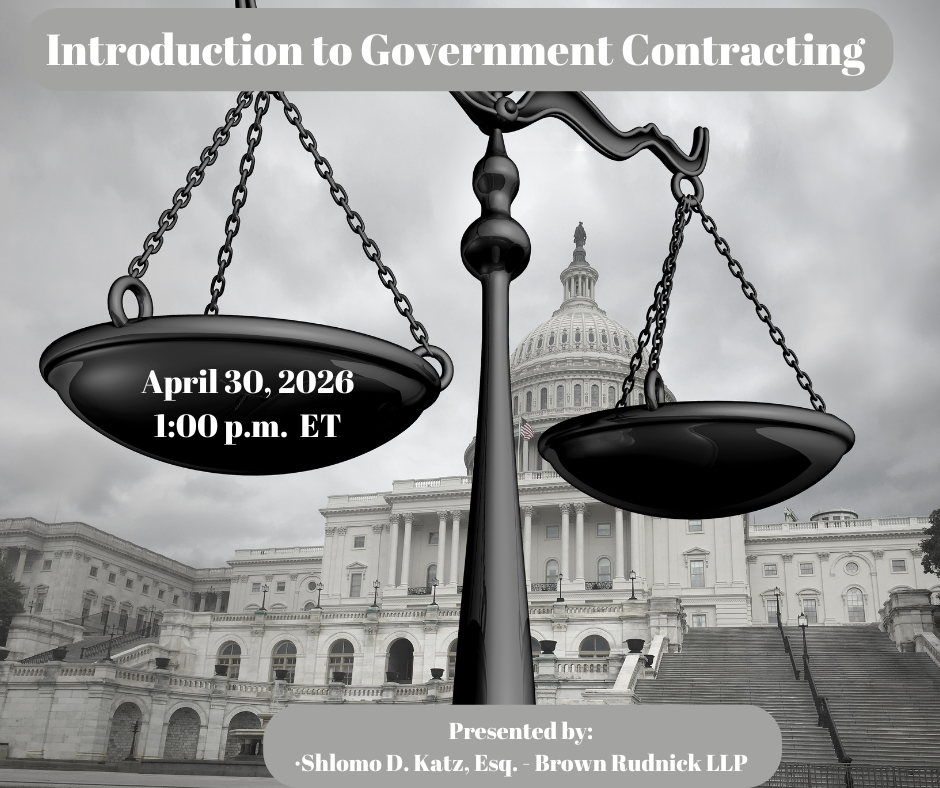
Contracting with the Federal Government is not like a business deal between two companies or a contr...
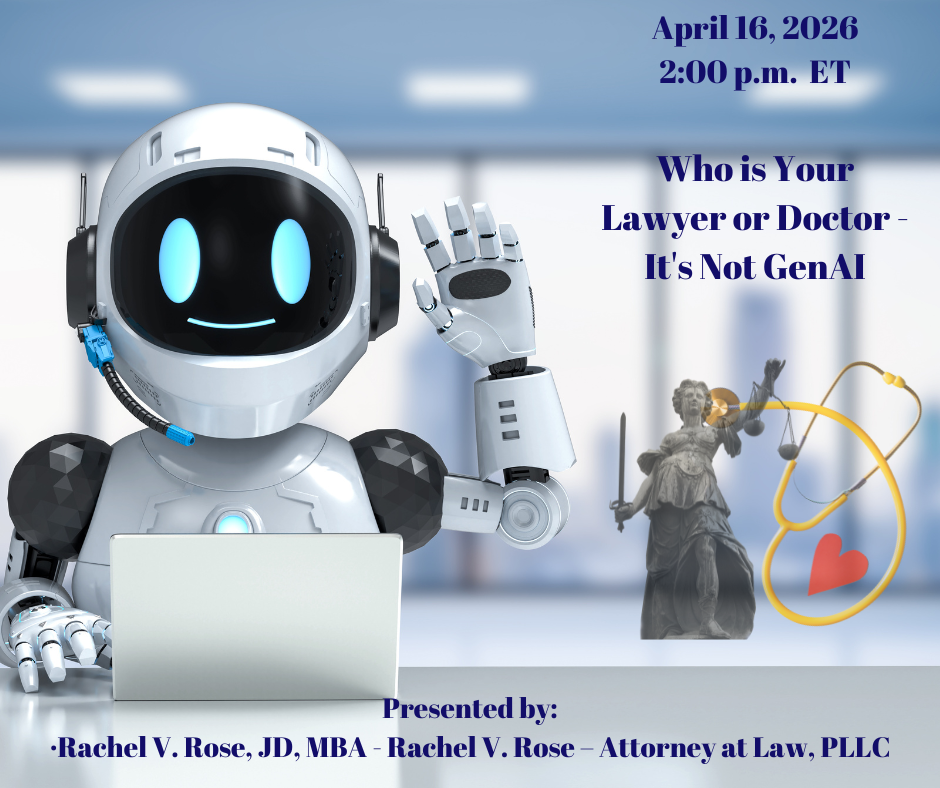
Recent court opinions, a lawsuit against OpenAI Foundation and OpenAI Group PBC aka ChatGPT for the ...
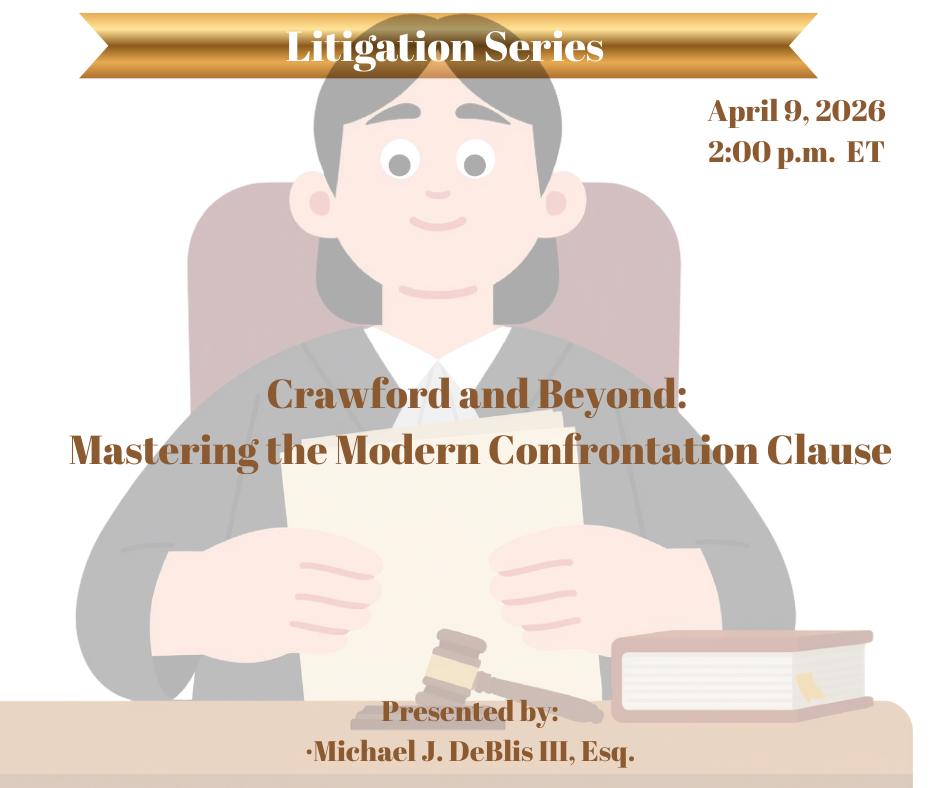
This program provides a comprehensive analysis of the Sixth Amendment Confrontation Clause as reshap...
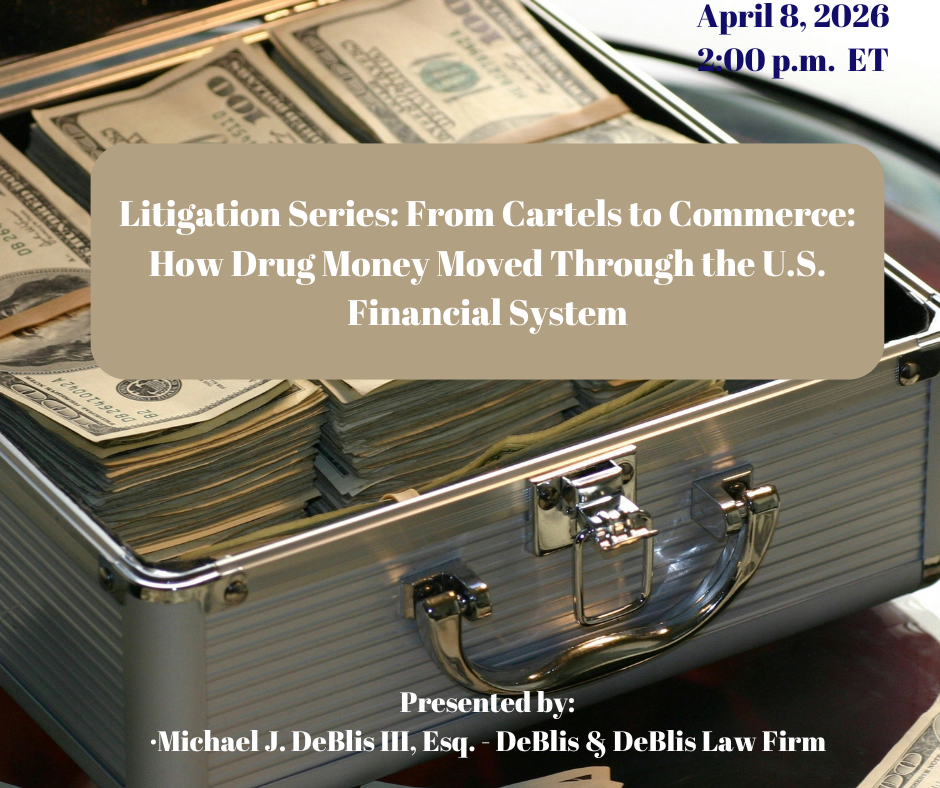
This program provides a detailed examination of the Black Market Peso Exchange (BMPE), one of the mo...
Disasters, whether natural or manmade, happen. Disasters can impact the practice of law and, among o...