
Exciting new series on “Voice, Body and Movement for Lawyers – How to connect with the jury and find Justice Through Dramatic Technique!”
Click here to find out more
This program provides an overview of e-discovery, relevant ABA Model Rules for E-Discovery (Rules 1.1, 3.3, 3.4), how to make and object to discovery requests and case law relevant to same, and possible sanctions that can arise related to e-discovery disputes and case law relevant to same.
The presentation then will cover lessons that can be learned from the case law and will conclude with an overview of social media e-discovery issues and case law relevant to same.

This program provides trial attorneys with a thorough grounding in the three principal currency repo...

Lawyers lose hundreds of billable and operational hours every year to poorly managed meetings. Unfoc...
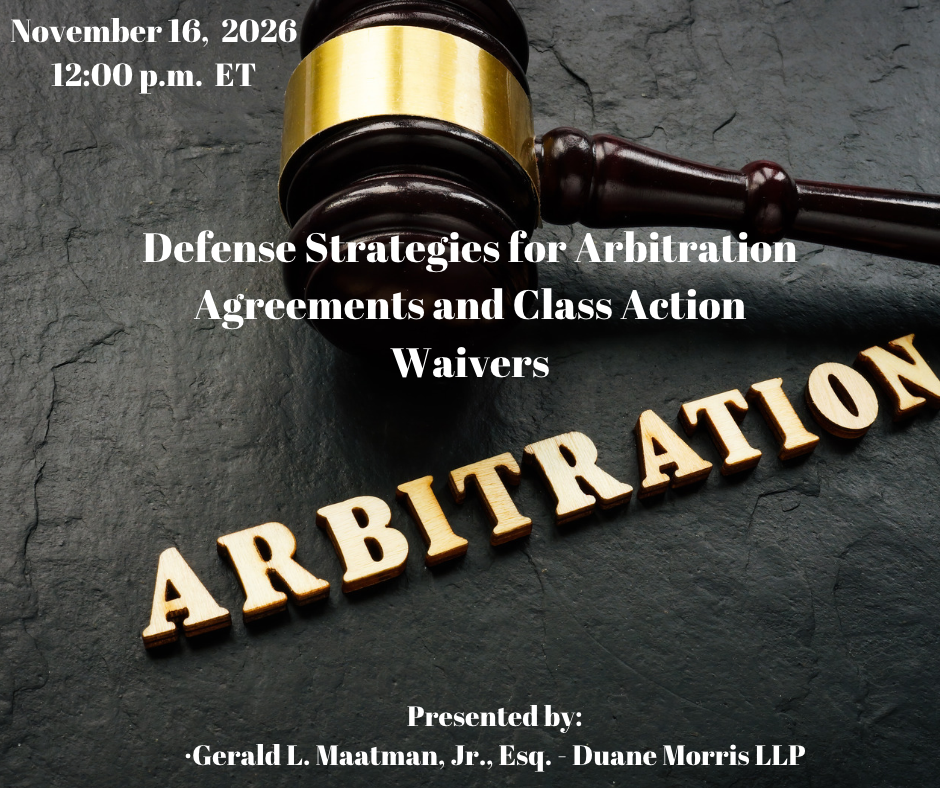
Class action waivers in arbitration agreements remain enforceable, but a decade of U.S. Supreme Cour...

This course is meant for lawyers of all levels and areas of practice, and in it, we will explore way...

Class action litigation presents significant legal and business challenges for employers and corpora...

New York City’s new Non-Primary Residence Property Surcharge—commonly known as the pied-...

Data privacy remains one of the most rapid areas of growth in the class action space. Plaintiffs con...

As the largest purchaser of goods and services in the world, the United States Government requires f...

This program provides a practical roadmap to mastering every stage of the discovery process in civil...

During this course you will take a deep dive into federal bid protest litigation at the U.S. Court o...