
Exciting new series on “Voice, Body and Movement for Lawyers – How to connect with the jury and find Justice Through Dramatic Technique!”
Click here to find out more
As artificial intelligence (AI) technologies continue to evolve, including large language models (LLMs) and multimodal LLMs, the global regulatory and legislative landscape is trying to keep pace.
During this program, the presenter will delve into the European Union’s monumental AI Act and the White House’s AI Executive Order. Specifically, the program will focus on the impact of the EU AI Act on U.S. organizations as well as the practical effects of the AI Executive Order and the OMB’s implementation memorandum establishing requirements and guidance for AI governance. The program will conclude with key takeaways and best practices for compliance planning and mitigating potential risks.
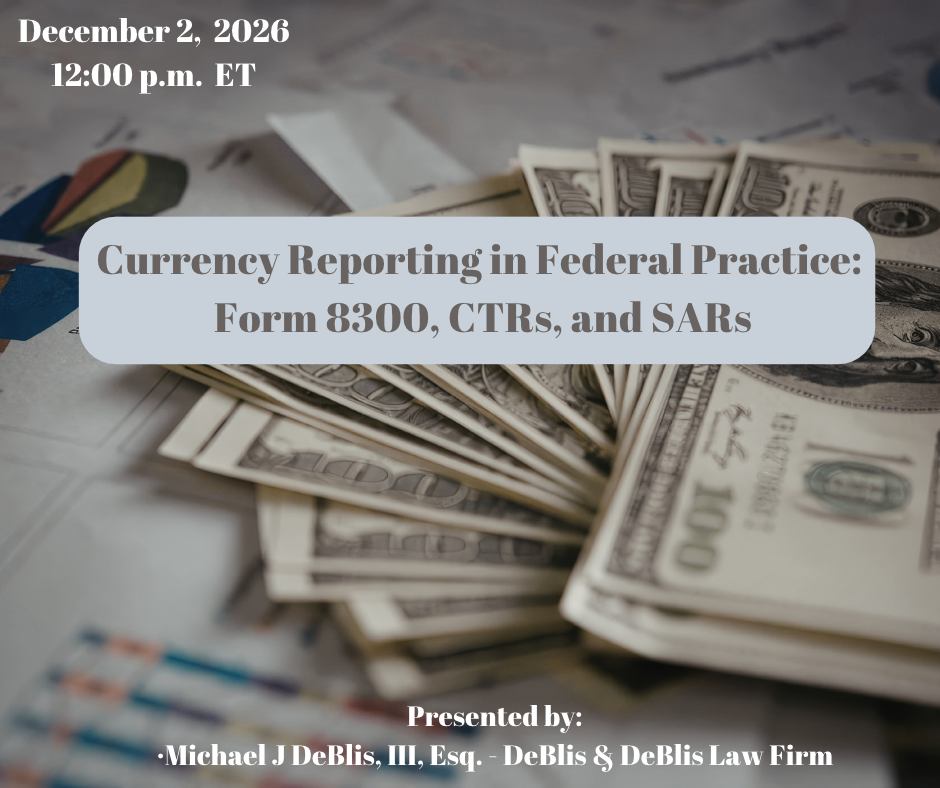
This program provides trial attorneys with a thorough grounding in the three principal currency repo...

New York City’s new Non-Primary Residence Property Surcharge—commonly known as the pied-...

Turn decades of client relationships into lasting equity. This practical CLE shows attorneys how to ...

I was wrongfully separated from the military and I will get no military pay and disability retiremen...
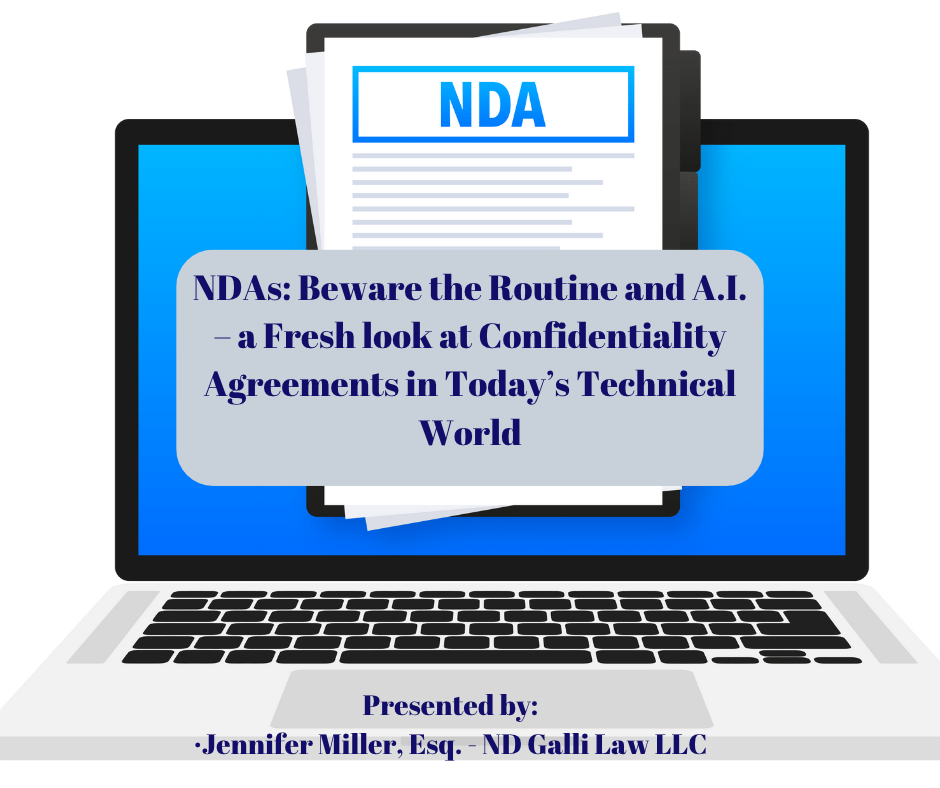
Confidentiality Agreements (also called NDAs) are too often treated as routine. So routine, th...

During this course you will take a deep dive into federal bid protest litigation at the U.S. Court o...

The practice of law places legal professionals under extraordinary and often chronic stress, making ...
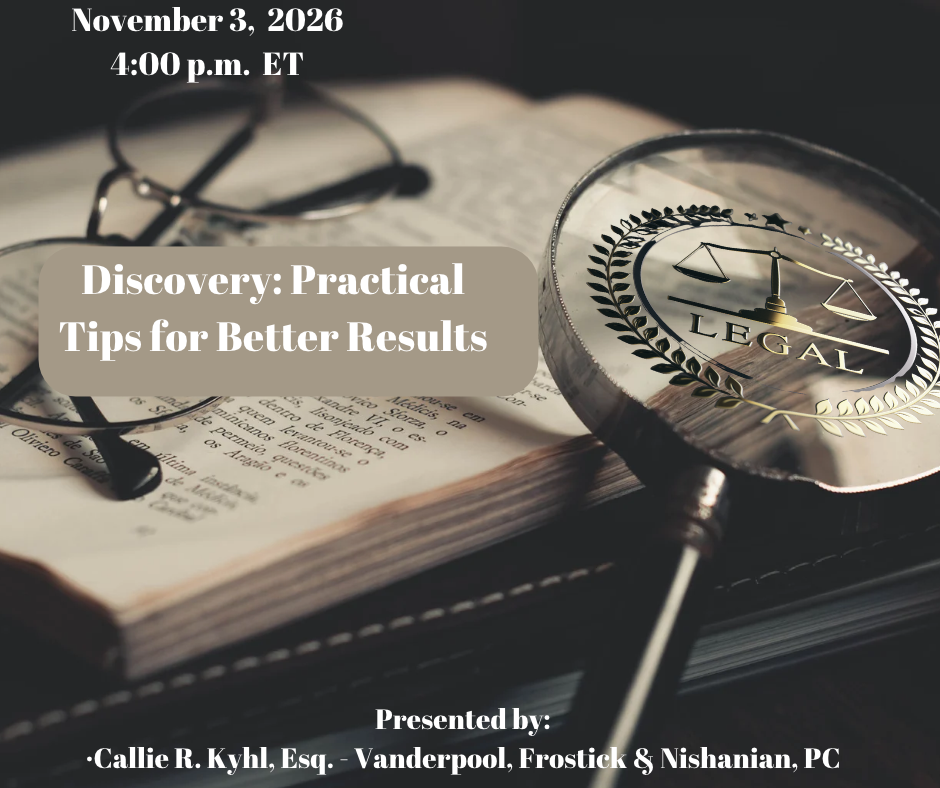
This program provides a practical roadmap to mastering every stage of the discovery process in civil...
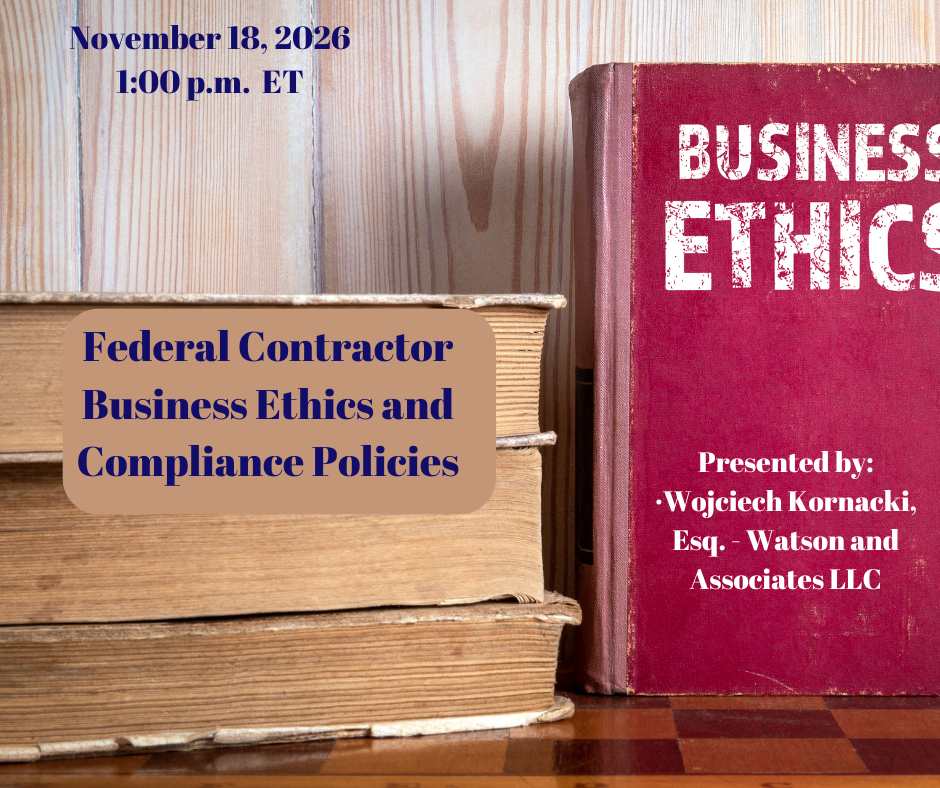
As the largest purchaser of goods and services in the world, the United States Government requires f...
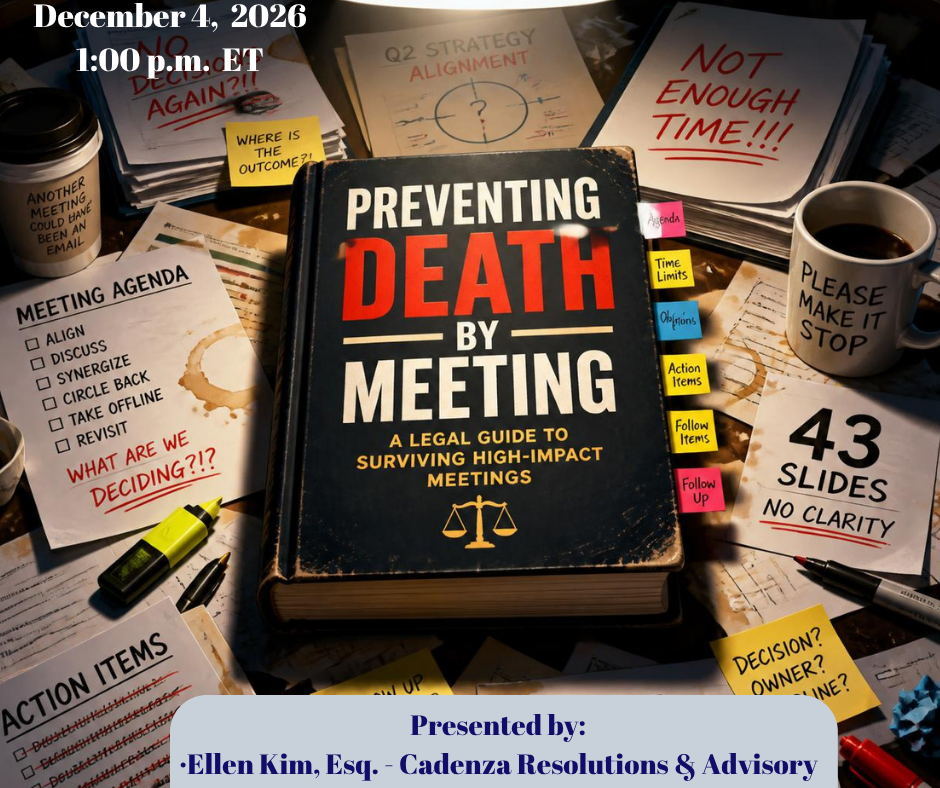
Lawyers lose hundreds of billable and operational hours every year to poorly managed meetings. Unfoc...