
Exciting new series on “Voice, Body and Movement for Lawyers – How to connect with the jury and find Justice Through Dramatic Technique!”
Click here to find out more
Electronic surveillance is one of the most important foreign intelligence collection tools available to the U.S. government. Correspondingly, the ability to surveil constitutes one of those activities most susceptible to abuse by a government against its citizens. In the U.S., the government’s use of electronic surveillance is highly regulated and can be conducted for only two purposes: law enforcement, which is undertaken by both federal and state governments; and foreign intelligence collection, which is an exclusively federal government function conducted pursuant to a single authority - the Foreign Intelligence Surveillance Act or “FISA.”
FISA governs not only electronic surveillance but the use of physical searches, pen registers, trap and trace devices, and business records collection to acquire foreign intelligence in the United States. It permits surveillance and other intrusive activities in the United States both with, and in limited circumstances, without a warrant. It covers virtually every major intelligence collection effort used by the United States, and constitutes the most important intelligence authority available in the war against terror.
This course covers the history of electronic surveillance conducted in the United States for national security purposes, and will tell you everything you didn’t know about FISA which is ever more frequently in the news. It may, or may not, change your mind set about FISA but it will almost certainly leave you better informed about the framework under which electronic surveillance is conducted for national security purposes.
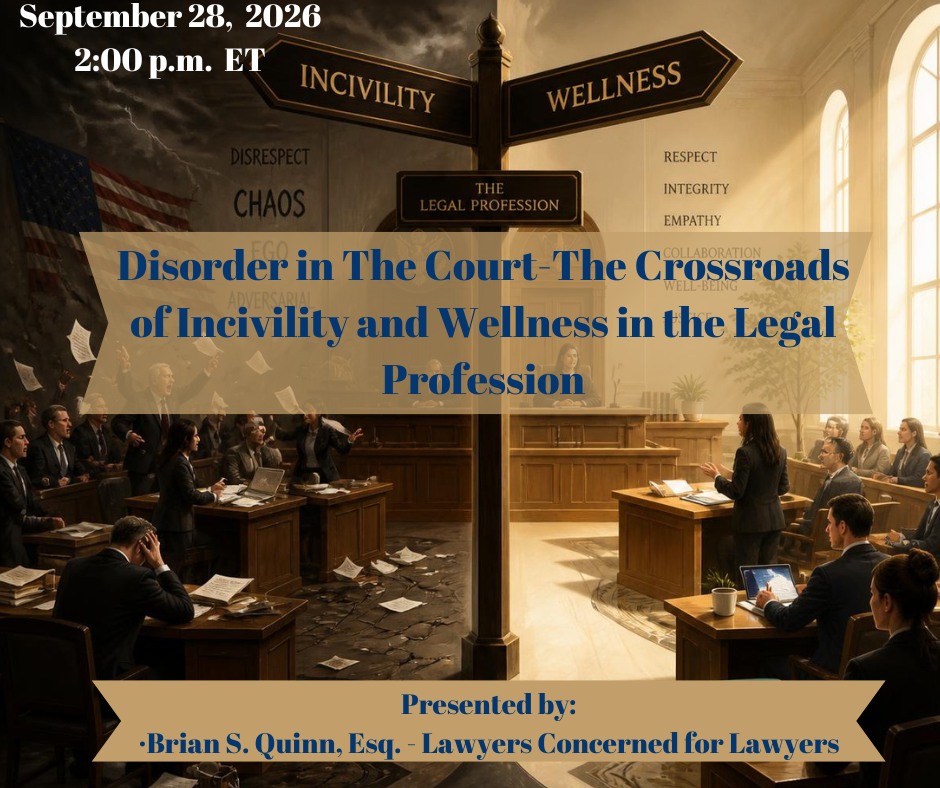
Abrasive or burned out? Overworked or uncivil? Zealous advocate or bully? The legal profession is c...
This program provides a practical roadmap to mastering every stage of the discovery process in civil...
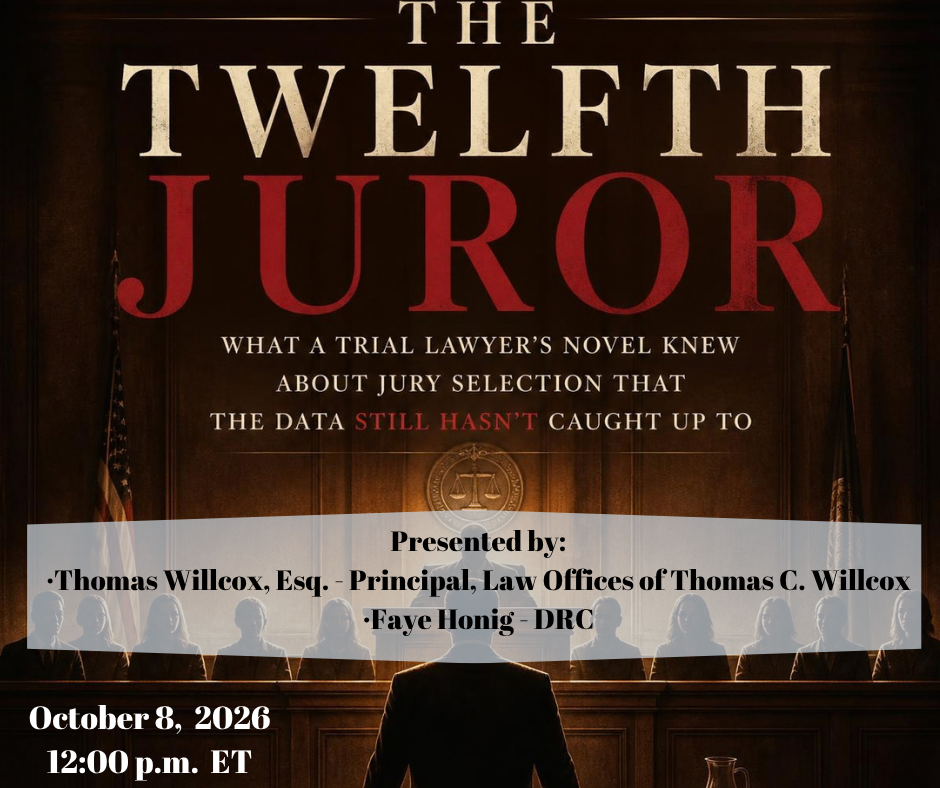
The Twelfth Juror: Lessons on Jury Selection from a Trial Lawyer’s Novel and a Trial Consultan...

"Artificial Intelligence and the Practice of Law" (updated through 2026), is a 50-slide primer desig...
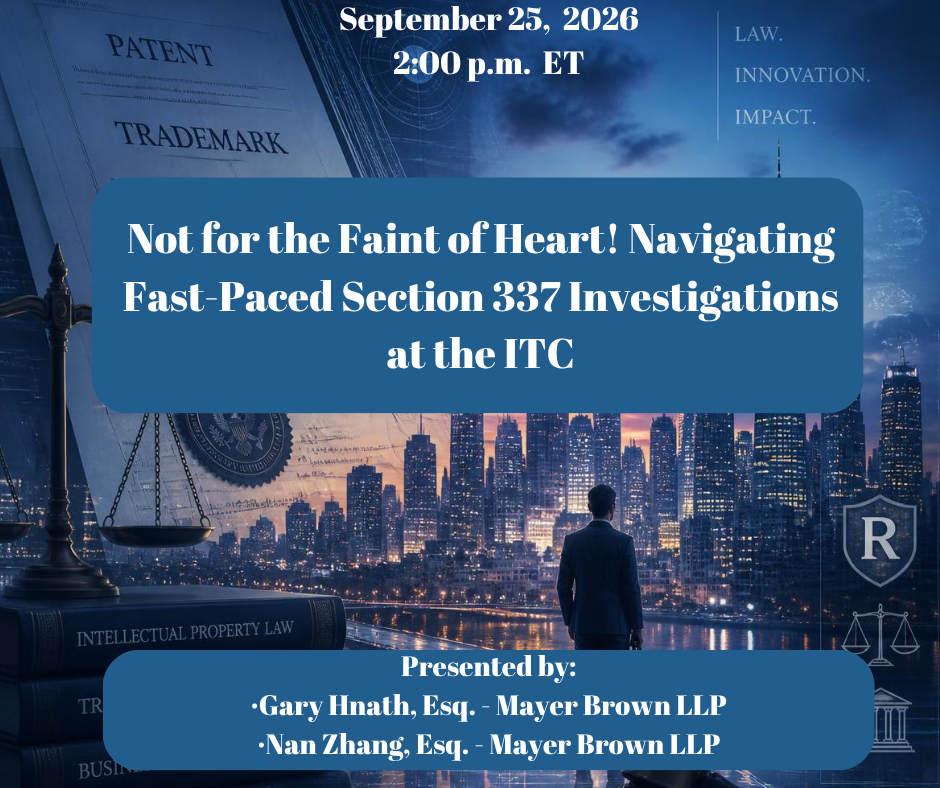
Section 337 provides powerful, efficient and rapid remedies for a wide range of unfair methods of co...
Adverse and derogatory information often has devastating effects on a contractor's ability to win co...
As the largest purchaser of goods and services in the world, the United States Government requires f...

Perfectionism is often rewarded in the legal profession. It drives attention to detail, thorough pre...
This course examines the latest legal and compliance developments in the artificial intelligence (AI...
This course on trade secrets litigation provides real-world best practices through all key stages of...