
Exciting new series on “Voice, Body and Movement for Lawyers – How to connect with the jury and find Justice Through Dramatic Technique!”
Click here to find out more
Last year, the DOJ issued new or revised policies that impact Foreign Corrupt Practices Act (FCPA) prosecutions and expectations for corporate compliance programs. These policies include a new Safe Harbor Policy for voluntary self-disclosures made in connection with mergers and acquisitions, a three-year Compensation Incentives and Clawbacks Pilot Program, updated guidance on the Evaluation of Corporate Compliance Programs, and a Revised Memorandum on Selection of Monitors in Criminal Division Matters.
In this presentation, we’ll discuss some of the most important takeaways for companies to consider as they investigate potential FCPA violations, consider potential disclosure or cooperation with authorities, and review the effectiveness of their compliance programs, including:
• M&A-related safe harbor expectations, the DOJ’s policy on corporate management of personal devices and third-party apps, expectations for compensation programs (including compensation clawbacks), and cooperation standards for companies under investigation.
• Provide practical ways for companies to address the changing landscape of DOJ guidance.
• Discuss best practices in compliance program development.
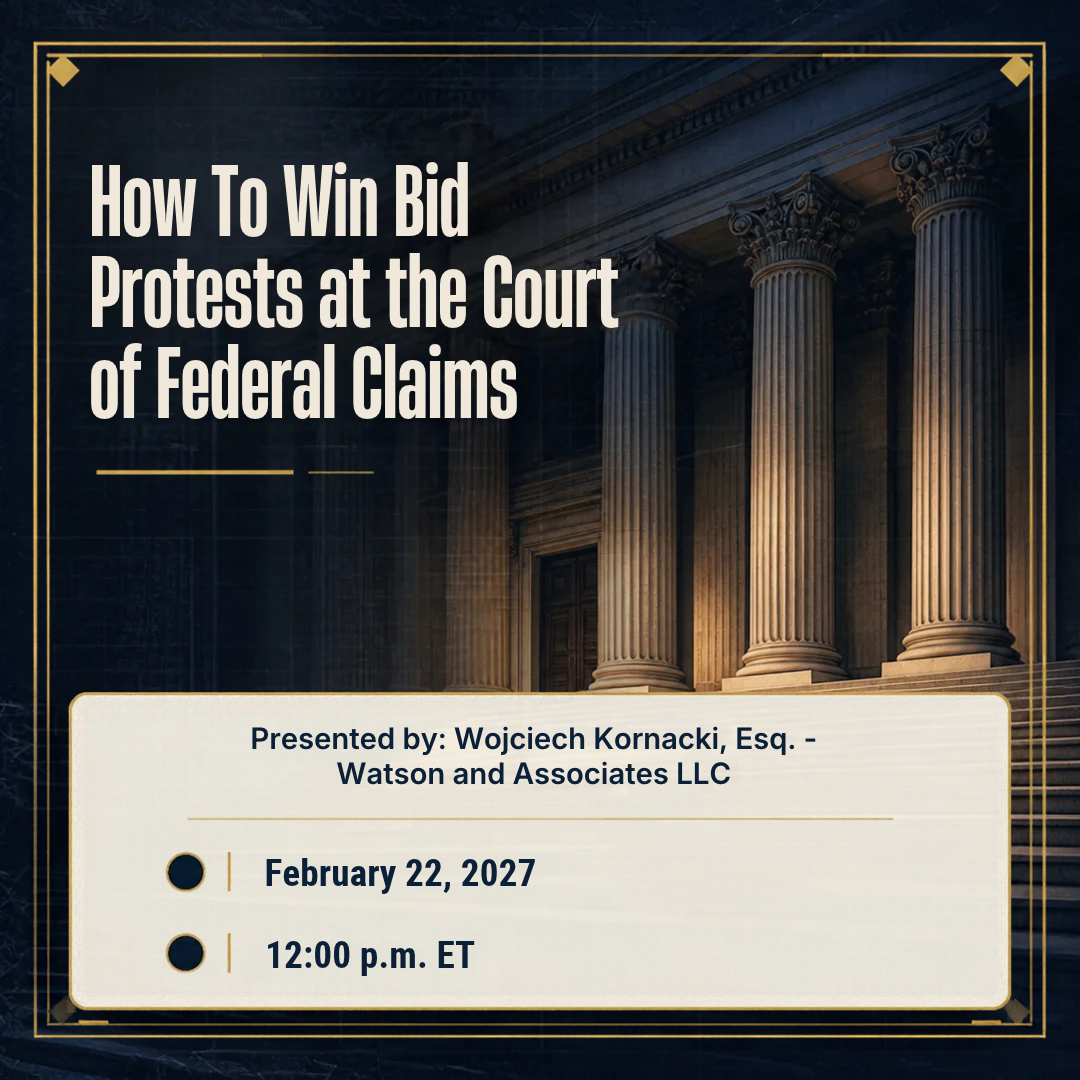
During this course you will take a deep dive into federal bid protest litigation at the U.S. Court o...
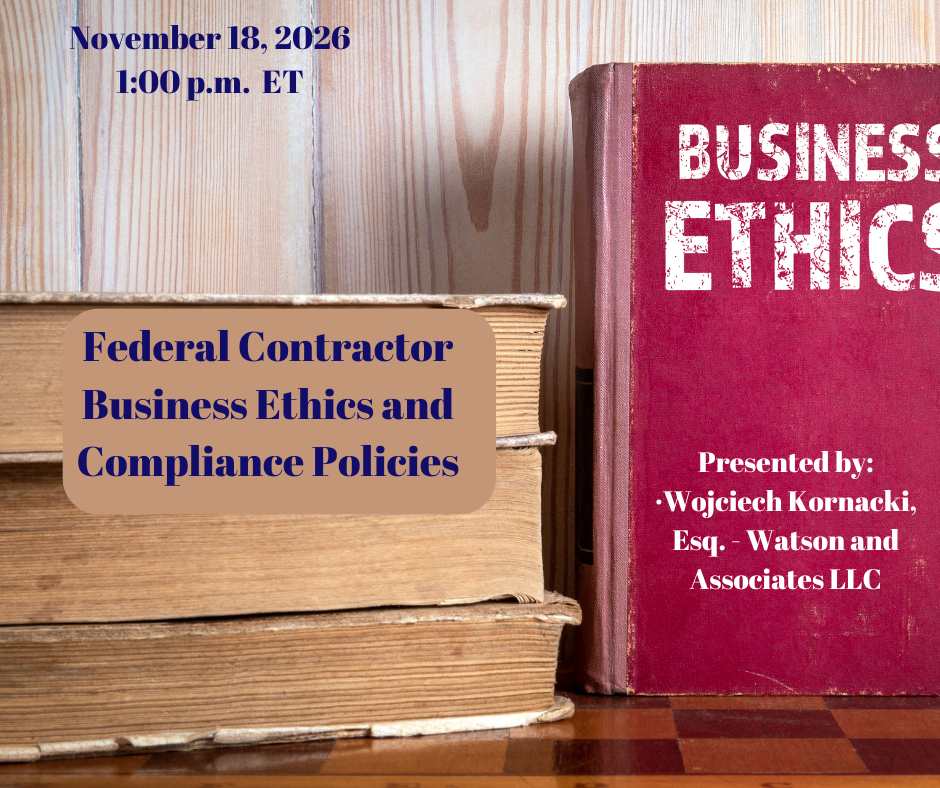
As the largest purchaser of goods and services in the world, the United States Government requires f...
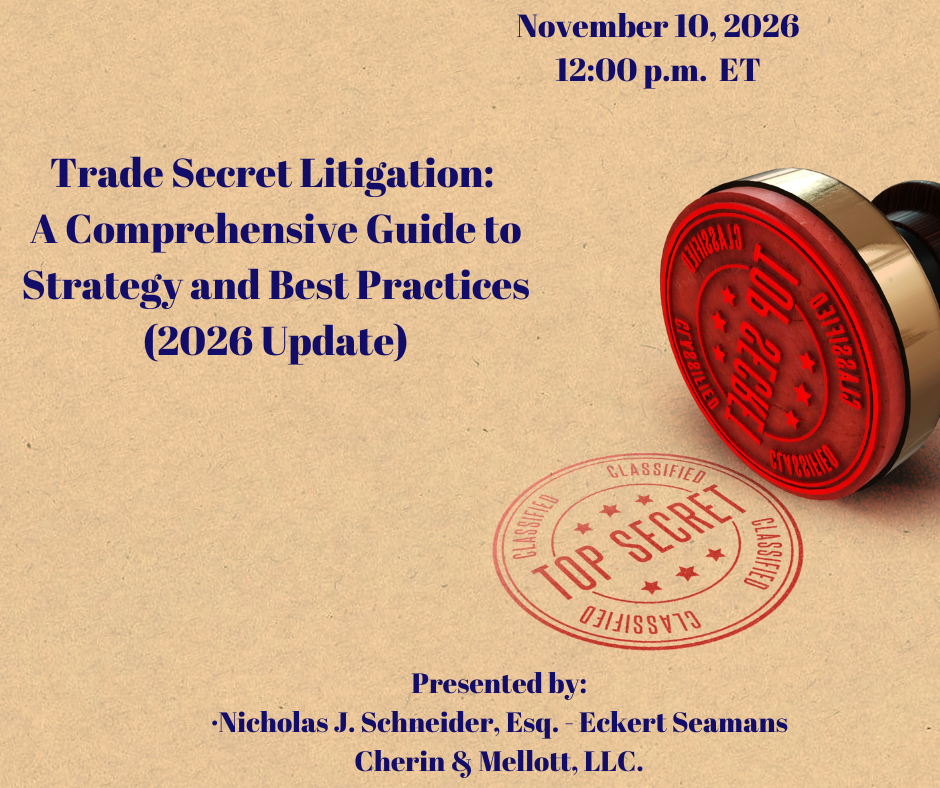
This course on trade secrets litigation provides real-world best practices through all key stages of...

This course is meant for lawyers of all levels and areas of practice, and in it, we will explore way...
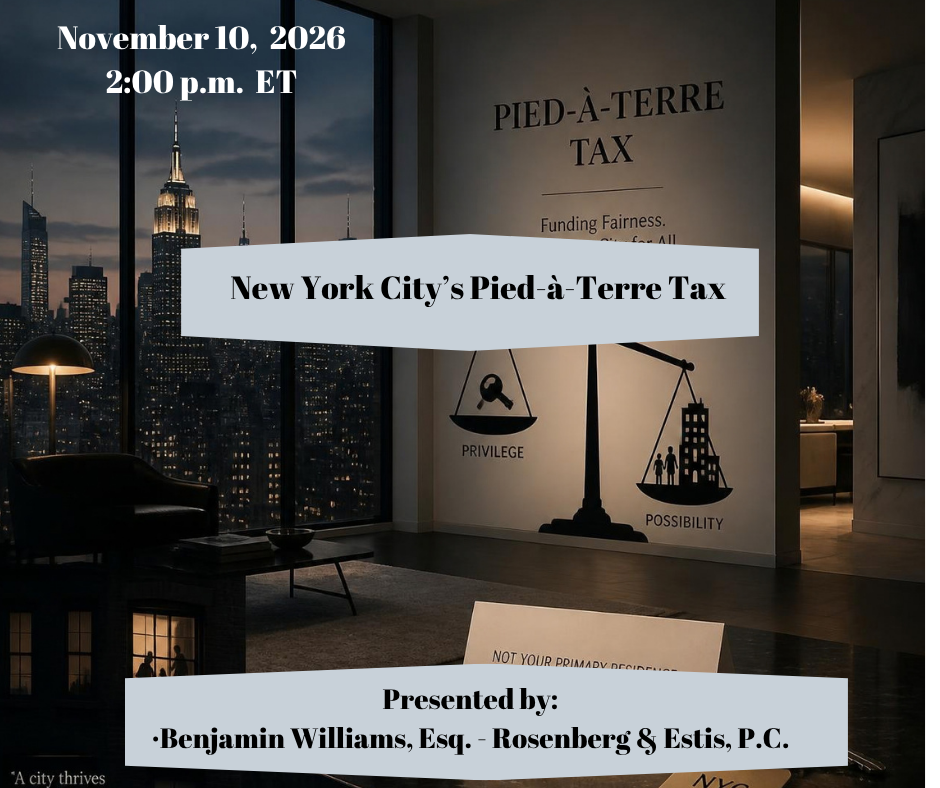
New York City’s new Non-Primary Residence Property Surcharge—commonly known as the pied-...
2026 was a very important year when it comes to federal procurement developments, Artificial Intelli...
This seminar concerns a scope, jurisdiction, and exceptions to the Federal Arbitration Act. The Act ...
This program provides a practical roadmap to mastering every stage of the discovery process in civil...
I was wrongfully separated from the military and I will get no military pay and disability retiremen...

The practice of law places legal professionals under extraordinary and often chronic stress, making ...